
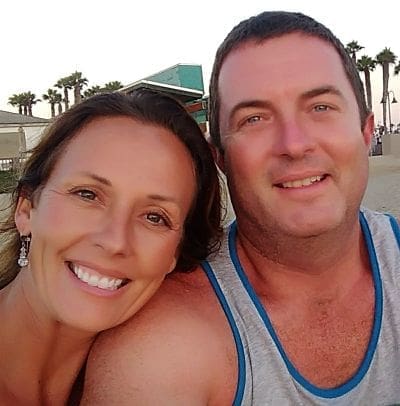
 What would cause a sitting Mormon bishop and his wife to lose their testimonies while he is serving as bishop – leading him to resign as bishop? Jeanne and Jason’s story is another in a series of episodes where we interview past Mormon bishops.
The two describe raising their four children in the church, their varied callings, and how inextricable Mormonism was in their marriage and worldview. Jason’s first call to a bishopric was not one he felt ready or spiritual enough for. Moved by the words of President Hinckley to “Forget yourself and go to work,” he accepted and immediately went to work. “He was a good bishop,” affirms Jeanne. Jason “upped his ‘spiritual game’” by eliminating hard rock from his music collection. Jeanne and their children made similar steps to fit the mold.
Once called as Bishop, Jason began reading the LDS Gospel Topics Essays, beginning with “Race and the Priesthood,” which caused him to reflect on 2 Nephi Chapter 5 as well as his own experience teaching individuals in New Zealand. “It shook my confidence in the scriptures. It never occurred to me that prophets could be wrong…in ways that affect people’s lives.” These essays served as the beginning of a series of events that eroded Jason’s testimony.
Jason was further shaken by being invited to interview as a candidate for Stake President, causing him to wonder if such callings were really the result of inspiration or perhaps the leadership were just ordinary people doing the best they could. Expressing these concerns to Jeanne caused her grief, wondering how her husband could still be a good in person if he left the church.
Around this time, Jason found Mormon Stories Podcast, which helped him learn more about challenging issues in the church. Issues for Jason began to mount as he learned about individuals who questioned doctrine and did not receive sufficient answers. Jason goes on to describe what it’s like to remain a Bishop after losing confidence in fellow priesthood leaders. As both of their testimonies crumbled, Jeanne and Jason describe being “heartbroken.”
What does this bishop do as he, his wife, and his family lose their testimonies?
Join us now on Mormon Stories Podcast to hear the full story. You will not find more sensitive and thoughtful people than Jeanne and Jason Booth.
Part 1 – A Faithful Couple Meets and Begins a Faithful Family: This transcript is machine-generated and lightly edited for readability. The audio is authoritative. Please excuse occasional errors in names and spelling. Jason Booth [00:00:00] Sam. John Dehlin [00:00:31] Hello, everyone, and welcome to another edition of Mormon Stories podcast. I'm your host, John Dehlin. It is August 14, 2018, and today we have a very exciting episode for you. Well, one thing I've been noticing on the Internet as of late is this increase or rash of, of Mormon bishops who lose their faith while they're bishop. John Dehlin [00:00:59] We interviewed David Eccles Hardy recently. That was a really powerful story. And I've got several former Mormon bishops lined up because it's just, it's a real curiosity as to how someone can, you know, a bishop and his wife potentially can lose their collective mutual faiths while serving in that calling. John Dehlin [00:01:25] So that's what today is going to be about. Today we have with us Jeanne and Jason Booth. They currently live in Syracuse, Utah. That's where they served and were living when Jason and eventually Jeanne also had their faith crisis. Another thing that we've heard from you as listeners is you just like to hear stories, not necessarily of celebrities, but, but of just normal, average, everyday members of the church. And of course, because of their leadership colleagues in their ward, I would say they had to have been in the 95th or 98th percentile in their ward. So they're not average or regular in that sense. But this is just a family, the Booth family. John Dehlin [00:02:12] And kind of what happened as they were serving faithfully in the church and trying to do everything they could to lift up the church and their families. And so that's what today is going to be about. Just a few really super quick announcements for those who are interested. There's a couple really important events coming up in September. We are going to be going to Sweden to honor Hans and Brigitte Mattsson and the Swedish people from the Swedish Rescue for their efforts in helping all of us in Mormonism, progressive Mormonism, post Mormonism. We have some slots available if anybody wants to fly with us to Sweden to honor Hans and Birgitte. John Dehlin [00:02:53] That could be really fun just to try travel together and spend time together. So if any of you are interested in that, that's going to be in September. We're also doing a workshop in Switzerland for any of our European listeners or anyone who just wants to do a Mormon stories workshop in Switzerland. You can check out the dates and the information@mormonstories.org events. And of course, we have the Mormon Stories cruise in October to the Bahamas and Sacramento workshop in November. So if any of you are interested in those sorts of things, these events just we just had one in Idaho Falls and I got several emails from people saying that it it saved their marriage. John Dehlin [00:03:35] It was a turning point for them or for. For family members. So if you're interested, if you need help in your faith crisis, in your marriage, in your mental health, check out these events. And that's all I'll say about that. So without any further ado, Jeanne and Jason Booth, welcome to Mormon Stories podcast. Jeanne Booth [00:03:55] Thank you. Thank you for having us. Jason Booth [00:03:56] Thank you. Thank you very much. Yeah, it's exciting and scary and, I don't know. John Dehlin [00:04:02] You guys are scared A little. Jason Booth [00:04:04] We're nervous. We're nervous kind of people. John Dehlin [00:04:08] Yeah, well, we are. I can't tell you how grateful I am that you'd be willing to tell your story. It's always scary, it's always vulnerable, but it really makes a difference. These stories. Listeners can't get enough of them. I think we've probably done 30 or 40 faith transition stories, but everyone reaches an important group of people. So my heart goes out to both of you for willing to face the fear and tell your stories. Jeanne Booth [00:04:33] Thank you. Jason Booth [00:04:33] Thank you. We're excited, too. John Dehlin [00:04:35] So who was born first? Jeanne Booth [00:04:36] I was. John Dehlin [00:04:37] All right, so, Jeanne, let's start with you. Jeanne Booth [00:04:39] All right, I was. I was born in 1973 and my two very young parents. I'm the first of four children. And although both of my parents come from pioneer stock and I have polygamous ancestors and whatnot, their immediate families were inactive. And so we were inactive until I was about 8. And. And I don't know, maybe that was the time they start thinking about, what are we doing? She should be baptized. But I was. And we became active and grew up in the church and loved it. Where were you in Tooeley was 12. And then we moved to Ogden South Ogden after that and seminary. John Dehlin [00:05:36] How many siblings? Jeanne Booth [00:05:37] There's four of us altogether. The oldest of four. John Dehlin [00:05:40] And what did your parents do, work wise? Jeanne Booth [00:05:42] Let's see, my dad was. He worked at Kimberly Clark Corporation. John Dehlin [00:05:48] Is that toilet paper? Jeanne Booth [00:05:49] Yeah. John Dehlin [00:05:49] Okay. Jeanne Booth [00:05:50] Yeah, he was a mechanic on those big machines. They actually did diapers there. Oh, that's huggy diapers. John Dehlin [00:05:55] Okay. Diapers. Jason Booth [00:05:56] Yeah. Jeanne Booth [00:05:57] And different things. And my mom mostly stayed home with us. Yeah. And they. They weren't super happy. They got married young and. Yeah, it was a little rocky and ultimately divorced later, but very faithful, especially my mom. And she got us up and we did scripture study and she did her best to teach us the gospel. And I really, I really lived it. I really loved it and tried to do what was right. And, you know, in adolescence I made some mistakes, I guess. I don't know. I Was a normal teenager is my feeling now. John Dehlin [00:06:46] So you were going to say that you did seminary and. Jeanne Booth [00:06:48] Yeah, I went through all of seminary. I graduated. John Dehlin [00:06:52] And you were a believer as a teen? Jeanne Booth [00:06:54] Yes. John Dehlin [00:06:54] Talk about what the church meant for you in your life as a teenage. Jeanne Booth [00:06:59] It's who I was. I was a Mormon girl. It was my identity. My friends mostly were all Mormon. And what high school is this? Bonneville High. John Dehlin [00:07:09] Bonneville High, yeah. Jeanne Booth [00:07:10] South Ogden. And yeah, I went to camp. I loved my leaders. I loved the people in my ward who were very supportive of my family. And. Yeah. John Dehlin [00:07:26] What were some of your fondest memories of the church in your adolescence? Jeanne Booth [00:07:29] In my adolescence, well, it would be girls camp and young women's John Dehlin [00:07:37] dances. Jeanne Booth [00:07:38] Yeah, yeah. John Dehlin [00:07:40] Steak dances. Jeanne Booth [00:07:40] Love the steak dances. That was a lot of fun. Yep. And just, you know, we did. My friends and I would do goofy, fun things like ice blocking. You get an ice block and go down the. You know, just fun things. I never partied, drank, smoked, nothing like that. John Dehlin [00:08:05] So, faithful, what was your testimony built on as an adolescent? Jeanne Booth [00:08:13] I read my scriptures and. And I prayed a lot. And I think it was more built on the relationship I felt I had with my heavenly father. I did, you know, I did have a lot of shame. I didn't ever feel like I was good enough. John Dehlin [00:08:35] What were the commandments or the rules that made you feel that way? Jeanne Booth [00:08:42] Mostly around my thoughts, which as a teenager, I realize now were normal. John Dehlin [00:08:53] But back then, how did you process it? What were the. Like, how were you experiencing it at the time, your thoughts and feelings? Jeanne Booth [00:09:01] I silly to say, but I really thought that I was being influenced by Satan. John Dehlin [00:09:09] What types of thoughts? Jeanne Booth [00:09:11] Just thoughts about boys or, John Dehlin [00:09:18] like kissing boys or making out with boys or sex with boys? Like that? Jeanne Booth [00:09:22] Yeah, all that, you know, normal hormonal things. John Dehlin [00:09:28] So you liked boys? Jeanne Booth [00:09:29] I did like boys. John Dehlin [00:09:32] You still do? Jeanne Booth [00:09:34] I still do. But why I bring that up is just because it affected my adolescence. I felt that I was broken. I felt that and I wasn't. I realize now that I really wasn't. And I wasn't influenced by the devil and I was a sensitive child, and I don't think I had any more crazy thoughts than any other teenager. John Dehlin [00:10:02] And we could talk about how you look back to it now at the end, but as you were going through it, you were feeling what? Jeanne Booth [00:10:10] Broken? John Dehlin [00:10:10] Were there things that happened? Jeanne Booth [00:10:11] There was something wrong with me. John Dehlin [00:10:13] Was it because you'd start dating boys or was it just all in your mind? Talk about what experiences you had that take us through that process of thoughts and behaviors and your worthiness. Feelings of worthiness at the time. Jeanne Booth [00:10:26] Yeah, I definitely felt unworthy and worried about my salvation. And like I said, it wasn't anything overtly that was really wrong. It was just feeling some unworthiness for sure. And. And shame and a lot of shame. John Dehlin [00:10:50] How did you cope with that? How'd you manage it? What did you do to deal with those feelings and thoughts? Jeanne Booth [00:10:55] Do I prayed a lot and I read my scriptures and would you say, John Dehlin [00:11:00] please take these thoughts away from me? Jeanne Booth [00:11:02] Yes. Oh, absolutely, yes. And did see my bishop and after talking to him felt wonderful for quite a while. Well, a couple days. And then I was like, well, did you really understand how awful I am? I just probably am not going to make it to heaven. You know, I did get my patriarchal blessing when I was, you know, going through this and it. And it. And that was powerful to me because it did talk about that I was valiant in the pre existent. And because of that I chose my parents and I was super special. And there were always messages being told to my generation. Jeanne Booth [00:11:50] I felt like that we were chosen and we were super special. And so that was helpful. I thought I must have done something right, you know, so I wasn't always down on myself, but I did. But that was a part of my adolescence that I feel now, you know, shouldn't have been. And I was lucky that I had bishops who didn't probe me to, you know, with questions that could have been abusive. I was really lucky. John Dehlin [00:12:22] But you did have to repent for, I don't know, things you did on dates or whatever. Jeanne Booth [00:12:26] Yeah, yeah, I did. John Dehlin [00:12:30] And what was that like? Jeanne Booth [00:12:31] It was horrible. It was horrible. Too humiliating and. And then also felt really good, you know, because I thought that I had done something really wrong and it felt good to be able to be forgiven or feel like I was. John Dehlin [00:12:56] Yeah, beautiful. Okay. Anything else about your adolescence or. Jeanne Booth [00:13:01] Well, yeah, because of that forgiveness and feeling good, I wanted to serve a mission. I wanted to share that with everyone that they can have these peaceful good feelings that I thought the gospel brought to my life. And so I did. I served a mission in. Jason Booth [00:13:21] I remember when we were dating, you mentioned to me also about you felt kind of obligated to serve a mission because you had been forgiven. Jeanne Booth [00:13:30] Yeah, it was a big part of why I went. Yeah, it was because I felt like Heavenly Father had forgiven me and I wanted to share the gospel with other people. It meant a lot to me. John Dehlin [00:13:56] I've been told by listeners that they like it when I kind of do these little timeout kind of coaching moments. And one of the things that's occurring to me here is that sometimes organizations feel like they're most successful when they are able to implement kind of behavioral rules on their members. And the way that the church has policies and procedures around the law of chastity and morality, whatever their intent is in terms of, like, helping people live happy, healthy lives, the effect of it is, is that by prohibiting certain behaviors that are very natural, what you do is you create sort of this sense of guilt or shame that people feel emotionally. John Dehlin [00:14:42] So they feel in some ways bad about who they are, bad about themselves, and then they need a way to feel less bad. And so the church, by creating a rule around something very healthy and natural, that's a prohibition, and then generating that guilt and shame, which leads to emotional control, then the person feels like they need that help, and so they turn to the church for help and for forgiveness. And it's a way to really hook the members into faithfulness and obedience. And in your case, Jeanne, it's just very. It just is a perfect example because you. What you and Jason just said is that you served a mission as a way to sort of atone for the mistakes and the guilt and the shame. John Dehlin [00:15:26] And of course, a mission is very good for the church to have missionaries out there promoting the church. So whatever the church's intent is, and I'm not saying that they try and hurt people or try and manipulate or control people, but the net effect is it's a very effective tool by controlling behavior and your emotions to make you very committed and devoted to the church. Jeanne Booth [00:15:47] Absolutely. Yeah. Yep. John Dehlin [00:15:49] Yeah. So where'd you serve? Jeanne Booth [00:15:51] I served in Oakland, San Francisco area. John Dehlin [00:15:54] How was that? Jeanne Booth [00:15:55] It was. It was. It was good. I was called to the Temple visitor center, so I served part of my mission giving tours. And so people came to us. It was. It was kind of awesome. A beautiful place. Jeanne Booth [00:16:09] My mission president was super strict, and. And I, for the most part, I'm a rule follower, so it was easy for me to follow the rules. His kind of theme of his whole mission was obedience, obedience, obedience. And that was drilled into our little minds. And what else about my mission? I loved teaching people at that time. We memorized the whole six discussions. And I remember teaching people the first vision and had it memorized, you know, and it was powerful to me, and I bore testimony of it and loved Joseph Smith and teaching the first vision. Especially a couple times on my mission, we'd run into who I thought were anti Mormons, and they would say crazy things. Jeanne Booth [00:17:17] About Joseph marrying young women and other men's wives. And I just, you know, wrote that off as lies. I've been through seminary. I been to church for 20 years. I had never heard anything like that. And they were mistaken and bore testimony. And so that happened. Jeanne Booth [00:17:48] Something that should have bothered me on my mission that I'm ashamed to say didn't, was my missions president used to counsel us a lot in zone conferences. Everything from, you know, how the elders should cut their hair, even when they go home, they should look like the 12. The women shouldn't dye their hair ever, Ever. You know, that's not how God. Anyways, he also told us, and we were serving in, like I said, San Francisco, that gay people were gay because they were abused as children. And I'm ashamed to say I believed that for a long time. John Dehlin [00:18:29] And, yeah, why does that make you sad? Jeanne Booth [00:18:34] That makes me sad because it's so not true. And at the time, I didn't know of any gay people that I knew. And so it was easy for me to just believe what my mission president had said. And, yeah, I feel bad about that now because we do know some. We had gay neighbors, a lesbian couple, wonderful people. And I just don't believe that now. John Dehlin [00:19:10] Did you run into gay people on your mission? Jeanne Booth [00:19:12] I didn't. That I knew of. But also, the mission president said if we did, we weren't to teach them, which is kind of crappy, too, right? What else? John Dehlin [00:19:30] Did you run into Carolyn Pearson on your mission? You did? Jeanne Booth [00:19:33] I did into her. What? I did. John Dehlin [00:19:35] Walnut Creek. Jeanne Booth [00:19:36] Yes, I was in Walnut Creek, and I didn't know who she was, but my companion did, and she invited us in, and I didn't know who this lady was. I didn't even realize she was a member at first. She was asking us all kinds of questions about our mission president, who was kind of controversial. He was so strict and bold. And she asked us about how we felt as sister missionaries compared to the elders. And all these crazy questions that made me uncomfortable at first, but, yeah. John Dehlin [00:20:12] Were you in reward? Jeanne Booth [00:20:14] Huh? She taught Relief Society at the time. Amazing lessons. John Dehlin [00:20:20] What year would that have been? Jeanne Booth [00:20:21] 95, I'd say. John Dehlin [00:20:25] Did you have any idea who she was? Jeanne Booth [00:20:27] I didn't. But like I said, my companion was like, Carolyn Pearson, the playwright. You know, she knew and I didn't. But since have listened to every podcast and read her books, her no More Goodbyes. John Dehlin [00:20:42] And for those who haven't checked it out, Carolyn Pearson, we did an interview with her in the early Days of Mormon Stories podcast. She's been on a few times. She wrote the book Goodbye, I Love youe about her husband Gerald, who died of aids. She wrote the Ghost of Mormon Polygamy. We did an episode with her. But she was a real pioneer and is a real pioneer in Mormonism for poetry. She wrote My Turn on Earth. She wrote, you know, primary songs like I'll Walk with youh. She's just a legend and a poet. And I like. I think of her as kind of our Maya Angelou, although some don't like that comparison. But she's her own person. But I only say that to try and communicate how special she is anyway. All right, so anything else about your mission? Jason Booth [00:21:32] Excuse me. Jeanne Booth [00:21:32] No, I think that's it. John Dehlin [00:21:34] All right. All right, Jason, it's your turn. Jason Booth [00:21:40] I've had a great life. I was born in Arizona. When I was one, we moved to Idaho, and my father and his father. Excuse me, sorry. Bought a dairy farm up in Thatcher, Idaho, and we lived on that farm. I grew up until I was about 10 or 11 on that farm. Great place. Jason Booth [00:22:03] Our nearest neighbors were a quarter mile away. And so great place for a kid. I could just wander around with my brothers and sisters. There were four of us. I have an older brother than me, then my sister and my younger brother. Jason Booth [00:22:17] Faithful parents. My dad was faithful. I think from the moment he was born till the moment he passed away. He just was a faithful, devoted member of the church. Loved the church, loved the gospel. My mom was a convert. She. My dad met my dad and joined the church. Jason Booth [00:22:42] They taught us. Taught us the gospel the best they could and did a great job. I grew up with the Book of Mormon reader and the Old Testament reader, those kind of study guides on tape. John Dehlin [00:22:57] Sorry, there's water if you want. Jason Booth [00:22:59] Yeah. And I remember listening to those over and over. I loved the stories. I loved. I just loved them, the faithful stories. Everybody I knew in that area was lds. That was just my world. Right. I mean, we talked about church things at school, at church, everywhere. That was just what we did. When I was 10 or 11, we moved to Syracuse, and my dad, the dairy farm industry in that area kind of had some struggles. And so my dad had previously to being a farmer. He had gone to BYU and had a mechanical engineering degree. And so he kind of fell back on engineering and got a job with the Air Force at Air Force Base. And it moved our family to Syracuse. And. Grew up there. Yeah. John Dehlin [00:24:10] How many siblings? Jason Booth [00:24:11] There's four. So older brother, then myself, my younger sister and my younger brother. John Dehlin [00:24:16] And what did the church mean? To your family. What were some of the family activities you guys would do as Mormons? Jason Booth [00:24:23] I remember my parents always had callings. I remember, I remember dad being the clerk and my mom being in Young Women's. We did family home evenings sporadically, not every Monday night, but we did them. It's interesting. My parents were very faithful, but it all had different effects on the kids. I guess. Jason Booth [00:24:45] I was a lot like my dad and I just, I just believed from when I was little, my whole life, I just, it just, I don't know if it's because I just trusted my parents so much or everyone around me. I just soaked it up and I always knew that I had a heavenly father and that I was special to him. Jason Booth [00:25:06] My older brother didn't believe, you know, my parents, I remember them telling me when he was about 6, he came home from church and said, I'm not going on a mission and, and just didn't believe. And talking to him later, it just never resonated with him. He just never believed, just didn't. John Dehlin [00:25:30] How did you view him as a youth? Jason Booth [00:25:33] As a teen, when I was younger, he was just my brother and he was cooler because he was five years older than me and I. We got along great as I got older and I developed more of a testimony. Jason Booth [00:25:48] I worried about him. I worried about him not making it to heaven with the rest of us. I mean, not to say that I thought I was going to make it for sure, but I believed strongly and I thought if I follow these rules, which I completely agree with, then I'll make it. And, and I spent a lot of time worrying about my brother. And as I got older that got worse. And as I went on a mission and came home and then had more serious conversations with him, I remember as like, you know, 21 year old man crying myself to sleep at night because some of my family wasn't going to, Wasn't going to make it. I took it serious. It broke my heart. John Dehlin [00:26:49] So what did the church mean to you in your teen years? What were your favorite activities or things to be involved with? Jason Booth [00:26:55] I love scouts. I'm an Eagle Scout. I love scout camps. I, I took the church pretty seriously. You know, I was still a teenager though, and. A lot of my friends weren't active members. But just deep inside I just knew my life was kind of planned out. I knew, live this way, go on a mission, come home, get married, go to college. Jason Booth [00:27:29] These are the steps to a happy life. And it had worked for my parents and I just knew that's what I should do. And I was kind of. I had. In my ward, there were a group of boys older than me, and then there was a kind of a gap. And then there was me and a couple of my friends, and then there's a large group of boys younger than me. And so going up through deacons, quorum, teachers, quorum, priests, quorum. Jason Booth [00:27:54] I ended up being the president of the deacons quorum and then the president of the teacher's quorum and then the assistant to the bishop and all those things. And kind of it worked out because of my age there. But I kind of thought, well, you know, maybe I'm special, maybe I'm faithful. And I tried to be. Jason Booth [00:28:12] You know, same kind of struggles of feeling guilty for impure thoughts and trying to sing hymns to keep myself worthy and doing what I should. I always. Yeah, I just knew the church was true. I knew all the stories. Jason Booth [00:28:38] I think it's because I read all those Book of Mormon readers and the Old Testament readers so much that I'd go to Sunday school and I could answer all the questions because the teacher would ask about stories. And I knew them. And so, you know, I think they thought I was really faithful or I just knew the stories. John Dehlin [00:28:54] But did you have any heroes, any favorite stories? Jason Booth [00:28:57] Ammon. Ammon, the Story of Ammon. I loved it. You know. John Dehlin [00:28:59] What about it? Jason Booth [00:29:01] Just that I loved. I read a lot as a kid, and I loved kind of fantasy novels and things and this kind of fit into that, you know, this amazing story of this faithful man who loved people so much he wanted to go teach the gospel to his enemies. And, you know, there's a little bit of excitement in there when he cuts off the arms of the robbers who are coming to scatter the sheep. But he's doing it for the glory of God. He's not a boastful guy. And then he wins over King Lamoni by continuing to serve him. And throughout my mission, I went to New Zealand on a mission. Jason Booth [00:29:44] And early in my mission, I can't remember who gave the talk. In General Conference, there was a talk about using Ammon as an example as a missionary, and talked about five ways to be a true friend with the Ammon set. And that really resonated with me because I loved that story. And we shared that with countless people. That was just one of our standard. Jason Booth [00:30:06] And I don't mean the mission, but just my companion. I just. We just shared that with people because it. It meant so much to me and it seemed to be a great message how to be a Friend, you know, just love people regardless. Love your enemies, love people who may not love you and, and serve people and, and I think serving other people was one of the things I learned as a teenager too. Our ward was really great at going over and helping out people who are struggling, mowing their lawns or, you know, sometimes the weeds were, excuse me. Jason Booth [00:30:45] I remember being in someone's backyard, I don't know who, but with a weed whacker trying to cut down 3 foot high grass and feeling really good about it, that we're helping people who are struggling. And, and so service really kind of won me over to the gospel. When I served people, I felt good and it just made me feel like I was doing the right thing. John Dehlin [00:31:11] Anything else about your mission you want to mention that was important in your story? Jason Booth [00:31:17] I loved my mission. I had great, great companions for the most part. You know, learned a lot. One of the lessons, one of the things that I think was so valuable as a missionary was being away from Utah, being out in the real world that I imagined and being able to see the gospel in people's lives like you're going into people's homes. And I felt like I could see a difference between the families who were living the gospel the way I thought they should and the ones that weren't. And I felt like I could see a difference in their homes that the people that were living the gospel were happy and were successful and things were going well in their lives. Jason Booth [00:32:04] And the people that weren't happy and struggling, it was probably because they weren't living the gospel. And that's really how I viewed life for a lot of my life, that if you follow these rules, commandments, your life will turn out well because God keeps his promises that, you know, the all. Jason Booth [00:32:28] There's a law irrevocably decreed in heaven, right, where when you obtain a blessing, it's by obedience to these laws of the gospel. And I believe that. And I believe that the cycle of the Book of Mormon, right? When you're living the, when you're living the commandments, God takes care of you and life goes well. And then we get prideful and things happen to us to remind us of our God and to remind us that we need to live the gospel. And you know, I even felt like there was a little pride cycle of myself on the mission, right? Jason Booth [00:33:05] I go out and I'm really humble and don't know what I'm doing and fumbling over lessons and trying to talk to people. And then later you get, you just get better. At it. And pretty soon you have some success. And I start thinking, I'm an awesome missionary. I teach these people resolving concerns. Jason Booth [00:33:32] And I had an experience where, you know, I got transferred. And then I'm finally the senior companion. And I'm kind of thinking I'm pretty great. And my companion's from Tonga, and there's a little communication barrier there. And he's new, and I'm a little arrogant. And I treated him a little poorly, like I'm in charge. And it just didn't go well. Jason Booth [00:33:59] You know, I obviously hurt his feelings and upset him. And eventually he told me he hated me. And we weren't a very good companionship for a while. And it was probably my roughest time as a missionary. But it was a good lesson for me. And so it kind of humbled me. And I tried to be better about being compassionate to my companions and everybody. And just. Jason Booth [00:34:33] And from then on, things went better, and I got new campaigns. We had success again. And I became a district leader and then a zone leader. And I had a great mission, had a lot of great companions and great experiences. And I think, yeah, I loved it. I really loved it. I felt like it prepared me for the rest of my life that I was ready to. Jason Booth [00:35:00] When I came home, I felt ready to live my life. I had these principles to live by. I was all, you know, amped up to get married. You know, that was the next step in my life to find somebody. And yeah, so, yeah, that's kind of my mission experience. It was m. Did you meet Gina Colvin? No, not that I know of. Jeanne Booth [00:35:28] Yeah. John Dehlin [00:35:29] Okay. Jason Booth [00:35:29] No. John Dehlin [00:35:31] All right. Jason Booth [00:35:32] So cool. John Dehlin [00:35:33] So you get home from your mission. Who wants to tell the story of. Well, did anything else happen with either of you before you guys kind of met that's important for your story, or is your meeting kind of the next day? Jason Booth [00:35:45] Yeah, yeah, probably. Yeah. I mean, just typical. Came home, enrolled in school, got a John Dehlin [00:35:50] job at the U. Jason Booth [00:35:52] So I started going at, to Weber State. Got my generals all the way there. And then I transferred to the University of Utah. John Dehlin [00:35:57] So, okay. Jason Booth [00:35:58] Yeah, I studying, studying engineering, mechanical engineering. That was another thing about, you know, I, I, I was very much liked the plan of my life. Right. My dad was an engineer, and it worked out great for him. And I just, I was good at math and interested in cars and mechanical stuff. And so I never really had a doubt that I was going to be an engineer and that I was going to be a missionary. And I just had this plan and followed it. I immediately enrolled in school and I went through all the semesters, summer, everything, until I was done. And just this was. You do this and this happens. John Dehlin [00:36:44] You were on plan. Jason Booth [00:36:45] I was on a plan. Yep. And. And hopefully in between there, I would find a wife and. John Dehlin [00:36:50] So how'd you guys meet? Jeanne Booth [00:36:53] Blind date? Jason Booth [00:36:54] Yeah. John Dehlin [00:36:54] At the U. Weber. Yeah, at Weber. Jeanne Booth [00:36:57] Weber. Yeah. I was working. I was going to Weber. You were going to Weber? Jason Booth [00:37:01] Yeah, I was working at RC Willie and one of the guys. One delivery drivers that I knew fairly well, but, you know, not great, but we knew each other pretty well. He just one day asked me if I'd like to go on a date with his wife's friend. And I said, sure. And I wasn't dating a ton, but I was dating and having a great time. And. Yeah, we went out on a blind date. Jeanne Booth [00:37:28] It went well. Jason Booth [00:37:29] Yeah, it went well. So we went on three dates. The first date went great, and we went out again, I think, on a Sunday. I went over and we went to a park and walked and. And then we went on another date where we went and saw Legacy. Legacy at the Joseph Smith Memorial Building. And nothing happened on the date. That was strange. But we just. It just didn't go very well. On the way home, I remember thinking, this is it. I don't think I'll date Jeanne again. And she. Jeanne Booth [00:37:58] I had some similar feelings. It was just a great date. Jason Booth [00:38:02] Yeah. So I didn't call her again. And I don't think she cared. John Dehlin [00:38:08] Some would say Legacy isn't the most romantic day. Jason Booth [00:38:10] No, but, you know, that's a good point. John Dehlin [00:38:13] It was a movie about pioneers. Right. Jeanne Booth [00:38:18] But those movies really were. John Dehlin [00:38:20] Yeah, they were important to me. Jeanne Booth [00:38:21] Right. Jason Booth [00:38:22] Yeah, they were inspiring. Jeanne Booth [00:38:23] Cried at them and. Jason Booth [00:38:24] Yeah. Jeanne Booth [00:38:25] And. Yeah. But we kept running into each other at Weber State, and then we thought, oh, my. Well, maybe you asked me out again. We. Yeah, we hang out again. Jason Booth [00:38:36] We were both at the gym, and we played a game of horse playing basketball together. And we should go out. Yeah. Jeanne Booth [00:38:46] And then after that. Jason Booth [00:38:47] Yeah. Yeah, we just. Jeanne Booth [00:38:49] We were together. Jason Booth [00:38:50] Yeah, we dated. Not, you know, not exclusively or anything for a little while, but. But something was different. I was dating other girls, but as we were dating, I don't know, I don't know what it was that something was different about Jeanne. I just. Jason Booth [00:39:11] Yeah, we just got along great after that, and we dated for a while. We took a trip to Lusk, Wyoming. I wanted to go see Mount Rushmore. This is after we were dating more seriously. And my grandparents lived in Lusk, which is a couple hours away from Mount Rushmore. And we. Jason Booth [00:39:28] I asked her, hey, I want to go see this. I've never seen it, and let's go see it. So we planned a weekend and drove all night out there and stayed with my grandparents and drove to Mount Rushmore and so foggy, we couldn't see it. So we just stood there and looked around on a little hike, came back, still foggy, and left and couldn't see it. And really connected on that trip where we kind of decided. I think that's when we decided we were just gonna date each other. Jeanne Booth [00:39:57] Date each other? Yeah. John Dehlin [00:39:58] What'd you like about Jason, Jeanne? Jeanne Booth [00:40:00] He made me laugh. And he's so honest. I knew he would be a good dad. Okay. I wasn't gonna cry in this interview. And a good husband, and he is. John Dehlin [00:40:23] So you had good instincts. Jeanne Booth [00:40:24] I totally did. And I knew that we should get married pretty early on to convince him. Jason Booth [00:40:31] Well, that's actually interesting. So after we dated seriously for a little while, I remember we're in your house, and she kind of had the talk like, hey, we gotta. Jeanne Booth [00:40:47] Well, I was 23. Jason Booth [00:40:49] That's right. She's getting pretty old. We gotta get married or we gotta decide what we're doing here. Jeanne Booth [00:40:54] And he was 24. Never got married, maybe. Jason Booth [00:40:58] And I really loved Jeanne, but I hadn't. I'd been praying about, you know, I'd grown up. I knew, oh, you pray about the person you date and all these important decisions, you should not leave God out of the equation. And so I've been praying, should I marry Jeanne? And not getting an answer. And. Jason Booth [00:41:28] I didn't receive, like, I never felt like, even though I believed and I loved my heavenly Father and I. I just never felt like I got a lot of communication from prayers. I can only think of, you know, one time before where I thought I had, and it was prior to going on a mission. I had a girl that I knew had to be my wife eventually. You know, I just loved her. And I was really worried about it before going on a mission. And I remember praying, just being really upset, and what do I do about this? And will she be there when I get back? Jason Booth [00:42:03] And having a real calming, peaceful feeling come over me that everything's going to be okay, you know, it didn't feel like it was at the time. I thought, this is. This is an answer from God. I just felt, everything's going to be fine. Just be a missionary. Go on and be a missionary. Everything will be okay. And that experience meant a lot to me. Jason Booth [00:42:24] It just confirmed to me that I was on the right track, that I'm doing the right thing, follow the plan, and everything's going to be okay. And it was. I went and had a great mission, and I was kind of waiting for something like that before proceeding in our. In our relationship. And I. And I just. Jason Booth [00:42:44] I didn't feel bad about Jeanne or anything, but I was. I just wasn't getting something to help me know that I should marry her. John Dehlin [00:42:53] It's a big decision. Jason Booth [00:42:53] It is. John Dehlin [00:42:54] And you want to make sure you're making the right one. Jason Booth [00:42:56] Yeah. And after a little while, you know, we kind of talked about how serious this is getting. I remember then it got to the point where you said to me. She knew I was kind of unsure and said to me, well, you know, if you don't feel the same way, then, you know, I don't want to. I can't remember how she put it, but, you know, I don't want to be in a relationship with someone who doesn't feel the same way with me. And I do feel the same way, but I was just so unsure. And I went home and talked to my dad about it a little bit and told him, how do you know I don't want to make a mistake here? Jason Booth [00:43:43] And it just, you know, he was just really, really great, just telling me. Sometimes you don't know. You just work it out and. And make a decision. And I did and proposed. But I almost. You know, looking back, I almost blew one of the best things in my life because I didn't get an answer. I didn't get an answer from God. And. Yeah. I just. I don't know. We're fortunate. Fortunate. So. John Dehlin [00:44:26] So what year did you get married? Jeanne Booth [00:44:28] 97. John Dehlin [00:44:29] Yep. Jason Booth [00:44:30] December 97. Jeanne Booth [00:44:31] Yeah. In the Salt Lake Temple. And life was good. We were happy. Jason Booth [00:44:37] Yeah. Jeanne Booth [00:44:38] We had our first child within a year. No, wait a year and a year Jason Booth [00:44:43] and a half or so. Jeanne Booth [00:44:44] Yeah, year. And we were pregnant within the year. Yeah. Jason Booth [00:44:47] Going to school and poor and. Jeanne Booth [00:44:49] Yep. Jason Booth [00:44:49] But happy. Just. Yeah, we're just happy. Yeah. We feel like we really lucked out. I mean, we just get along great. Jeanne Booth [00:45:02] Yeah. Jason Booth [00:45:03] I know a lot of people think their marriage is special, and, you know, we. We think. We think that, too. It's just been really, really wonderful. John Dehlin [00:45:11] So, anything about your stories, maybe just take us through the timeline of kind of. You had. You had four kids total. And you. You graduated, got a job at. Jason Booth [00:45:24] Yep. Yeah. So we. I finished up my generals at Weber State. We went to the University of Utah, lived in married student housing for a little while, had Two kids at the time. I graduated, got a job with the Air Force as an engineer on F16s. Well, I started out as a composites engineer working in composite structures. John Dehlin [00:45:52] Do they do a lot of research Jason Booth [00:45:53] at Hill Air Force Base there. There is a research group, but I. I was in a group doing maintenance, depot maintenance, so. So they'd ship the airplane parts to us. We would inspect them, repair them, or make new ones and. And ship them out. So I did that for about 13 years and then kind of needed a change and an opportunity came up in the software development group doing avionics testing. Software testing. And even though it was quite a difference from mechanical structure stuff to software, I made the change. And so now I do software testing for F16s and really enjoy my job. I really have a good job. Yeah. John Dehlin [00:46:38] And, Jeanne, what was it like raising your family in the church and living the dream? Jeanne Booth [00:46:44] It was good. It was. And I was all in. I mean, I had a lot of anxiety when we missed a family home evening or state conference. I wanted to take all the little kids to state conference. I would get up early and. And make breakfast and have them all at the table and read the Book of Mormon Reader every morning to them. Yeah, I wanted them. And I would testify to them at the end of that. And we'd pray before they went to school. I really wanted them to have a testimony of the gospel. And I knew that if they were to be happy, they needed to. To be in the gospel and to live it. Yep. So we. We did that for quite a while. And we were happy. We were happy. Amazing people. Jason Booth [00:47:39] Yeah. Well. And having four kids. So our kids. We had four kids in. In five and a half years. Our youngest. John Dehlin [00:47:45] Why'd you stop? Jason Booth [00:47:50] Why stop? John Dehlin [00:47:50] A good thing. Jason Booth [00:47:51] Well, so the first couple we planned on having that close. And then number three, when we found out, we cried. And then number four was even closer and we just laughed. And John Dehlin [00:48:04] there are things you can do. Jason Booth [00:48:08] We took more extreme measures to take care of that. But we. Yeah, but having. Jeanne Booth [00:48:11] So now we love. Jason Booth [00:48:12] Yeah. Like our. Our youngest child was born on my oldest child's first day of kindergarten. Like, I had to leave the hospital to go make sure we got to school okay. Jeanne Booth [00:48:20] Yeah. And so there were some dark days. Jason Booth [00:48:22] It was crazy. It was difficult and stressful and. Jeanne Booth [00:48:25] Yeah. Jason Booth [00:48:26] And, you know, I'd come home to four people crying. Yeah. Jeanne Booth [00:48:30] We were all crying on the couch. Jason Booth [00:48:32] There were lots of happy times. Jeanne Booth [00:48:33] Better now. They're all teenagers now. Jason Booth [00:48:35] It was great. Kids are. We love our kids. It's Been. Jeanne Booth [00:48:38] Yeah, they're great kids. John Dehlin [00:48:39] Yeah. And so I'm assuming all the callings, the normal callings. Jason Booth [00:48:43] Yeah. John Dehlin [00:48:45] What was each of your kind of experience in church callings and service? Jason Booth [00:48:49] Primary. Jeanne Booth [00:48:51] Lots of primary. Primary president a couple of times in different wards. Young women president. More recently, when you started going through some of your faith crisis, I was busy with that Relief Society teaching. Gosh, I feel like I. One of the first colleagues that we had in our. When we moved to our first home and where we still live today was over the nursery and there were five nurseries with ten kids each. John Dehlin [00:49:30] Gosh. Seventy. Jason Booth [00:49:32] Seventy. John Dehlin [00:49:32] And that's Syracuse. Jason Booth [00:49:33] Syracuse, yeah, that was it. John Dehlin [00:49:34] What's the word in Steak? Jason Booth [00:49:36] The Fremont Board. Yep. And the. Jeanne Booth [00:49:38] I think it's the West. You think it's. Jason Booth [00:49:40] I think it's the South. The Syracuse South Stake or Syracuse West Stake. John Dehlin [00:49:44] West or south. One of the island. Jason Booth [00:49:46] I think it might be west, but Jeanne Booth [00:49:48] because we live west, I know almost to Antelope, you know, island. But anyways, that was a fun. That was a fun calling. So our kids grew up with lots and lots of kids, and there were lots of young families, and we were the oldest. Still are, some of the oldest in our neighborhood. Jason Booth [00:50:09] Well, the first it was lots of young families, so lots of people our age and things. But as some people moved away and new families moved in, we became kind of the older. The older people. John Dehlin [00:50:24] It's hard to imagine you guys as the older people. Jeanne Booth [00:50:27] I can think of just a couple couples that are older than us, but Jason Booth [00:50:32] for callings, going through school, I was in a couple elders corn presidencies. And then when we got. Got established in our home, when I was graduated, another elders corn presidency and then a scout master and then an elders corn presidency. I think I've been in four elders presidencies and scout master for three years. So lots of camping. And that's a great calling. It's difficult, but it was before our Jeanne Booth [00:50:56] kids were in scouting, so. Jason Booth [00:50:58] Yeah, so it was tough. A lot of time away. And then I was in the elders quorum presidency, and then I got called to be in the bishopric. And then from bishopric, I got called to be a bishop. So pretty much, yeah. Callings always all the time. Yeah. John Dehlin [00:51:16] And so we're coming up on kind of the end of this first part. And so I'll just ask you for, you know, for anyone who may want to sort of hear how this ended up and to say, well, they never really believed. They just wanted to sin. You know, there are all these stereotypes that people like to foist. Upon people who leave the church that they never believed, that they wanted to sin, that they weren't faithful, that they weren't valiant. Why don't you address those just very directly? We'll conclude this episode by having you both say up until things started going wrong, what your feelings were and what your commitment was. You go first, Jeanne, and then Jeanne Booth [00:52:01] committed. I don't know how to prove other than, you know, we paid our tithing. We never missed. We. Even through the hard, hard times when we didn't make anything right, it was always a necessity that we paid our tithing. We served in our callings. We. It was who I was and my identity was a Mormon person. I was a Mormon girl. And yeah, it is so difficult to explain how committed I really feel like I was. I believed it and, and I lived it. John Dehlin [00:52:53] Did you see this coming? Could you have ever imagined this happening? Jeanne Booth [00:52:56] Oh, so many times you're like, can you, can you believe where we are? Jason Booth [00:53:01] Yeah. John Dehlin [00:53:02] All right, how about you? Same, same questions. Jason? Jason Booth [00:53:05] Yeah, I, I loved the gospel. I loved the scriptures. I, I read, I read the book of Mormon 10 or 11 times. I read the whole Testament, I read the New Testament, Doctrine and Covenants. I, I read all of it and I tried to apply it to myself. You know, I really felt like there were value in the scriptures that they could teach you how to navigate difficulties in life, even now, even in modern times, that I believed them with all my heart. And you know, I think I'm typical of most people who were up and down with our scripture reading. You know, I wasn't a, a daily scripture guy by any means, but when I read them, I felt good and I, and then I would feel guilty about not reading them enough. Jason Booth [00:53:49] So I'd struggle with trying to read them every day. But there were lots of times when I didn't. I tried to pray frequently, but the same, same thing there, you know, life gets busy and hectic and sometimes things fall by the wayside and then you pick them up again. And church callings help that though, right? Jason Booth [00:54:11] In elders quorum presidencies, a lesson comes up, you need to teach or things and get you back into reading the scriptures or studying for a lesson and trying to help other people who may be struggling. The scriptures were where I turned for answers and I feel like faith is acting on your beliefs. Jason Booth [00:54:36] Faith. I think you can tell by what you do if you have faith or not. Callings take a lot of time and going. Leaving my family for a week to go to scout camp multiple years in A row was hard, especially when my kids got a little older and I started going to scout camp with me, that was easier. But when they were younger, that's difficult. A lot of time away from my family and. But I. I did it because. Jason Booth [00:55:06] Because I believed, and I accepted Callings because I believed. I. I just, I. I felt like Callings came from God, that he was asked, that he was asking you to do this, and that, you know, in a little way, that's part of the plan. You know, here's this opportunity to serve, and. Jason Booth [00:55:29] And if we weren't fulfilling our callings, then we were letting him down and we weren't exercising our faith in the right way. And there were times when I did that, when I didn't feel like I did a good enough job at a calling, or I felt a little bit like a failure and had a little bit of guilt and shame for not pulling my weight or letting things slide. Jason Booth [00:55:53] But I tried my best to live it, to do the things you're supposed to, to read and to pray, to attend church and. And to serve in my calling the best I could. And I don't know if my motives were always the best, as far as I'm doing this because I love people and I love to serve, or if I'm doing this because I want to. I don't know. I don't know where my. My motives always were, but I knew that that's the way to live life, and. And that's what you do. And that's what I did. John Dehlin [00:56:26] All right, well, this concludes part one of our interview with Jeanne and Jason Booth. We're up to the point where Jason's called as bishop, and they're both faithful, devout, committed members in Syracuse with four kids and on the plan as ward bishop and bishop's wife, as they call the wife. So tune in, don't go away. Tune right back in for part two where we're going to hear what the heck happened. How in the world can a Mormon bishop in 2010s or whatever lose his faith while bishop as a part of this and a bishop's wife? We'll see what happened with Jeanne as a part of this series on why so many bishops are losing their faith as bishops in the Mormon Church. So thanks for joining us, and we'll see you right back for part two of Jeanne and Jason Booth. Thanks, everybody. Jason Booth [00:00:00] Sa. John Dehlin [00:00:31] Hello, everyone, and welcome back to Mormon Stories podcast, Part two of our interview with Jeanne and Jason Booth. My name is John Dehlin. This interview is part of our series on how and why Mormon bishops are losing their faith as bishops. John Dehlin [00:00:48] And this is at least the second interview of that sort. There may be more, but we have more to come. But in part one of this interview with Jeanne and Jason Booth, who live in Syracuse, we talked about their lives as true blue Mormons. Being raised in the church, serving missions, both of them getting married in the temple, having four children within five years, and serving in callings all the way up through the point of where Jason gets called as a bishop. John Dehlin [00:01:20] And now in part two, we're going to talk about what happened. How in the world. How does that go wrong from the church's perspective? And what happened? How are you guys feeling? Jason Booth [00:01:28] Good. Jeanne Booth [00:01:29] Pretty good. Jason Booth [00:01:29] Good, yeah. John Dehlin [00:01:31] So, Jeanne, what did you think when he got called as bishop? Jeanne Booth [00:01:35] Oh, gosh, that was scary, right? John Dehlin [00:01:40] Were you hoping for that? Was there a part of you that, like, would feel validated if your husband would be called as a bishop, that that would mean you guys were doing it right? You know, you had those insecurities growing up as a teen and guilt and shame. Jeanne Booth [00:01:53] Yeah. Well, one thing. When we were married, the officiator, the guy who married us, didn't know us from Adam, but he had a lot to say about our futures, and he predicted that Jason would become a bishop. And so that was really validating for a lot of my faithful family members who were like, we knew that it was prophesied in the temple. Right. But for me, the way I was nervous about it, Jason's dad had died how many years before? Jason Booth [00:02:32] 4. Jeanne Booth [00:02:33] And that kind of threw him a little bit. And he wasn't praying like he used to. John Dehlin [00:02:40] Let's talk about that. Let's go back. Jeanne Booth [00:02:42] Should we go back just a little bit? Yeah. John Dehlin [00:02:43] You had mentioned that you were in a bishopric before, and you had some little mini, mini blips to your. To your faith. So let's go back. Jason Booth [00:02:52] Okay, so in about 2006, 2007, my dad got diagnosed with cancer, and. And it kind of threw us all, you know? John Dehlin [00:03:05] Yeah. Jason Booth [00:03:05] Just changed our lives. John Dehlin [00:03:07] Did you pray for it to go away? Talk about that. Jason Booth [00:03:12] Lots of prayers, lots of blessings. And, you know, I. My dad was so faithful, you know, I just thought, had he been a bishop or. He had been in a bishopric. Ward clerk a few times, been in. Young man's, a scout leader, great gospel doctor. He loved teaching the gospel, loved being the Gospel doctrine teacher. Jeanne Booth [00:03:39] Just the best. Jason Booth [00:03:40] Yeah, just a wonderful example of somebody living their religion. John Dehlin [00:03:44] Love stake. Did you live close? Did you see each other a lot? Jason Booth [00:03:49] We did. We did. We lived. After we graduated, the first home we bought was only a couple miles from my parents, so we were in the same stake. He was in the High Council previous to me being in a bishopric or anything like that. He was in the High Council and other state callings. Just a faithful, devoted man. Jason Booth [00:04:13] And I kind of. And maybe I'm a little naive, but in my part of this, my view of the gospel was, if you live this way, God blessings come, right? That was just what I thought. And as far as I know, my dad, you know, never really violated the word of wisdom. Jason Booth [00:04:39] He didn't swear ever. I mean, he just lived his religion. And I kind of thought, you know, I'm a realist, so I'm an engineer. I logically think things. And so I knew how serious this cancer was, and I was afraid for my dad. And it was kind of later, it was stage. I don't know if it was stage three or four, the time when we found out, but it was serious. And so I was. John Dehlin [00:05:06] What type of cancer? Jason Booth [00:05:07] Kidney, Kidney cancer, Bladder cancer. But it was in his kidney, and he had his kidney removed. And then I was up and down, hopeful that things would be better and that things would be okay, and then sometimes quite concerned. And as things progressed, as it got more serious, eventually it moved to his long. Jason Booth [00:05:30] And he had some chemo and radiation, and it was really rough on him. And his battle with cancer was about three years long. And in the last year, year and a half, I kind of lost hope that he was going to get better. I kind of knew how serious it was, and I didn't tell anybody about that. Jason Booth [00:05:54] I just kind of. I don't know, I just. I didn't have hope that it was gonna be okay. And my dad did, as far as I know. Maybe he was putting on a good show for the kids. I don't know. I don't really know how he. How he felt, but he was pretty hopeful a lot of the time. And at one point, towards the end, when he was. When he was really quite sick, the secretary to the 12 came and spoke in our state conference. Watson, I can't remember. John Dehlin [00:06:29] Michael Watson might have been. Jason Booth [00:06:31] This would have been in about 2006, John Dehlin [00:06:34] so it may not have been. Jason Booth [00:06:35] And I don't remember if it was. First president. I can't remember who he was, but he had some Syracuse ties because he knew people in our stake and commented on some of the older people in stake conference. And lots of times when a visiting general authority comes to a state conference, right before the conference, they go around and visit some people and talk to the state president about who they should go see and. Jason Booth [00:07:07] Sorry, they went to go see my dad and I wasn't there for the visit. But I remember going later and talking to my dad out behind his house in his backyard and he got a blessing from this gentleman and he just. Jason Booth [00:07:36] Testified to me how if he was to be healed, it would be because of the power of the priesthood. I mean he, he just, this blessing seemed to mean a lot to him. And at that time I just didn't have hope that it was gonna be okay still. John Dehlin [00:07:54] Anyway, that's such an interesting thing to say because you say it that way. If he isn't healed, he wasn't faithful, so he kind of gets the blame. But if he is fail, if he is healed, then all the credit goes to the priesthood. Jason Booth [00:08:10] Right. John Dehlin [00:08:11] So it's kind of a win win for the church. Jason Booth [00:08:12] Absolutely it is, absolutely. Because if something doesn't work out, that's God's will. John Dehlin [00:08:17] Right? Jason Booth [00:08:18] I mean, God needed him or whatever. John Dehlin [00:08:21] And if it does, you're committed more to the church because the church, it kind of primes you absolutely to maintain your loyalty. Jason Booth [00:08:27] And I don't know if I wasn't, if I just wasn't getting my hopes up, you know, if the realist in me was tempering my emotions so I wouldn't get too, you know, because I didn't want to be disappointed. I don't, I don't know. But we went to the adult session of state conference that night and my dad was too sick to go and we went and this gentleman spoke and oh, I don't want to Jeanne Booth [00:08:58] speak ill of. Jason Booth [00:09:01] So he, he got up to speak and he said, I never prepare a talk. I just go by the spirit. And in my experiences when I did that, it didn't go well because I just figured I wasn't a spiritual enough person to fly off the cuff. I started repeating myself and rambling and this guy did the same thing. He just rambled on about weird subjects and then he would call on people randomly out of the audience to come Jeanne Booth [00:09:28] up and speak or play the piano and sing. Jason Booth [00:09:31] Yeah. The next day. So he just called on people, so and so come up and talk about tithing for. It just seemed like he was rambling. And then when he ran out of stuff to say, he would pick on someone else, come talk and he'd sit down and think about waiting to say next and get up. Jeanne Booth [00:09:46] And it was so odd. Jason Booth [00:09:47] And he went forever. He went over by a half an hour, just rambled. And I remember thinking, this is the guy that just blessed my dad. And my dad was. John Dehlin [00:10:00] It was. Jason Booth [00:10:00] And I just. It just kind of crushed me. Like, I. I was disappointed. I just thought, this guy is full of himself. And it didn't affect how I felt about church or anything like that. I just. I don't know, it just hurt my feelings, I guess, maybe a little dose of reality. And we. Jason Booth [00:10:21] It was always kind of a point of contention in our marriage that we would go to state conference. I grew up. State conference was kind of a break day. We just didn't go. We didn't go on that day because it was like, ah, I don't want to wrestle with kids and this. And so we always. Jason Booth [00:10:34] If ever there was arguments in our marriage, that was it. It was over. State conference. I didn't want to go. We should go. And so we had gone to this one. And then by the end, I looked at Jeanne and she said, we're not coming tomorrow. And I thought, yeah. Jason Booth [00:10:51] So the next day, I guess, was pretty much the same. He picked on some women out of the stands and said, will you guys do a musical number? They didn't know each other. They're crying in the hall beforehand because they're gonna sing in front of the stake, you know, And I. Jason Booth [00:11:07] I don't know. Anyway, strange. So my dad, Memorial Day of 2010, passes away. Crushed me. It was difficult for sure. Even though I knew kind of that it was coming, I was not prepared for that. And it really affected me. Jason Booth [00:11:33] I think I was mad at God. I couldn't pray for a while. I just couldn't do it. I would kneel down and I couldn't do it. So that was in the spring of 2010, and I got called to be in the bishopric in September of that year. And I went to the stake president meet with him, and we went together and had a beard. Jason Booth [00:12:06] And I was still active and I was still serving in my elders quorum presidency, but I was struggling for sure. And he tells me. That my dad's going to be proud of me for what's coming. He's excited about what's coming and asks me to be the second counselor in the bishopric. And I tell him, hey, I'm not the guy. I'm not spiritual enough. Sorry. But to him, that's, you know, he says, that's the right answer. Jeanne Booth [00:12:56] Right. Jason Booth [00:12:57] You're not supposed to. You're not supposed to seek after calling. You're not supposed. We serve in these callings because God wants us to, not because we think we should. And God wants you to serve in this calling. I don't think he. I don't know if he said that exactly, but that's the. That's the message I got. Right. And I still believe that callings came from God. And. Jason Booth [00:13:22] So I accepted it. And in reality, the calling really was great for me. I loved being a counselor at bishopric. The gentlemen I served with were wonderful people, and they loved me, and I loved them, and it was just great. You know, I kind of forgot about my life and my problems, and I served. Jason Booth [00:13:48] President Hinckley had talked in conference about when he was struggling as a missionary and writing home to his dad. And his dad wrote back and just said, forget yourself and go to work. And that became my motto. You know, if I put my trust in God and I serve, everything else will be okay. And I did. Jason Booth [00:14:09] I tried my hardest at the calling. You know, I was nervous about speaking in front of people and conducting sacraments and all that stuff, but that all goes away. You get used to it. You make plenty of mistakes in front of. You know, and people love you. Jason Booth [00:14:22] Our ward was wonderful. Like, just. We had lived there for about eight years at that time, so I knew everybody, and I loved them. I loved my ward. And so it was easy to be the counselor. And the bishopric I loved Jeanne Booth [00:14:36] was an answer to my prayer. Yes, I was worried about that. John Dehlin [00:14:40] What were you feeling, Jeanne? Jeanne Booth [00:14:42] Well, I noticed that you didn't pray anymore, and I was really worried. And I think you told me that you were mad at God. Jason Booth [00:14:52] Yeah, I was. I was. I just. It didn't seem to fit that this wonderful, faithful man was taken from me, from the world too soon. And I say that too soon. And, you know, in perspective, he was 63. And, you know, in pioneer days, people died. I mean, I see. It feels selfish almost saying my dad was taken from me too soon because he's 63, and over the course of human history, that's pretty wonderful, right? Jeanne Booth [00:15:24] But it was too soon. Jason Booth [00:15:24] But it was too soon. And I felt like. I don't know. I don't know where my expectations of him should be able to beat this because of who he was. So serving the bishop, it kind of healed me a little bit through service and got back to studying the Scriptures. And I was forced to because I had to give a bishopric message all the time and speaking all the time. And it got me back into the gospel. And I remember telling a guy at work a couple years in, he asked about something about the bishopric. And I said, oh, it saved me. I probably would be inactive if I wasn't the bishopric. Jason Booth [00:16:09] And he was shocked. Like, what happened? Did somebody say something? Somebody offend you? And I said, no, I just. I don't know, I was on a path and this saved me. And I felt like. I felt like, you know, it was a tender mercy. It was a. Yeah, it was really, really great. I mean, there were parts of it that were very difficult, obviously, you know, but it was good. John Dehlin [00:16:38] And Gina, you said you were worried about him. Jeanne Booth [00:16:39] Oh, yeah, yeah, yeah. When he stopped praying. Yeah, I'm kind of a worst case scenario kind of person as it is. And so my anxiety totally kicked in and I was worried that he was going to lose his faith. And that was a big deal. That would have been a big deal, right? That was a big deal. So I was praying for him and I felt like this calling, I remember telling a friend that, this is really going to help Jason. This is going to be good. And it was. And, yeah, I was really grateful for that and felt like the Lord heard my prayer. John Dehlin [00:17:27] Wow. Jason Booth [00:17:27] Okay. John Dehlin [00:17:28] So you serve how many years in that bishopric? Jason Booth [00:17:30] Three. Three and a half. John Dehlin [00:17:32] Okay. Jason Booth [00:17:32] So it wasn't a new bishop. There's some changes that happened in our ward. And so the second counselor got moved to the first counselor, I think, and then I became the second counselor, or. Yeah, I think that's how it worked. And. Yeah. So three. Three and a half years, Actually, about three. Jeanne Booth [00:17:49] Yeah. And his five years were up and it was time for a new bishop and everyone was wondering who it would Jason Booth [00:17:55] be, you know, and I. So when the sealer prophesied that I would be bishop, when we got married, my current bishop was in the room. We invited him to the ceremony. He was there, too. And when we moved to Syracuse, he was in the Stake Presidency. And, you know, the practical part of my brain was like, oh, you know, he has some say on who won't be bishop. And he thinks, you know, so when my current bishop's time came up, you know, I was a little nervous about it. And sure enough, we got called and same stake president that called me to be the bishopric called and we went to see him and I again, I told him, I'm not the guy, you know, when you're in the bishopric. Jason Booth [00:18:50] For me, I still had this bishop here who I really respected and who I felt was receiving inspiration from heaven. You know, for what we should do in certain circumstances. And so I could rely on him, like, well, I don't know what to do here, but Bishop. Jason Booth [00:19:07] Bishop's gonna know. And. And I supported his decisions. And. Yeah, and we, you know, we. We had the handbook. Handbook number one. That was the gospel to us. And we just followed that. And. But I didn't still feel like I was spiritual enough to be the guy. And so the stake president told me I was. And when you're called to be a bishop, they've already sent your name to Salt Lake, and they get back an approval signed by the first presidency. And he showed me that letter, and here it is, signed by the prophet and approving me to be the bishop. Jason Booth [00:19:50] You don't say no to that. That's just a stamp of approval kind of a thing. And so I accepted it. And it just happened so quickly. You're set apart, and that's your training. Right. You're set apart. And they left, and there's somebody waiting outside the bishop's office to talk to me. Jason Booth [00:20:13] And in comes my first appointment. And I was terrified. Terrified about all the things that the bishop handled that I didn't. As a counselor. Right. All the. Any kind of confession things or welfare things or the hard parts of the ward, the bishop handled. And I was removed from that. Now, all of a sudden, I'm the guy and problems are coming, and it was difficult, and I was terrified, Jeanne Booth [00:20:42] but he was so good. Jason Booth [00:20:44] Thank you. And after a while, it turns out the parts that I was terrified about were the parts I could do really well. You know, I feel like I'm a compassionate person and loving people. Jeanne Booth [00:20:55] Yeah. Jason Booth [00:20:55] You know, I just heard the. You know, cried with people and helped bear their burdens and loved them and sometimes didn't have any idea what to say. But you just talk and talk through Jeanne Booth [00:21:13] things and send them out to counseling. Jason Booth [00:21:16] Send him to counseling. John Dehlin [00:21:17] Yeah. Jason Booth [00:21:17] Yeah. Just, you know, I don't know. And I tried to. When I. When I first got made the bishop, I tried to improve my life a little better, to try and increase my spirituality. I stopped. I love. I love hard rock music. I love it. I cut off, you know, no more. John Dehlin [00:21:43] Three favorite bands. Jason Booth [00:21:44] Metallica, a Motley Crue fan. All the. All the glam hair metal stuff from the 80s, you know, poison Rat, all that. John Dehlin [00:21:53] Love it. Jeanne Booth [00:21:54] Just. Jason Booth [00:21:55] Yeah. Love it. I play the guitar and imagine I'm, you know, Mick Mars. Yeah. You know. Yeah. I just love it. I love that sort of. I like all kinds of music. I love classical and more Mellow stuff, too. But I. So I weeded out the hard rock music. Anything that I thought would take away from the spirit, I removed it. I tried to. Just tried to up my spiritual game a little bit, to be in tune so I could hear and so I could know what God wanted me to do in my calling. Jeanne Booth [00:22:29] And I feel like the whole family did. Remember telling the kids. And Jack, how old is he? Is he 14? At that time, it's like, ah, I gotta be a better kid. If you're gonna be Bish, I gotta be. I gotta step up my game. And I'm like, you're a good kid. But he felt, you know, inspired to be better. Jason Booth [00:22:49] Yeah, yeah. And it's a. It's a great experience serving in the church as a bishop, because especially, I mean, I feel like most of the ward knows it's a difficult calling and they're there to support you. They love you and kids love you. You know, I didn't. I don't know. They just know you're the bishop, you're a special guy, and they treat you differently. And there are definitely great parts to being bishop and serving and being in the primary and sharing messages with the kids and just feeling their love and hanging out with youth and going on activities with them. And there's just lots of great parts of it that I really. I really loved. I really loved it. John Dehlin [00:23:35] So you were called as bishop in what year? Jason Booth [00:23:38] The fall of 2013. John Dehlin [00:23:41] Okay. Jason Booth [00:23:41] I think it was September 2013. John Dehlin [00:23:44] So that would be five years, kind of five years ago. Jason Booth [00:23:47] Yep. Okay. Yeah. John Dehlin [00:23:50] And so what happened? Jason Booth [00:23:53] So John Dehlin [00:23:56] how does a bishop start to question? Jason Booth [00:23:59] I was reading a Tribune article about a new essay on race and the priesthood that the church had released. John Dehlin [00:24:07] And so 2013, 2014, something like that. Jason Booth [00:24:10] Yeah, yeah. I think end of 2013, maybe December or so. And I went to the church's website, navigated my way, and found the essay and read it. And. And there's a part in there that just really hit me. In the essay, they disavow that dark skin is a sign of divine disfavor or a curse. And I agree that that is the case, except I remember as a missionary, sitting in my chair doing my personal study, reading the Book of Mormon. And in Second Nephi, I think it's chapter five, when the Nephites and Lamanites split off into two groups and John Dehlin [00:25:03] the Jason Booth [00:25:04] Lord curses the Lamanites with dark skin. And it's very clear that that's what he does. And it said, I think it's Nephi Speaking in first person for the Lord, and he says, cursed with the skin of blackness. And so that they would be not appealing to the Nephites. And I remember reading that as a missionary in New Zealand with lots of Polynesian people, you know, where I'm serving and thinking, oh, that's horrible. Jason Booth [00:25:37] But it was from God. I completely accepted that this was from God. And I. And my feeling wasn't that it was horrible that God did this. My feeling was, how would it feel to be a person of color and read this? Jason Booth [00:25:51] And I was terrified that someone may ask me about this in New Zealand, but it never came up. And I just remember feeling that way. And when I read that essay and I read that paragraph, that memory came back to me immediately. And I thought, well, these two things contradict each other. Jason Booth [00:26:12] Here's the church saying we disavow that dark skin is a sign of a curse. And here is either Jesus or Nephi or Mormon or Joseph Smith. Those are the only four people that could have written that verse. And they're saying in first person, it's a curse. Jason Booth [00:26:37] And I just shook something loose in me because I trusted my church leaders and prophets. I just had faith in prophets, that if you follow the teachings of the prophets, your life will work out well. And all of a sudden it just shook my confidence in the scriptures a little bit. Like it never had occurred to me that prophets can be wrong, and not just like a little wrong, but in ways that can affect people's lives. Jason Booth [00:27:12] And for a little while that it just shook me, it just bothered me. And then I found the other essays that they had released about. I can't remember at this time which ones came out when there's about 13 or 14 of them. And I think over the next eight months, they released them kind of gradually. And I read all of them as they came out. And some of them bothered me a lot. Jason Booth [00:27:44] I tried to be as fair as I could. I read the footnotes, I read everything I could read about the essays to try and make sense of what's going on about. What does it mean if a prophet, if someone in this ancient scripture that I have that I believe is from God gives me bad advice, what does that mean? Jason Booth [00:28:08] How can I know which ones are what's good and what's not? And because I never felt like I was a super spiritual person, I had to rely on these prophets or leaders because I didn't feel like I never received revelation or answers in a direct enough way to know this is how something should be or something like that. So that caused me some problems. But again, I went back to my tried and true. Well, that's an issue. I got to sort that out. And I think about things a lot and I don't do anything fast. I think about things. Jason Booth [00:28:54] I'd like to hear both sides of arguments. I like to give people the benefit of doubt. So that bothered me and I just kind of left it there. And then, you know, I'm so busy as a bishop, I got stuff to do and I just kind of went back to my calling and tried to do bishop stuff. And then shortly after that or. Can I ask you a question about that? Oh, absolutely. So John Dehlin [00:29:22] did you find out about the essays from the church? Sort of like, hey, bishops, these essays are coming out. Here's where you find them, here's what they're for, here's why you need to learn about them. Jason Booth [00:29:31] Nope. Nope. John Dehlin [00:29:33] So you're serving as bishop when the essays come out. Jason Booth [00:29:36] Yes. John Dehlin [00:29:36] And you know nothing about them? Jason Booth [00:29:38] Zero. John Dehlin [00:29:38] How do you explain that? Jason Booth [00:29:42] Not. I think it's shocking John Dehlin [00:29:48] that you're learning from the Trib about these resources that Jason Booth [00:29:52] are supposed to be helpful. And I assume that. And I, you know, looking back a little bit of hindsight now, kudos to the Church for putting out this essay and saying, hey, this is maybe a problem area in our past and something, and we want to make it a little better. But I don't know why it was just on a page and it wasn't on the front page of the website. You know, it was. I think there was a link in the article that got me to it or because it wasn't church rolls out essays or anything like that. Jeanne Booth [00:30:26] It was the Ensign. Jason Booth [00:30:28] No, no. The bishops didn't know. I don't have a good explanation. I don't know why they. They didn't roll that out. But. And maybe it's because it was shocking to people, you know, because it was shocking to me, but I know lots of other people read them and have no problems with them, so I don't want to. John Dehlin [00:30:48] Well, we know that because Elder Snow and others have admitted it, that the Church wanted to put these out sort of so that they couldn't be accused of lying or withholding information from the members, but that they intentionally did not want them broadly read or known about because it would cause. It could cause people to doubt or question. Jason Booth [00:31:15] Right. John Dehlin [00:31:16] So they wanted them to be there only as a last resort emergency or only as evidence of. Against them being accused of hiding or deceiving people. But my guess is they didn't want you reading them. And it sounds like there was good reason for that, right? Jason Booth [00:31:31] Yeah, yeah, yeah. And this, this kind of, there were a couple series of events that, that kind of eroded my belief in prophets. So this, the essays happened. And I can't remember if this was before or after the stake president that had called me had served 10 years and time to get released. And so I get a letter saying next week on Saturday, the couple general authorities will be here to interview people for the potential stake presidency opening. And so it's got us, you know, my appointments at 11 o'. Clock. They interview all the bishops, all the high councilmen, and a few other people that I think probably the stake president recommends may be good candidates. Jason Booth [00:32:20] And the letter has on it questions about me, my occupation, my previous church callings. And then it has a spot for me to fill out the names of three people who I think would be good stake presidents and come to the meeting with this. Jason Booth [00:32:40] And that kind of bothered me because I'm a practical guy. I get it that these guys are coming here and they don't know me, they don't know anybody in the stake. And they're tasked with choosing a stake president that's going to run the stake for 10 years. And it's a big deal. Jason Booth [00:32:59] But I was a little disappointed. Like, what about revelation? If our callings come from God, shouldn't he tell you who it would be? At some point I figured higher up in the church there would be someone who's getting revelation in a different way than I do or a different way than normal people where you just pray about something and feel okay about it. And that's revelation. Right. But I hoped that there was somewhere there who was actually getting, I don't know how it's supposed to work, but where they would clearly know. This gentleman is supposed to be the state president. John Dehlin [00:33:37] Right? Jason Booth [00:33:38] So that weekend comes and two members of the 70 are there and they go in my interview and wonderful, nice, loving people, kind people. I think Elder Evans was the senior 70 there and just really impressed with them, very kind. And they asked about me and my life and things. And then they asked about who should be the stake president, not in those words, but who I recommended. And I told them I only had, I think, two names on there because I didn't know. Jason Booth [00:34:14] And they asked why I thought these guys would be, and I just gave my answers. And I have no doubt that they prayed about it a lot and made the decision thinking they received revelation on who it should be. And they picked a wonderful man to be the state president. Jason Booth [00:34:35] But that was a little bit of a. Just a. I just started to worry, what if. What if everyone is like me? What if these men, like the previous bishop, was doing the best he could and just decided something and we supported it and we thought it was revelation, but he just was doing the best he could. And what if these guys are doing the same thing? And what if it's like that all the way up? And that thought just kind of stuck in me, in my brain. And then they chose a new gentleman to be the stake president. Jeanne Booth [00:35:05] Who. Jason Booth [00:35:06] Wonderful person. And the week before that, as bishop, I got a call from someone at the stake saying, we need to release sister so. And so from. I can't remember if it was primary Relief Society because she was being called into the stake primary presidency. So I talked to her and released her, and she knew she was being called and we released her. And then stake conference comes and they announce the new state president, and they don't announce a new stake primary president. Jason Booth [00:35:36] And she looks at me and I'm like, I don't know what's going on. And it turns out the wife of the new stake president had been called by the previous state president to be the stake primary president. And then the general authorities came and called her husband to be the stake president. So they couldn't do both. Do both. So they didn't call her to be the stake primary president because he was called the stake. And I found this out later talking to the new stake president. Jason Booth [00:36:04] And that bothered me a little bit, like, well, maybe that stake president is just like me too. The previous one, he obviously felt inspired to call this person to be the stake primary president. And then someone else was inspired to call the husband to be the stake president. And I don't know, maybe there's a reason that she needed to think she was going to be state president for that week. Who knows? Who knows? But it seemed to be a little normal, ordinary, not special. John Dehlin [00:36:32] And so I have to ask, did they call a stake president, someone you recommended? Jason Booth [00:36:36] No. John Dehlin [00:36:36] Okay. Jason Booth [00:36:37] No. So I wasn't into it. John Dehlin [00:36:40] And so what you're saying is you were starting to question the inspiration process. Jason Booth [00:36:44] Yes. John Dehlin [00:36:45] As you understood it. Jason Booth [00:36:46] Yes. Yes. John Dehlin [00:36:47] And I wonder if it was just ordinary people just making it up. Jason Booth [00:36:51] Yes. John Dehlin [00:36:51] Versus really being led by God. Jason Booth [00:36:53] Yes. And. And that in conjunction with that essay and then reading the other essays just made it worse. The. I just. If, if, if Nephi could be wrong about something. And if reading the other essays, there are issues with Joseph Smith with book of Abraham and polygamy and all sorts of things. And I thought, if. If he's wrong about things too, how are we supposed to know when they're right and when they're wrong? And is it not a reliable process? Is it not a straightforward way? And maybe I viewed revelation too simply when I was younger, and maybe I'm naive about how it works, but I. Jason Booth [00:37:34] From all those stories I read and all the scriptures, it's pretty straightforward. God talks to the prophet and he tells us what God wants. And that started to. That was shaken for me severely. And later, I'm going to mess all this order up probably, but the essays bothered me very much. Jason Booth [00:38:04] And then I don't know if we want to talk, but at one point, so maybe three or four months, and I don't know if we want to talk about how it affected us. Yeah, sure, absolutely. Several months into this, as it's really affecting me, I talked. Jeanne and I are pretty open. Jason Booth [00:38:32] We talk about everything. Except for when I was bishop, I didn't, you know, I took. I took my responsibility for privacy serious. I didn't share things that shouldn't be shared with anybody. And my previous bishop set that example in my state presence. Just always emphasized we keep confidences. We do not share things that shouldn't be shared with anyone. Not your wife, nobody. So I take that very serious. But. But my own struggles, my personal things, you know, we talk about things. And at one point, I can't remember how we initiated this, but I remember we're sitting on our bed and I mentioned the essays to Jeanne and I told her how much they were bothering me and. Jason Booth [00:39:22] That my confidence in prophets were shaken and that how can we know this? And I remember her being quite terrified. It went pretty well, but she was scared. And the only thing that stands out to me from the conversation was towards the end of it, she says to me, well, the church is still true though, right? Jason Booth [00:39:50] And I. I said, maybe. And she is like, I had slapped her. And then she says, well, there's still a God, right? And I said, probably. And then she just like, laid down like her. Like it was horrible. John Dehlin [00:40:13] Can you talk about what that was like for you? Jeanne Booth [00:40:14] Oh, just incredibly scary, you know, just. Just fear. Just this man I love and trust and trusted to this day in the gospel was questioning. And I prayed and prayed and prayed. That was my go to. To have him have a change of heart and to see the truth, because there was an answer, you know, and yeah, yeah, it was difficult. It was really difficult. But it seems like, it wasn't very long before I read what you had read. John Dehlin [00:40:58] Like, what. What'd you read? She. Jason Booth [00:40:59] I think it was a little while. Jeanne Booth [00:41:00] Was it? Jason Booth [00:41:01] I went to. I went out of town for work first. Jeanne Booth [00:41:03] Oh, I was a mess about that. Yeah. Because what were you gonna read there? You know? Jason Booth [00:41:11] Right. Jeanne Booth [00:41:11] No, it was scary. Yeah. Jason Booth [00:41:13] So. So I had to leave. I had to go out of town for a month for work. And around what year this would have been 2014, so spring of 2014, I think most of the essays were out at this time. And I'd read all of them, and they bothered me, but I didn't talk to anybody about them except for Jeanne. And. Jeanne Booth [00:41:35] And I didn't go to anyone. Jason Booth [00:41:36] No. I felt like, who could I talk to? Yeah, I just didn't. Nobody. And I went out of town for work, and I happened to go to Texas, and one of my best friends from New Zealand, I didn't serve with him as a companion, as a missionary, but he. We were there at the same time, and we just got along great. He lived there, and I went to see him, and I spent a weekend with him and his family and went to church with them. And on one of the days, somehow church, the essays came up, or. Jason Booth [00:42:16] I can't remember how it came up, but it came up, and we started to talk about him. And he was familiar with everything. And for the first time, I had somebody I could talk to about how I. I mean, I talked to Jeanne, but I was reserved because I didn't want to scare her. Jason Booth [00:42:35] And I hadn't made any decisions or anything. I just was talking through my pain or my thoughts, and it was, like, wonderful to be able to talk to him about all of this. And he was familiar with these things and still was active in the church, but didn't really believe anymore, but still completely in. Currently the ward clerk and just very active in his ward and a wonderful. Jason Booth [00:43:07] He's a wonderful person. But talking through all this was so therapeutic for me to be able to express my concerns. And what if this and what if it means this and this and this and this, you know, all these things that I was able to talk to. And I remember talking to Jeanne on the phone later about how I was able to talk to him and he didn't really believe. And he. You know. And she is terrified. I can hear the terror in her voice that I'm. Well, this was terrifying for her. I don't know if you. Jeanne Booth [00:43:37] Yeah, yeah. John Dehlin [00:43:38] What were you worried about, Jeanne? Jeanne Booth [00:43:39] I was worried about. Gosh if you. If you leave the church, I mean, what else will you do? You know, this is what keeps us on the straight and narrow. You leave the church, how can you still be a good person if you leave the church? Our celestial marriage, our eternity is affected. John Dehlin [00:44:05] But also he's bishop, right? Jeanne Booth [00:44:07] Yeah, there's that too. But I guess I was kind of selfish. I'm like, this is not what I had in store. Yeah. And there was that. That you were bishop and I. Jason Booth [00:44:21] And at that time, I didn't have any thought of leaving the church or not being bishop anymore. I still was just grappling with. Okay, the church maybe isn't completely what I thought it was, but I still love it. It's doing good in people's lives. I hadn't decided on anything. I guess I just was still struggling with the idea. And so I was still committed to everything. John Dehlin [00:44:46] Which of the other essays did you know impacted you besides the race and the priesthood? Jason Booth [00:44:54] The Book of Abraham essay. John Dehlin [00:44:56] What about it? Jason Booth [00:45:03] So the fact that the scrolls that Joseph translated to become the Book of Abraham were not. Didn't have anything to do with Abraham. They were just normal funerary texts that had been translated. So Joseph translated the Book of Abraham before the rosette is discovered. And people knew how to read Egyptian. And then later we learned how to read Egyptian and found those scrolls and they did not contain anything to do with the Book of Abraham. Jason Booth [00:45:38] And there, you know, there are the essay. Give suggestions on other ways to look at it. Right. That Joseph thought they were, or it doesn't matter that they didn't match. He's still receiving revelation and gave us this wonderful Book of Abraham that has all these great truths in it. And so it doesn't really matter. But. But it did matter to me because it was another. Jason Booth [00:45:59] Another spot where maybe this revelation from God isn't as straightforward as I thought it was. Maybe it's. Maybe it's not clear. And so how much of this is being influenced by Joseph the man rather than by God, or by. It just was. Another weight of my revelation may not be what I think it is. Jason Booth [00:46:27] Bucket. And then somewhere around this time, I found Mormon stories. I'm sorry, I needed more information about something I can't remember. I just wanted to know. I wanted to solve this problem that was ahead of me. There must be a better explanation for some of this stuff. And you start searching and it doesn't take very long that one of your Google results is John Dehlin. And then I googled John Deland and I get a Good and evil spoken of this person. And I find out about Mormon stories and I can't remember what episodes I listened to or start off, but I start learning more about all of these things. Jason Booth [00:47:14] And. One of the early episodes I listened to was Simon Southerton, who was a bishop in Australia, who was a. Is a geneticist in plant biology. And the essay, there's an essay about Book of Mormon and DNA. DNA studies in the Book of Mormon. And basically DNA studies have been done of thousands of current American Indians, north and South America, Central America, and none of their DNA points to Israeli or Israel. Israel ancestry. You know, they came from East Asia across the land bridge. And that bothered me a lot because I read the Book of Mormon as a literal history of the American Indian people. Jason Booth [00:48:07] And I know, as with all of these issues, right, there are more than one way to look at them. And there are ways to look at it and say, well, there were people here before. And there's all these theories and the limited geography theories of, well, it was just this small group. It wasn't the whole lands. But when I read it, I read it as it was everywhere. These are the only people that came. God saved this country for these people. He did it twice. Once for the Jaredites, they blew it. Did it again for Lehi and the Mulekites, and. And they mostly blew it also. And there weren't other people here. That's how I read it. And maybe I'm wrong about that. John Dehlin [00:48:44] Well, that's what. From Joseph Smith until present day, that's what we had all been taught, and that's what they, all the prophets and apostles had believed. So for them to come up, for apologists to come up with a counter narrative now is really damage control. It means that prophets and apostles were wrong in their interpretations for a century and a half. And what does that, what does that speak to their prophetic authority if. If they didn't even know who the book was talking about and they would travel to the Pacific Islands and central South America telling everyone there are Lamanites for generations and generations. Jason Booth [00:49:24] Yeah. John Dehlin [00:49:25] And now all of a sudden, we have no idea not only who's a Lamanite, but who the book was written for. If the Book of Mormon was written for the Lamanites, and now the Lamanites, we don't even know who they are or, you know, that's a problem. Jason Booth [00:49:36] Yep. Yep. And that really is the core of the issue for me, that prophets. Misunderstood this just as much as I did. So that was another notch of, hey, these guys are Just like me. And as I dug into the race and the priesthood essay more, and I looked into that issue more too, I came across the correspondence of letters between Lowry Nelson and the First Presidency. Lowry Nelson was a professor at Utah State University and he had been in Colombia, I believe Columbia or Brazil, I don't remember South America. And so the church was looking at expanding to that area. And General Authority wrote to Lowry and, and said, hey, we're looking at going here how. Jason Booth [00:50:30] And he specifically asked him how much interracial mixing is going on. How much Negro blood do you think there is in this area? And Lowry writes back saying, whoa, I kind of didn't think that was a real doctrinal thing, that, that, that this Negro blood thing was doctrine. That was just kind of our, how we're doing things. But I, I didn't think it was real. And gets a letter back from the First Presidency and I'm messing this up. Go read the interchange. John Dehlin [00:50:59] We'll include those in the show notes. So Lowry Nelson, correspondence with Jones, the Jason Booth [00:51:03] correspondence coming back from the. He gets a response back from the First Presidency that is brutal. Tells him, look, you're wrong. This is doctrine. It's always been doctrine. And they use the word doctrine. This is the way it is. And my interpretation of reading it was basically, we don't need well intentioned intellectuals telling us, the servants of God, what the doctrine is and what isn't. This is what it is. And he writes back again saying, that's very disappointing. And I think he publishes a letter John Dehlin [00:51:34] in dialogue or something. Jason Booth [00:51:37] Yeah, in something that comes out. And he gives him a heads up saying, hey, I'm writing this. And then he gets another response back saying, we're disappointed in you and you should know better. And it was crushing to me that these are the men, these are the prophets that should be able to sort this out. And they were wrong, 100% wrong on this issue. And the church today disavows what they were saying. And that's not the only example. There's another. What's his name, Jeanne Booth [00:52:10] the Boy Scout. Jason Booth [00:52:11] Oh no, is that another one? John Dehlin [00:52:18] These are other questions you had other, Jason Booth [00:52:20] other examples of people who were ahead of the church on race issues and wrote and said, hey, we gotta fix John Dehlin [00:52:28] Eugene England or the guy who was a, the Boy Scout leader. Jason Booth [00:52:34] That one. And then Stuart Udall communicated. John Dehlin [00:52:36] Stuart Udall, U.S. senator or Secretary of Interior? Jeanne Booth [00:52:41] There were several. John Dehlin [00:52:42] And Romney, Mitt Romney, But Stuart Udall, what happened? Jason Booth [00:52:45] So he writes saying, look, he writes to the First Presidency and says, this issue is a Problem for the church. This is becoming an issue. I'm getting letters of people saying, you belong to this church which teaches this horrible thing. And so he's writing to the First Presidency saying we need to change this because it's harming our reputation in this country. And he gets responses from Delbert Stapley and another apostle that are just very in line with the Larry Nelson response. Horrible. And again, they reaffirm previous doctrines that this is the way it is. People don't tell God what to do. God tells us. And we tell you. John Dehlin [00:53:39] Because as I Remember, in the 50s, the First Presidency issues a statement saying the Negro policy is doctrine. That's my understanding. And so they were kind of. Jason Booth [00:53:47] I don't remember the timeframe, but both of these letters referred to, there's a First Presidency. John Dehlin [00:53:51] We can add that to the show notes too. There's a First Presidency statement declaring the black priesthood ban as doctrine, not just a policy. Jason Booth [00:54:00] Yep. And if it is like, right, if there's a God who decides that is the way it is and says that how it is, that stinks. But he's God. And if it is that way. Right. I expect the prophet to do what they did and stand up for this is doctrine. We have talked to God and he said this and this is it. And kudos for them for standing up for what they thought was right and what they thought was God's will. That's what their job is. But in hindsight now, it turns out they weren't right. The church now disavows those theories and doctrines. And so if they weren't right, Jeanne Booth [00:54:50] how Jason Booth [00:54:51] can we trust them? That's my issue, is how can I know that if the prophet is telling me something that I don't think is right and I'm not getting direct communication from God, what are my options? My options are to look into the Scriptures on my own, read everything I can and decide for myself. And if I don't trust that the prophet is telling me something, if I can't trust it that they're right, I gotta just go off what I think and that's it. And so that's what I do now. So that issue for me just kept kind of eating at me that I lost confidence in my leaders, that they really knew the will of God, and that's it. I kept doing my calling. I love my calling still. John Dehlin [00:55:45] What's it like to be bishop when you no longer have confidence in your leaders? How do you do that? Jason Booth [00:55:53] It's difficult. Well, so I still had confidence in my stake president he was a good guy as far as confidence, as in, I know that he is trying to do what's best for the people of his area. He loves people. Jason Booth [00:56:11] And I loved my ward and I wanted people to be happy and well. And so that part was no change. Right. The problem came when I had a member come to me and say, hey, I'm worried about so and so in my ward. Jason Booth [00:56:32] They're friends and they're in my ward. He's struggling with his testimony and I'm worried about him. So I asked the brother to come in and we have a talk and he is struggling with the exact same things I'm struggling with. So when I bring it up, we talk, just chat, chit chat. I don't really make an appointment, I just see him and say, hey, do you have a second? Jason Booth [00:56:55] And I talked to him before we did this interview to make sure it was okay that I shared some of this. And he was our scoutmaster, best scoutmaster in the world. I mean, amazing. Took the boys everywhere. Awesome. Jason Booth [00:57:10] I brought him in and asked him and he had been in the scoutmaster for a while and I asked how's it going with the scoutmaster? And he said, great, I love it, it's going well. And then I said, how are you doing? And how, you know. Jason Booth [00:57:22] And since I knew he was struggling, I kind of tried to take the conversation there. And he said, well, I'm kind of going through a faith transition. He said, I'm struggling with. I've read these essays about race and the priesthood and I can't remember when he said that. I'm like, I first felt, oh, I get it. But then I'm like, I'm the guy that's supposed to resolve these concerns. And I agree with you 100%. Jason Booth [00:57:50] And I just, we talked a little bit and I just said, we love you being our scoutmaster. And he still, he didn't really believe in the church anymore at that point. And I just asked him, would he like to continue to be scoutmaster? We would love to have him. And he said yes. And I said, great, just do what you need to do. Jason Booth [00:58:10] And it was great. And then I had kind of a follow up meeting with the brother who was concerned about him. And I said, well, he's got some pretty legitimate concerns about this race and the priesthood. And he said, well, I've read it, he told me about it and I read it and I read all the footnotes and that wasn't doctor. And I start not arguing, but pushing back a little bit. And then I'm like, wait a minute, I'm the bishop. I'm not supposed to be. I'm supposed to be on his side. And so I just stopped and said, yeah. I didn't know what to do. I was torn. So I didn't. It felt inappropriate for me to be pushing a non faithful perspective, so I stopped and. And then Jeanne Booth [00:58:59] testifying was hard for you. Jason Booth [00:59:02] Those are the other issues. Jeanne Booth [00:59:03] Because you'd have to get up and conduct and. Jason Booth [00:59:06] Yeah, yeah. Jeanne Booth [00:59:08] You know, you usually bear testimony of the things we bear testimony of Joseph Smith, Book of Mormon. But his were very creative. Jason Booth [00:59:16] Well, I couldn't say something I didn't believe. And so it got to the point where I could not testify about the Book of Mormon Joseph Smith anymore as bishop. As bishop, I just couldn't do it. And so I focused on the Savior and God loving us and service. I focused on service. That became my. Because I still believe when we serve other people, it puts our own problems in perspective. And there's something there. You connect with people serving and it makes your life better and their life better. And so I still believe that with all my heart. And so that was my testimony that our job is to love people and serve people. John Dehlin [00:59:59] So, Jeanne, how are things going for you during this time where he's concluded the church isn't what it claims to be and he's kind of stopped believing in the church's truth claims. Jeanne Booth [01:00:10] And I'm not sure I knew that you had stopped believing at that point. Right. And I'm serving as young women's presence, so I was busy. And I've got four kids, so I'm praying for you. And I'm. I think I am in. Jason Booth [01:00:24] You got released pretty soon after I was bishop, right? Jeanne Booth [01:00:26] Oh, yeah. No, I was in primary, you're right. But I was consumed with serving and being a mama and worrying about you, but knowing that you'd figure it out, you know, trusting that you'd figured it, that he would figure it out too. But yeah. Jason Booth [01:00:48] And how did. This is the part I. We're a little fuzzy on. On how. Jeanne Booth [01:00:54] Well, I was listening to a lot of podcasts and I love npr. I love John. Not I, just John de L. Doug Fabrizio is my other favorite and he had Radio West. Jason Booth [01:01:07] Yes, yes. Jeanne Booth [01:01:09] And he had on Joanna Brooks and her book. Book A Mormon Girl. And I just fell in love with her a little bit. You know, she's just fun and brought up a couple of issues, you know, about growing up in the church. And I got her book and read it And I think from that podcast also, No, I can't remember. I wish I could remember exactly, but I learned about Lindsey Hansen Park's Year of Polygamy, and that was kind of something I started listening to, and I got in. Sacred Loneliness. Jason Booth [01:01:54] We remember previously you had read a book about Emma Smith years before. Jeanne Booth [01:01:59] Yes. And it wasn't that. I've read that since. It was called Emma and I, and it highlighted a few of polygamy and polyandry. And this is years before this was. This was when our kids were young and I didn't even finish the book. I. I closed it. John Dehlin [01:02:24] You got a dark feeling. Jeanne Booth [01:02:25] Yeah. Jason Booth [01:02:25] Yes. Well, I remember. I remember this is my time to be worried about her. I remember. I don't remember any specifics, but I remember polygamy came up and she was fired up, and just like. Jeanne Booth [01:02:36] Well, it wasn't what I had been taught. And I taught on my mission that polygamy was to take care of the widows whose husbands died on the way over. And Brigham Young had a lot of wives. He was taking care of people. And that was my idea of polygamy. And when I found out that that wasn't what it was and that this. This man that I tracked it into on my mission actually knew more about Joseph Smith and his polygamy and marrying other people's wives, I just had to know everything. I had to know everything about it. Jason Booth [01:03:20] The earlier book, though, you got a little bit. Got a bad feeling, got fired up, and then the book went away. Jeanne Booth [01:03:26] And that was it for years, years and years, until. Until you started questioning things. And that's when I started. Jason Booth [01:03:41] I think the. As well, there are a couple essays on polygamy in the church, and I think the later one about polygamy and Kirtland and Nauvoo. I can't remember if it might have been the earlier essay that came out when she started to look at polygamy and then found Lindsey Parks podcast. John Dehlin [01:04:02] And what did your polygamy do for you? Jeanne Booth [01:04:04] Oh, I just went through it. I listened to every week. She came out with the new one, and she was trying to figure it out. I remember early on she says, don't worry, we're going to get this figured out. It really bothers me, too, but we're going to figure it out. And I thought, yes, let's find out about these women. And they have these stories that you don't hear. And their lives were very much affected by this. Jeanne Booth [01:04:39] And it just wasn't what I thought it would. It was. And what I taught what it was, and it wasn't okay. It wasn't okay that Joseph Smith married teenagers, girls who worked in his home behind Enema's back. I mean, I. The Partridge Sisters. I read about that in. In Sacred Loneliness. And. Jeanne Booth [01:05:00] And. And then after secretly marrying them, he's working on Emma to accept polygamy. And she has to accept it if she wants salvation. And so she does. And she says, you can marry these two girls, the Partridge Sisters, which he had already married two months before. So they put on a sham marriage for Emma's sake. So. And I think of Legacy, and I think of all the movies that I watched where Joseph and Emma are burying their children and they have such a love story, and it was all not true. It wasn't true. Jason Booth [01:05:44] It wasn't the whole story. Yeah. Jeanne Booth [01:05:48] Yeah. And I. And I felt like I didn't know what I believed anymore. Like Jason said, his was kind of a slow simmer for years, really. I felt like my testimony came crashing down in two weeks. Jason Booth [01:06:13] I had to go out of town again at this point, back to Texas for a couple weeks again. This is months after I had gone the first time. And I remember talking to Jeanne on my way home from work to my hotel and. And having the reverse experience of the first time when I was there, when I was talking to her and she was really concerned about me. I'm talking to her and she's telling me about polygamy and all these things, and she is fired up, and now I'm like, whoa. I'm worried about her. Like, hey, slow down. We'll figure this out. And I'm concerned about now her bailing and being out and. And looking back, it just makes me chuckle. It was like, yeah, yeah, yeah. John Dehlin [01:06:57] So take us to the point of kind of your crash, and then we'll start up the next episode about how you handled that. Jeanne Booth [01:07:05] Right? Well, yeah, Like I said, it was really quick, and it had a lot to do with polygamy. And also the Book of Abraham was kind of the clincher when I realized that Joseph Smith didn't translate that papyrus, that it wasn't. You know, I have on in my kitchen now the facsimile number two. Number two. To remind me when it. When it's really hard, because it's hard to leave everything, to leave the church and to leave our friends and to have our family not respect us anymore, you know, or feel like we've lost. Jeanne Booth [01:07:53] Definitely lost respect. I look at that and I think that's why. Is because it isn't What I thought it was, and it wasn't what he said. It was just. I started reading rough stories. Rolling. And a lot of people read that and work it out that it was okay and that Joseph searched for treasure with the peep stone. Jeanne Booth [01:08:27] But for me, For years and years before all of this, I would be on my treadmill and I loved church history, and I had an institute manual of history of Nauvoo. I can't remember. It was green. John Dehlin [01:08:45] And it was church history in the fullness of times. Yes is the name of it. Jeanne Booth [01:08:48] And it was. John Dehlin [01:08:48] Yes, that was part of my journey, too. Jeanne Booth [01:08:51] I read that and I read it and I read it, and I loved the history. And so when I'm finding these things out, it was really. I felt betrayed. I felt. I felt betrayed. I don't know how else to say it, but I thought I knew what I believed in and this wasn't it, and I wasn't okay. The God I knew didn't devalue women. We were all the same. And polygamy devalues women. There's no way else to look at it that way. And I have little girls. I just. I remember sitting in church as you were still bishop, you know, with talks going on, and every time Joseph Smith was mentioned, I'm just, you know, the dissidence was rough there for a little while. John Dehlin [01:10:00] Yeah. So what's it like to lose your faith while your husband's bishop and to contemplate the implications of that? What was that like for you? Jeanne Booth [01:10:07] It was. John Dehlin [01:10:09] What went through your mind? Jeanne Booth [01:10:12] Oh, I was worried about what everyone would think, for sure. Convinced that they would. Think that we just were lazy, getting out of callings or. Well, that's not true, because we. We thought after we left, we'd continue going to church because we loved it. I loved it. I loved the. The songs or I used to, and singing together in the community. I was just really sad. I was just really, really sad to think that things were changing and it wasn't going to be like it used to be ever, ever again. And I was worried for my children and. I mean, how were we to raise them if not in the church? Although, and we can talk about this later, it's been a really good thing for some of my kiddos. John Dehlin [01:11:19] We'll talk about that. But you were scared and disappointed and sad. Jeanne Booth [01:11:24] Yeah, yeah, yeah. Very afraid. Jason Booth [01:11:30] Right. Heartbroken is the word I use. It crushed me. Jeanne Booth [01:11:34] Yeah. John Dehlin [01:11:37] All right, well, this concludes part two of our interview with Jeanne and Jason Booth, where we find out how a Mormon bishop and a bishop's wife in 2014, 2015, get called as inspired by God and within a few years have lost their faith. John Dehlin [01:11:55] So thank you both for being willing to share so much of your story so far. It's really powerful. And what we're going to cover next is kind of, what do you do? What do you do when you're a bishop or a bishop's wife? If the whole ward looks up to you as leaders and as the strong ones and you realize that you don't believe it anymore, do you stay in it and just keep serving and lie and stay silent or try and be a progressive bishop, or is that not tenable? Is that not sustainable? So that will be what we cover next in part three of our interview with Jeanne and Jason Booth. So don't go away. Come right back and join us for part three of our interview. Thanks, guys. Jason Booth [00:00:00] Sa. John Dehlin [00:00:31] Hello everyone and welcome back to Mormon Stories podcast. We are in the middle of part three of our interview with Jeanne and Jason booth. It is August 14, 2018, and we have covered two major parts of their story. Their upbringing, the church in part one and, and in part two, their service as bishop and bishop's wife. Feminists don't love that term, but that's how Mormons refer to it. But also in the primary presidency, young women's, etc. How in the world does it happen where a sitting Mormon bishop in 2014, 2015, loses his faith? John Dehlin [00:01:15] And then what happened with Jeanne as well, and it all had to do with, I would summarize it by saying, questioning whether the leaders are truly inspired and wondering about when callings don't happen or when history gets revised or changed. John Dehlin [00:01:36] Starting to wonder whether these men really are called of God or if they are just sort of like regular people just making decisions based on their own gut and information. So the last time we left off, Jeanne, you had lost your faith watching your polygamy and listening to your polygamy podcast and reading about polygamy. John Dehlin [00:02:02] And Jason, of course for you it was the essays. For both of you, it was rough stone rolling. And all these things that the church has done to try and keep me members in the faith end up being the very things that kind of started pushing you guys out because the church sold Rough Stone Rolling, a Deseret book, and the church issued these essays. And so I imagine that as bishop, you know, as I think about it, would I rather have an orthodox bishop in there who's dogmatic and judgmental and shame based and he's terrorizing the children, youth and men and women of the church, like with guilt and shame. John Dehlin [00:02:40] I kind of like the idea of a liberal, progressive, even non believing bishop and bishop's wife. And I'm trying to think about how positive that could be for a ward. And I'm wondering if you kind of, after you guys lost your faith, if you ever just kind of turned to each other and said, well, you know what, there's still a lot of good we can do here and let's not just hastily rush out and cause a big scene. Why don't we try and make this work as semi believers or non believers? Jason Booth [00:03:07] And that's absolutely what we tried to do. You know, it's a process over, over months of struggling. John Dehlin [00:03:15] And are we in 2015 by now? Jason Booth [00:03:19] Yes. Yep. So now it's. John Dehlin [00:03:21] Or not yet. Jason Booth [00:03:22] Nope. Still 2014. Okay, so 2014. So all the essay have been Essays have been out. Jeanne read Rust and Rolling. I got Rust and Rolling, started reading it, and for a little while that kind of started to save me again, where I'm reading through this, and it's a honest straightforward. Here are lots of the things that happened and there's a little slant in there. Well, maybe one of the parts that really was impactful for me when I started to read about Joe Smith's treasure digging in the Seer stone. And Richard Bushman makes the point that look, his family and those times there were kind of supernatural magic things going on, but maybe they needed to be those kind of people so that when Joseph Smith had the first vision or had these miraculous things happen to him, he could come to his family and they would be the kind of people that would believe him and encourage him rather than squash it or any of that sort of thing. Jason Booth [00:04:16] And I remember sharing a spiritual thought in a bishopric meeting. We would take turns sharing a spiritual thought every meeting. And it's my turn and I was reading Rustral and Ruling and I mentioned that I was reading it and my second counselor says, oh, my dad read that book. And he said, a lot of people, some people lose their faith when they read that book. But it strengthened my dad's faith. And I'm like, yeah, it's really being good for me. And I shared my spiritual thought on that issue, saying, no, there are some things that bothered me, but here's a good explanation for why God may have worked it out that way. And for a while that was helping me kind of have a nuanced view of some of these issues that bothered Jeanne Booth [00:04:55] me Jason Booth [00:04:57] until I got to. John Dehlin [00:04:59] Let me ask you about this. Did you have this sort of self awareness, like, wow, I wonder if there are other bishops like me. And is it weird that I'm reading rough stone rolling and like feeling alone? Did you talk to your stake president? Did you find a mentor, appear like that? That sort of pressure to just keep it to yourself and stay silent? That's just. It's so profound. Jason Booth [00:05:23] Yeah, I kept it all to myself. I did feel alone. And monthly we would have bishop, what do they call it? Stake bishop meeting. So it was all the bishops in the Stake Presidency. We'd meet and talk and we'd discuss things. And I love those meetings because here are a group of 10 other men in my same situation dealing with difficult things. And we could just talk about them as normal guys mostly and bounce ideas off each other and things. But what would happen though is things would be said in there that would scare me away from bringing up issues I was having because someone would say something really orthodox or really. Jason Booth [00:06:07] I can't think of a great example right off the bat, but someone. They would share an example of somebody in their ward sharing a testimony that wasn't that. I could tell that testimony is from somebody who's struggling with their faith like I am, because they focused on, you know, not worrying so much about prophets, and they just said some things that made the bishop concerned. So the bishop felt his need to get up and we testify about the Book of Mormon, Joseph Smith, Jesus Christ and the Heavenly Father. That's what a testimony is. Not up here. Sharing your ideas about other things. John Dehlin [00:06:41] And you had lost your faith in those things. Yes. Jason Booth [00:06:43] And so I am completely like, I 100% see why this guy is. Here's somebody who still wants to be in probably and is trying to make it work. And he just got hammered for not sharing the correct testimony. And so that sort of stuff would happen occasionally. That just made me kind of keep it to myself. Jason Booth [00:07:10] Another small example is, unfortunately, as bishop, sometimes you are involved with disciplinary things. And the stake was having a disciplinary council, and it's usually the high council that take care of that. But some people were out of town, so they asked me to come and I went. And this was a reinstatement of somebody. And. Jason Booth [00:07:35] They're unpleasant. Even when it's a reinstatement, something coming back to the church, I think it's an unpleasant thing because we're discussing this person's sharing details of their life, very personal, that they're obviously ashamed of, and they're sharing it with a room full of 15 men. And even though it was him, this person coming back, I didn't like the experience. But at the end, some of the members asked questions, and one of them asked him to share his testimony, and he shares his testimony. And later, when the person is not in the room, someone says the person who asked about their testimony isn't happy with the testimony because it didn't focus on Joseph Smith enough and it didn't focus on this enough. Jason Booth [00:08:21] And I don't know about this. And I'm thinking, this is not a body of. We're not judging someone's testimony. We're judging their faith in Jesus and repentance. I didn't say any of this. I'm a little ashamed of myself. I didn't send up for this, but it just was another experience where I, at that time, I'm struggling with my testimony of those things. Jeanne Booth [00:08:43] Also. Jason Booth [00:08:43] I don't have a testimony of those things. And this man is being kind of judged on whether he can be back in the full fellowship of the church with these things. And it all ended up fine. You know, he was accepted with full fellowship back in the church and all that sort of stuff. But experiences like that kept me from sharing how I felt with anybody, really, besides Jeanne. Jeanne Booth [00:09:11] There just really isn't a place for doubt, you know, there just really isn't for any nuance. Jason Booth [00:09:18] So, yeah, so I tried to do the best I could with where I was. It affected my decisions as bishop. I feel like I actually was more compassionate. And when people would confess things to me that I wanted them to forgive themselves, and that was my focus, was, hey, you've done what you think you need to do. You've told me, let's, you know, let's move on from here, and don't worry about this. Don't worry about. And, Yeah, I don't know. It was difficult. It was difficult. And I was. Jeanne Booth [00:10:11] It's funny you say you think it made you more compassionate, because I feel like that was one of the things that happened for me as well. I was like, losing my faith in the church helped me be more connected with all people. I really bought into that. I'm kind of special because of my patriarchal blessing. I was born in this special place, and when I lost all of that, I'm like, no, I'm just lucky to be here where I am, and there's unlucky people who are all around the world. It also helped me not be so judgmental right on myself and other people, and more compassionate, for sure. Jason Booth [00:11:06] So as I'm. As I'm continuing to serve another part. So I wanted to make things better. I wanted to help people who I thought were struggling with things that maybe are putting too much pressure on themselves because I started seeing some of the teachings of the church that could be harmful to people. Jason Booth [00:11:33] And I wanted to ease that as much as I could. But scout camp time came up again, and I went with the boys to scout camp. We hiked into White Pine Lake, up Logan Canyon, by Tony's Grove, and the Scoutmaster, who I knew didn't believe anymore, is with us, and he doesn't know that I don't believe either. But great week. We hiked in and camped at this lake and had to bring all of our provisions with us. So all the boys had little stoves to cook with and their own food. And we're sitting there around the fire, and all the boys are cooking their own meals. Jason Booth [00:12:11] And at this Point. I have been on 10 of the last 13 week long Scout camps. So I've been to lots of scout camps, lots of boys spent a lot of time with youth and I kind of know what 12 year old boys are like. And you know, this is no different, this is all the same. And the boys are, they have these little stoves and they're cooking boiling water on it to add their, their meals to it. And I see one boy crouched down over his stove and right behind him, a boy's lit a stove and has a pot of boiling water right behind him. Jason Booth [00:12:42] And I say to the boy, hey, there's a pot of boiling water behind you. Watch out, you know, because I can just see him bumping it and spilling it on him. And his father is there and his father gets after him and says, that was the bishop that said that, you know, like we do what the bishop says. Jason Booth [00:13:04] I can tell by the way he's a little anxious about what I said, that I may have had a, some kind of inspired something to know that if he doesn't move, he's going to get boiling water poured on his back or something. Jason Booth [00:13:17] And that just added to the gravity of how irresponsible it is for somebody to share an idea and claim divine sanction of that idea and not be right. Because my LDS neighbors and friends are wonderful people who believe, who accept this, these things as real and will make sacrifices and change their lives based on what a prophet or an inspired leader says. And most of the time that's okay. And it worked for us. Our life was great. But there are people at the edges who, innocent people who are impacted by bad ideas that are shared with divine sanction that are affected by these ideas. And if you don't, if you know you're sharing an idea that's not from God and you imply that it is or I just, that struck me that people are listening, people are treating me different because I'm the bishop. I'm just Jason, I, you know, I am no different. John Dehlin [00:14:40] It felt dishonest to you? Jason Booth [00:14:41] It felt dishonest, it felt misleading, like I was a sham and it felt irresponsible. I had people, I had a couple people who turned down a calling because of their life situation. They were not able to do it. And I had a brother come to talk to me about and he was obviously very upset that he had turned this down and just had had some bad experiences with something else related to this calling and just couldn't do it and was so upset. And I just told him Please don't think that this calling came from the Lord. This is me asking you to do this. And please don't take that upon yourself that you've just turned down a request from Jesus. Jason Booth [00:15:32] You know, I just had to get that point across because it break my heart. Because that was not. That was not a burden I was willing to put on somebody that. To even. Even the risk that they were taking. I don't know if they thought that way or not, but, you know, our religious beliefs change our lives and we have to be careful. And so it just got to the point where things like that were happening more and more, where I just. Jason Booth [00:16:16] I felt like I was doing. I don't know. And then I. I started reading Rough Stone Rolling a little more. And when I got. When I found out that. That the Seer stone that Joseph used to translate the Book of Mormon, he found digging a well for a neighbor when he was 12. Jason Booth [00:16:43] And then that was the same stone that he used to look for buried treasure. That crushed my testimony of the Book of Mormon because I always. Other than my religious beliefs, I didn't have a lot of supernatural beliefs. Jason Booth [00:16:59] I was skeptical of lots of, you know, I didn't believe in ghosts. I didn't believe in. I didn't believe in people's supernatural stories. I just didn't believe in them. But my gospel stuff was in its own bubble and I believed in it 100%. Jason Booth [00:17:17] But I didn't believe that you could look in a hat and a stone and find buried treasure and that there were Indians guarding the treasure or any of these things. I just did not believe it. And if he used the same method to do that that he did to translate the Book of Mormon, either he really did try to find treasure, and I really was treasure. And it really slipped away into the earth when they got close to finding it, or that method is not a reliable way to receive divine inspiration. And so once, once that dawned on me or I didn't believe in the Book of Mormon anymore at all. Jason Booth [00:18:07] And so to me, it was all a product of Joseph Smith. And I'm not sure how everything else came about, but my belief that it was divinely inspired was gone. And then that was it. I didn't believe in the church at all anymore. I didn't believe in Joseph at all. And pretty soon I had doubts about the divine and I couldn't do it anymore. Jason Booth [00:18:43] I felt like a phony. I couldn't. It just got really heavy. And I remember as I'm struggling with this, one of my days Off I'd gone to Home Depot for some home project, and nobody else was home. Everyone's at school or work. And I'm just feeling the weight of all of this and driving home, and I'm just crying in my car because I don't know what to do. I'm just crushed, and I don't know what to do. Jason Booth [00:19:23] Crying. I think I need to go see my mom and talk to her about this. And she was out of town, and I drove home to my house, and I went into my room, closed the door. No one was home. And I knelt down and I just poured out my heart and offered up what I felt like was the most sincere, desperate prayer of my life. Jason Booth [00:19:47] And I just laid it out there and I pleaded for what to do. And I prayed about the things you're supposed to pray about. Is the Book of Mormon really true? Was Joseph Smith a prophet? Is the church your church? And I just knelt there and cried. And nothing's coming. And pretty soon I'm pleading with God to. Jason Booth [00:20:16] To tell me if he's there. And after what seemed like forever, Nothing came. And I. It broke my heart. I just. If. If there's a God, I have to feel that he knew what was on the line with that prayer, and he knew what that meant to me. That if I didn't get something and I wasn't asking for anything big, some peace, something would have done it. Jason Booth [00:21:05] I think he had to have known that what this would mean for my family, that I could no longer be the bishop, I could no longer do this, and that this was going to impact my life, my wife's life, my kids life. And after a while, I stood up. John Dehlin [00:21:21] Did you pray with real faith, real intent? If I didn't, was it a sincere hurt? Jeanne Booth [00:21:27] Obviously, no. Jason Booth [00:21:28] If I didn't. If it wasn't, you really wanted. That was my best effort ever. And if it wasn't, I don't know what is. And when I got up, I knew I was done. My tears stopped. And I actually. Once I looked in the mirror and I thought, I'm done. And at that moment, I had peace. I had made a decision, and I felt it was gonna be okay. Just like when I went to pray before my mission and I was struggling about that girl, and I had that peace. Oh, it's gonna be okay. I had it then same. And I didn't know what that means. I don't know if that was just. I made a decision and my body's like, all right, or maybe God's okay with me. Bailin as bishop. I don't know. But shortly after that, I, what year John Dehlin [00:22:28] and month was that? Jason Booth [00:22:29] So this is, this is probably October, November of 2014. Oh, and I left out important part, that General Conference, another issue that really bothered me, and this is, were you John Dehlin [00:22:52] aware of the Kate Kelly's communication that would have happened that summer? Jason Booth [00:22:55] Yes, I was. And yours. Right. John Dehlin [00:22:57] Did you, I was threatened with excommunication, but it wasn't until early 2015. Were you paying attention to that? Jason Booth [00:23:04] I was, I, I, I remember discussing it at work with, I worked with some really great men who are all faithful and we would talk about church things a little bit. I, I, they knew I was more, a little more liberal and progressive than they were. And, and excuse me, we talked about the Kid Kelly issue and I remember saying, because they said, well, they just need, she just needs to do, she knows what she's supposed to do. And I'm like, why, why can't the prophet ask, has he asked if women can have the priesthood? Like, what's the harm in her asking? Jeanne Booth [00:23:42] Or even say, we asked and it's in. Jason Booth [00:23:44] Yeah, like even a response of some sort. And they all, oh, I'm sure that there was a response. And like, have you ever tried to write a letter to the First Presidency or prophets? Because they go to your stake president, they don't, you know, there's not a, there's not a way to petition the leaders of the church for an answer. Anyway. Yeah, yeah, we talked about that a little bit and that, and that did bother me when she was excommunicated. John Dehlin [00:24:10] So the conference talk. Yeah, fall 2014. Jason Booth [00:24:14] Yep. Elder Nelson talked about the way about revelation. And he talks about, I can't remember the name of the talk, but he's talking about how great it is that we have these 15 men from different backgrounds and from different life experiences who receive revelation and discuss things. Jason Booth [00:24:41] And then when unanimity is reached, they know it's the will of God because the, can you imagine how much the Spirit has to work on these men to get them to all agree on the same thing? And then, you know, it's revelation. And when I heard that and then read it again in the conference talk, I thought that is not the revelation I learned about my whole life in the Scriptures. Jason Booth [00:25:06] God tells the prophet and then he tells us. And it doesn't matter if I don't agree with what God just told the prophet. It doesn't matter if God wants us to. If it's God, that's that I can take it up with him, I guess. But that sounded more like a committee meeting to me than any kind of a revelation process. And that cemented to me that at the very top, it's the same as my bishopric, that we are just guys trying to do our best, trying to do good, praying about it. Jason Booth [00:25:43] And whoever the bishop or stake president or whoever is makes a decision, and everyone supports them, and. And that's that. And at the top, it's the same. And from then on, it wasn't that church. It wasn't. It was just a corporation to me. And. And I knew my faith was gone. I had that. Then afterwards, I had that prayer. And then in November, I couldn't make a tithing check. Jason Booth [00:26:13] I could not do it. My faith was gone. I just. And that when I. When I couldn't pay it, I knew, okay, that means you can't have a temple command, and you can't be the bishop and not have a temple command. I knew I was done. So I. I wrote an email to my stake president. John Dehlin [00:26:30] And did you talk to Jeanne first? Jason Booth [00:26:32] Yes. Yes. John Dehlin [00:26:33] All right, Jeanne. Yeah. Jason Booth [00:26:34] What was that like? Jeanne Booth [00:26:35] I. Well, I was scared to do that for. To have you step down. I was worri. About what people would think and say. John Dehlin [00:26:42] How did he tell you? Jeanne Booth [00:26:46] Well, I remember we're discussing it, and no decision was really made until that night in December. You just came in and said, I can't do it. And I wrote the letter and I'm gonna send it. And I was like, okay. John Dehlin [00:27:01] And you were kind of prepared by that point? Jeanne Booth [00:27:03] I was. And like I said, my testimony fell pretty hard pretty quickly. It really did. Although I would go back and forth on wanting to make it work. But I was pretty shaken by some of the things I had read that weren't, you know, what I thought it was. And. Yeah, so I totally supported him in that and knew that he would feel better. Jason Booth [00:27:36] Yeah. Jeanne Booth [00:27:36] But I didn't know what that would mean for our future. John Dehlin [00:27:40] Had you had anyone to talk to during this whole thing? Sister, Someone in the ward, a friend. Jeanne Booth [00:27:47] I remember, like, fighting with my little sister a little bit about the polygamy stuff and could tell that it really made her uncomfortable. And so I stopped. Not. Not parents. John Dehlin [00:28:00] Isn't it amazing? Jeanne Booth [00:28:01] Friends, not friends. John Dehlin [00:28:02] That in a. In a church, this isn't to pick on the church. It's just. I can't describe it as anything other than kind of unbelievable that in a church that's so focused on family when you're going through the hardest part of your life, the most traumatic, the most Difficult things. You don't feel comfortable talking to your own parents and siblings about what you're going through. Jeanne Booth [00:28:25] Yeah. Jason Booth [00:28:26] Yeah. Well, I. I get it though, right? John Dehlin [00:28:29] Oh, yeah. Jason Booth [00:28:30] As soon as you say it, they're worried about your soul. Jeanne Booth [00:28:32] Yeah. You don't want to worry, but it John Dehlin [00:28:34] should be family before. I mean, in my ideal world, it's family before belief. Right. Jason Booth [00:28:39] I. I only felt that way when I was no longer a believer. John Dehlin [00:28:43] Yeah. Until then, it's belief before family. Jason Booth [00:28:46] Well, yeah, because. Jeanne Booth [00:28:47] Because that's what's going to keep you together as a family forever. Jason Booth [00:28:50] Yeah. Yeah. John Dehlin [00:28:53] So did you feel lonely? Jeanne Booth [00:28:54] Oh, yeah. Very alone. Yeah. And it seriously is an identity crisis as well as a faith crisis. I just. I didn't know what that meant for me or who I was. And it was a frightening thing. Jason Booth [00:29:13] We were lucky that we were able to talk to each other. Jeanne Booth [00:29:15] We're lucky we have each other because we know others who. Jason Booth [00:29:19] Yeah. Jeanne Booth [00:29:19] Differ on. Jason Booth [00:29:20] And, and one thing that I never doubted was that Jeanne would love me. Our relationship was just rock solid. Jeanne Booth [00:29:32] Yeah. Jason Booth [00:29:34] For our whole life. And, and so we worked through it together and. And luckily we feel really similar. You know, I mean, I don't know. I. I think if I had shared and initially with Jeanne and it had gone very poorly, I might not have allowed myself to pursue. Looking into it, I might have just thought, all right, it's true. I'll be the bishop. And because Jeanne was more important to me than anything else. John Dehlin [00:30:05] And this underscores something that I've gotten feedback from listeners about. We. So far, we've tended to interview couples that just because it's hard to get mixed faith couples, where the believer is still a believer, to come on. So I want to make an open invitation if there are any listeners out there who are in a mixed faith marriage where one of the members of the couple still believes. John Dehlin [00:30:26] We really want to have you on and talk about that. But what I hear from others is, you know, there are these happy endings in terms of the marriage where the couple ends up on the same page and either they stay in the church or as non believers or semi believers, or they leave together as non believers, but either way, the marriage emerges intact and kind of victorious. John Dehlin [00:30:53] Those are the happy endings. But in so many instances, the spouse, the husband and the wife are on different pages, and. And that can wreak havoc in the lives of those involved. Severe depression, severe anxiety, severe distress on the marriage, sometimes divorce, sometimes estrangement, sometimes parental estrangement. And it's devastating and it's. It's you know, you guys, frankly, were just lucky. You know, you were lucky you were on the same page. And bless you both for being willing to do that. But my heart goes out, you know, for those of you who are listening, where things didn't turn out, it's not your fault. John Dehlin [00:31:35] You were victims. And my heart goes out to you that you're sitting here watching this success story of unity when in your world, that was impossible. And we just want to say, and I'm guessing that there are many bishops that just in your situation, just bite the bullet and keep serving as bishop because the consequences are too devastating to contemplate. Jason Booth [00:31:58] Yep. John Dehlin [00:31:59] And what would that have been like for you to just keep serving as bishop? To just suck it up and keep serving? Jason Booth [00:32:03] I don't know if. I don't know if I would have let myself get to a point where I didn't. John Dehlin [00:32:10] You would have kept up. You wouldn't have allowed yourself to go there. Jason Booth [00:32:13] I don't think so. I think I would have. John Dehlin [00:32:14] It's the safety of your relationship, your security in your relationship with Jeanne that allowed you to question. Whereas if you had not felt secure in her love, you wouldn't have allowed yourself to just be honest with yourself. Jason Booth [00:32:25] I think I would have. The first argument that I read that fixed the problems I had, I would have just held onto that. And. John Dehlin [00:32:33] And this is how faith is so often preserved is the consequences of openness and honesty and objectivity are just too severe. And so we do this confirmation bias thing where you just gather the evidence that bolsters your current situation and you ignore or downplay the evidence that would take you in any other direction because the costs are just too high. Jason Booth [00:32:56] Right. And I feel. That's exactly. I feel fortunate that my life is in a good. I'm in a good enough position that I could think about it that way. And I don't fault anyone who doesn't have the same circumstances and makes a different decision or goes a different direction. That's just how we are as humans, I think. We. I imagine there are multiple aspects of my life right now where I ignore something that might be true. Because it might. John Dehlin [00:33:25] Yeah. We all. Jason Booth [00:33:28] Sure. I don't know what they are, but Jeanne Booth [00:33:30] I imagine that not to know. Jason Booth [00:33:32] That's right. Yeah. So. Yeah. John Dehlin [00:33:35] Okay. So you. You. You write the letter. Jason Booth [00:33:38] Yep. John Dehlin [00:33:39] I. What'd the letter say, basically? Was it detailed? Was it. Jason Booth [00:33:46] Actually, I have it. John Dehlin [00:33:47] Oh, you do? Jason Booth [00:33:47] I do have my email. John Dehlin [00:33:48] Do you want to read it? Jason Booth [00:33:49] Sure. John Dehlin [00:33:49] Okay. That's fine. Jason Booth [00:33:50] This was just a. Yeah. Yep. I Just said, I hope you're doing well. I need to meet with you at your earliest convenience. I know the burning of your calling, burden of your calling must be heavy, and I'm sorry that I may add to it. I'm struggling with my own testimony. Testimony. And I don't feel I can continue to serve as the bishop of the Fremont Ward. I realize the difficulty of this situation and especially the stress this may cause the members of my ward. Jason Booth [00:34:19] I care about my friends, neighbors and ward members and have not come to this decision lightly. I have laid awake many nights trying to decide what to do. Even now, I'm unsure. I have prayed and studied for months to try and resolve the issues I have. But I feel farther away from believing that the church and the restoration are what I've been teaching for most of my life. Jason Booth [00:34:41] I've had doubts for several years, and the death of my father also changed me. I have continued to live the standards of the gospel and to serve in the church. When I was called to serve as the second counselor of the bishopric, I used the message President Hinckley's father gave him as a new, unsure missionary. Forget yourself and go to work. Jason Booth [00:35:00] That mantra helped me to again put my doubts away and take care of the work at hand. But it's different as bishop. I don't have the faith to ask a member with financial problems to pay tithing. I don't have anything but empathy to offer to a member who comes to see me about their own doubts. And I am unable to testify about the restoration of modern prophets. Jason Booth [00:35:20] And that was it. And about. I don't remember if it was that night or the next morning. It was late at night, I think, when I sent it in the next morning, the executive secretary called me and asked if I could see the stake president the next morning. And I said, sure. And Jeanne Booth [00:35:38] he's a ces. Jason Booth [00:35:40] He's a seminary teacher and a wonderful, wonderful person. Like, just loving, thoughtful, kind, and. Jeanne Booth [00:35:48] Didn't want you to leave. Jason Booth [00:35:50] No, no, I. Jeanne Booth [00:35:51] Let's. Let's meet. Jason Booth [00:35:52] Yeah. So I. I went and I just told him basically everything I've just said here. And, and, and he was excellent. He was empathetic and listened. He didn't try to fix anything. For a little while that first meeting, he just listened, heard me out and wanted to talk for a little while. And so we started making kind of appointments for a little while. Jason Booth [00:36:17] I told him, look, I know this is not a quick process for you to choose a bishop. I know it's difficult and you have to get Approval and everything. And he was a new stake president. He had only been in for. I guess it might have been a year at that time, but so we met pretty frequently and he tried to resolve some of my concerns, but it just. Jason Booth [00:36:44] At that point I was done. Early on, he talked about. Well, he mentioned polygamy as an issue. So when he opened the Old Testament and. And I just said, let me stop you right there. The Old Testament is top of my list for things that are wrong with the scriptures. And in my view, polygamy puts men above women. And. Jason Booth [00:37:14] And that's not okay with me. And if God. I just don't think God would do that. And then he closed his. Closed the scriptures and we talked more about that was kind of it for resolving concerns and things. And so he was kind of hoping I would have an alma, the younger experience. Jason Booth [00:37:36] He was asking me to pray and read and telling me to be careful of sources like I have only read things from the church and the scriptures and I guess rust stone rolling. But Richard Bushman. Yeah. And I didn't have a Ahmeda experience. And so at one point he realized, well, I'm not. Jason Booth [00:38:02] I can't remember how it came up, but I wasn't doing all my duties as bishop as far as like, you know, I wasn't paying tithing, I wasn't believing in the priesthood. I didn't have faith in the priest anymore. So he realized this is not Jeanne Booth [00:38:21] ideal. Jason Booth [00:38:21] We need to change. We need to make a change. And then he kind of asked me who in the ward I thought would be a good bishop. And I said, well, and I told him and ta da. John Dehlin [00:38:37] The person you recommended became bishop. Jason Booth [00:38:39] I know it would be. That's who I thought should be the bishop before I was. I thought he was the logical choice, but. And you know, and it's the same thing. My stake president was newer, didn't know a lot of members of my ward, except for the high councilman from my ward serving in the high council and who was also an outstanding guy and he's the new bishop. So he got called and so this is now March. Jeanne Booth [00:39:07] Yeah. Jason Booth [00:39:10] And about three weeks before the date, my scoutmaster friend, his wife makes an appointment to come talk to me. And they come in to see me and they come in together and she starts telling me about how my husband's kind of lost his faith. And then she starts going into issues she's having and Book of Abraham and this and this. And they stop and then they're looking at me waiting for some kind of a response. And I'm like, well, let me tell you something. I agree with everything you just said. And in two weeks, I'm going to be no longer the bishop. They were floored, like. And I'm like, please don't mention it to anybody. But. And. But she had asked to be released from her calling. And she was actually Jeanne's primary teaching partner, right? Oh, no, no. Jeanne Booth [00:40:06] We were both in. Jason Booth [00:40:07] They were both in primary. And Jeanne had told me also, I can't teach. Jeanne Booth [00:40:12] Well, I was just trying to teach these lessons, and I was in tears. Ridiculous things like the flood that I always believed was literal, absolutely literal, and now I'm, like, rethinking everything, and I couldn't teach it anymore without crying and. Yeah. Yeah. So I was like, I just need a little break to figure this out. Jason Booth [00:40:36] So I had the primary president in, and I said, there's a couple sisters in our ward that we need to release from their primary callings. It's the sister and Jeanne. And she's looking at me like, oh. And I said, because they're struggling with their faith. And I said, it's this. And Jeanne and she kept together really well, but I could tell it shocked her. And then two weeks later, it was time. They. The sacred president told me they had had a new bishop and everything set up. And we met before the meeting. I told my counselors, and I told LaRue City President and a few other people just gave him a heads up because I didn't want. I. I didn't want it to surprise them. And so that went okay. They were all wonderful, understanding people. And I could tell some were quite sad about it and upset, but, John Dehlin [00:41:50] you Jason Booth [00:41:50] know, it was what it was. And so the day came, and I conducted the meeting, and I could. You know, lots of people are there, and the new bishop's family is there, and people. People are noticing all the stake presidencies on the stand. Something's going on. John Dehlin [00:42:11] And it's not five years, right? Jason Booth [00:42:13] No, it's one and a half after I was bishop. One and a half. Yeah. So I was. John Dehlin [00:42:18] So you're wondering. They must think. Think there's adultery or they must think there's some. Jason Booth [00:42:22] That's what we were concerned. Jeanne Booth [00:42:23] They're gonna blame me. So they let me talk, too. Jason Booth [00:42:27] President beforehand, talked to both of us and said, would you like to speak? And. And I wanted to. And. Jeanne Booth [00:42:33] And Jeanne, I did, too, because otherwise it would be, oh, it's the wife. I know. I knew. Jason Booth [00:42:39] Even though our word members are wonderful. Jeanne Booth [00:42:42] Right? Right. Jason Booth [00:42:43] Wonderful. Jeanne Booth [00:42:43] People. Jason Booth [00:42:43] Right. Jeanne Booth [00:42:43] I don't want to throw them under the bus. I just knew how I was. Maybe I was just an awful mortal. Jason Booth [00:42:49] So we. We went through all the beginning stuff, the, you know, announcements and sacrament and everything. And then after sacrament, Saint President got up and said, we're making changes. And he got a little emotional when it came time to release me. And people were shocked. I could tell, you know, And. And then we spoke. Jason Booth [00:43:13] Each of my counselors and I and Jeanne and then the new bishop and counselors and the Stake Presidency all spoke kind of short. And I just focused on. I just kind of emphasized that this was something I needed to do for my family, that I had really put a lot of thought into this, and that's something I needed to do for my family. And then I said, I'm not worried about how this looks, because if there are a group of people who should be able to handle difficult things in life, it's followers of the Savior. And difficult things happen in the church. We have deaths in families. Jason Booth [00:43:54] We have missionaries come home early, and we don't know what to say. And we have these things, but if we love people and just show up, everything will be okay. And I just tried to focus on that, and I thought it went really well. And I felt really good when I actually. When I sat down, after I was done speaking, I had that peaceful. I just felt great. And, you know, that's. And then, Jeanne. Jeanne Booth [00:44:21] Yeah. I focused on. Jason Booth [00:44:22] Or maybe you were before. Jeanne Booth [00:44:25] Yeah. Just about how much we love the people and that we love the people. And it's. I couldn't bear my testimony in a traditional fashion either. And so I think people walked away wondering if it wasn't doubt. I said a lot of. I hope there's, you know, a God, or. I believe there is, and I believe in the Savior. It wasn't the. I know. I know. Which I had always, always known in John Dehlin [00:45:00] an ideal world, you'd be able to just be 100 honest. Because the reality is you both lost your testimonies. Jason Booth [00:45:06] Yeah. John Dehlin [00:45:08] But you didn't feel like you could say that. Jason Booth [00:45:11] No. And it's a complicated thing, though, right? John Dehlin [00:45:13] Of course. Yeah, of course it's complicated. Jason Booth [00:45:15] I didn't want to harm other people's testimony. I don't know. I don't know. It's. John Dehlin [00:45:21] But then you have to put it on the family, and it's going to make people think, well, does someone have cancer? Does someone have a porn problem? Is there an infidelity? So by feeling forced to be intentionally vague, you leave yourselves Open to the rumor mill and guessing absolutely right. Jeanne Booth [00:45:37] Yeah. Jason Booth [00:45:38] And. And that actually happened. So I had. I did have skin cancer on my arm at the time, and I had had surgery to have it removed. And I told the relief study president already. Then I told her I had doubts, and that was some of the issues, why I was leaving. And. And she happened to be at the gym with a lady whose husband got called into the bishop break. So they were talking. This is before they got called, and she said, oh, so. And so has to go meet with the state president at night. And my releaser president knew, oh, that means he's probably going to be in the new thing, and didn't say anything. Jason Booth [00:46:16] And then she came back and she said something to her, like, how was your visit with the state president? And she's like, did you know Bishop Booth has cancer? And so the reason I know this, I get a text from my lucid president that says, I just heard something that's making me very concerned for your family. What aren't you telling me? Jason Booth [00:46:38] And so I called her and said, what are you. What are you talking about? And she said, I heard you have cancer. And I said, well, I do, but it's not the bad kind. It's just something. They cut off my arm. But it turns out my. My daughter had mentioned this to a friend, and that friend mentioned it to the mother of the person getting called. And so she assumed. She assumed I was stepping down because I had cancer, and I didn't want that rumor to spread. So I called her back and said, please tell her that's not why. That's not the issue. So. Jeanne Booth [00:47:14] Yeah. Yes. Jason Booth [00:47:15] Yep. John Dehlin [00:47:16] Okay. Jeanne Booth [00:47:17] It would be nice to be more. John Dehlin [00:47:18] So how did the members of the ward respond? And how did your bishop and stake president respond in the days and weeks and months after stepping down? Jason Booth [00:47:27] Initially, right after Saimo was excellent. Jeanne Booth [00:47:29] Yeah. Hugs and tears and people were. So. Jason Booth [00:47:33] People tell us they support us and love us. And I got text messages, and it was really great. Jeanne Booth [00:47:39] It did feel a little. I wanted people to know because I was afraid of rumors. And so, like, in the lobby, when I was hugging people, I. I told several people, we just don't believe the way we used to. I wanted people to know that there was a reason why it wasn't just that we wanted out of our calling or whatever. John Dehlin [00:48:00] So you did tell people. Jeanne Booth [00:48:01] I did. I did. Not over the pulpit, but in the lobby. And I was like, we. Because, yeah, there was questioning on everyone's faces. Right. And. Jason Booth [00:48:10] Yeah, so that went well. And we were still intending on attending church and going. And we had talked to our children before, a couple weeks before, and told them we just had kind of a family council and said, we are struggling with our testimonies, and we've learned some things that make us think the church is not what I thought it was. And. Jason Booth [00:48:36] And I'm not going to be the bishop anymore. And it was difficult for some of our kids. There were tears and, like, well, just because you found out something about this doesn't mean the church isn't true. And I said, I agree. It does not mean that. And I just tried to be open about how I felt. And I said, but I can't be the bishop anymore. And one of my daughters was really upset, worried about what people were going to think of me. And I. And so that was really difficult. Jason Booth [00:49:13] But then they all were there, and we attended on always attending, and we kept coming to church. And then I started meeting with the new bishop about every week. And he tried to resolve some of my concerns. Well, at first, he. So when a bishop transitions to a new bishop, right. You meet and discuss what's going on in the ward to help him know who you're working with and all sorts of stuff. And so we did that, and we met for hours. And at the end, I said, well, now we'll get to the booths. And we kind of just went down to everybody. And then I just explained all of this. Jason Booth [00:49:54] And he had never heard of the essays or any of this. None. Nothing. And initially I brought up the. The different accounts of the first vision as being something that really bothered me. And he initially was like, where did you read that? Like. And I said, well, on lds.org all the accounts are there. John Dehlin [00:50:14] And this is 2015 now. Jason Booth [00:50:16] Yes. John Dehlin [00:50:17] We've still got a bishop that has never heard of the essay. Jason Booth [00:50:19] And he's only been a bishop for about an hour and a half. Yes, right. And that. Yeah. John Dehlin [00:50:28] But as a member, he hadn't heard. Jason Booth [00:50:29] No, no. Very few people I talked to had heard about them at all. Oh, and before. Before this, you want to tell them about your conversation with your mom, how that came about? She called and upset. She was telling you how happy she was that I was bishop and. Jeanne Booth [00:50:53] Oh, didn't we say that? Jason Booth [00:50:54] Did we say that already? I don't remember now, maybe. John Dehlin [00:50:57] No, that was. Jason Booth [00:50:57] I don't think. Jeanne Booth [00:50:59] Yeah, yeah, yeah, yeah. Right before. Jason Booth [00:51:02] This is like a week before I'm gonna be released. Jeanne Booth [00:51:04] She's, you know, just. Her heart is full. She's so glad that we're doing so great. And I had to. I felt like I had to tell her that you were gonna be released and that we were questioning and. And that was tough. And it upset her a lot. Right. We went to her house to talk to her and her husband, and after talking, you know, she understood that we're still us. And I think she felt okay. Better. Jason Booth [00:51:43] Oh, yeah. Okay. It would go up and down. Right. She kind of felt okay about it. Then later would get thinking about things and. Right. What. What does that mean? That means our family might not be eternal. All sorts of stuff and. And. Jeanne Booth [00:51:56] And the kids and. Jason Booth [00:51:57] Yeah. Jeanne Booth [00:51:57] Yeah. So it's. It's still. It's still hard. Jason Booth [00:52:03] Yeah. Yep. Yeah. John Dehlin [00:52:07] Yeah. So much of people's commitment to the church is tied to their parents and not wanting to disappoint their parents and how devastating that is to have a mom or a dad just look at you and say, how could you. How could you fall away? How could that happen? Jeanne Booth [00:52:22] And I think they take it as their fault. You know, teach your children the way they should go and they will not fall. Right, Right. And it's not her fault. Jason Booth [00:52:33] No. John Dehlin [00:52:34] It's not your mom's fault. Jason Booth [00:52:35] No, no, no, no. John Dehlin [00:52:38] How about your dad? He could, by passing away, some might say, well, you. You got offended. Or you, you know, you didn't believe enough in the plan of salvation, and so your dad's passing caused you to doubt and you weren't strong enough. Jason Booth [00:52:54] You know, that. That could be true. It could be true. I. I don't know what else I could have done when. When the information is presented to me, like, along the way, I tried to. I can't remember who gave the talk about choosing to believe, you know, and Elder Uchtdorf had given the talk about doubting your doubts. And these helped me a little bit along the way, but I couldn't change the way I felt. And I just did not believe anymore. And I couldn't make myself believe. And I look at it like, my friends and family don't go to Catholic Church because they don't believe in it. They go to the Mormon Church because that's what they believe. I can't make myself go to the Catholic Church. I can't make myself be anything else. I can't make myself believe in this anymore. John Dehlin [00:53:50] What if they say, pray and read the Scriptures more? You didn't pray and read the Scriptures enough. Jason Booth [00:53:55] I feel confident in my level of effort. And if I die and I meet whatever is up there, if I meet God and he says, hey, what's up? With you leaving this bishop, I'm going to say, hey, do you remember December 2014? What was up with that? Why didn't you do anything? I feel completely confident in my level of effort that I. John Dehlin [00:54:24] What about that scripture that says it's a weak and perverse generation that seeketh a sign? Jason Booth [00:54:29] Yeah, that's me, I guess. I don't know, like, but there's so Jeanne Booth [00:54:35] many that say, ask and ye shall receive. Right. Jason Booth [00:54:38] Knock and it shall be opened. It's just the Scriptures are full. And one of the things that happened to me after my father passed away, one of the things that affected me so much was I could no longer listen to somebody's story about a family member or somebody they know who was sick and gravely ill. And they all prayed and they got a priesthood blessing and they were better because my experience was, hey, there's probably someone in the next room to your relative and they're praying just like you and they're faithful just like you and they believe in the priesthood just like you. And their family member is going to die and it's not their fault, it's just the way it works. Jason Booth [00:55:16] And across town, across the country there is a Methodist family who has just as much faith as you do and their family member is healed and their Methodist neighbor is going to die. All of a sudden those stories meant nothing to me because it wasn't my experience and I couldn't, I didn't know what else I could. Presented with what I had. I couldn't. No, I didn't know what else to do besides what I did and how I felt it. Yeah. John Dehlin [00:55:51] So in the church, the most dangerous thing by far is an apostate. Is a heretic more dangerous than anything else. More dangerous than anti Mormon or non Mormon or sin or, you know, law of chastity violation. Because you once believed and then you studied and decided it wasn't true. Multiply that times a thousand because you were a bishop and a bishop's wife. So what's it like? How. What's it like to continue in a ward where you had both openly professed non belief and then you're like still attending and still amongst the saints? I imagine that's going to be causing cognitive dissonance for you, but more importantly for the members because it's like, why are these people here? They're making us uncomfortable. We know they don't really believe. How does that play out so pretty quickly? Jason Booth [00:56:49] My son was turning 16 in March to be ordained a priest and I've been meeting with a new bishop. And we didn't actually get to get very far as active members of the ward. Jeanne Booth [00:57:02] We. Jason Booth [00:57:02] Because we told our kids, we will go as long as you want to go. And my son wanted to be ordained a priest. And my son was struggling with all of this, too. He's trying to work out where he is, what he believes, and is struggling and having a really hard time. And at one point, I'm meeting with the bishop, and then my son is going to talk to the bishop after me. And I talked to the bishop about, hey, I know my son's going to be ordained here soon. I would like to still do it. And he had some serious concerns about that. He asked me, do you believe in the priesthood? Jason Booth [00:57:39] And I said, I don't. But then I said there was a conference talk not too long ago that talked about the important things in a blessing. And the most important thing in a blessing given by a priesthood holder was the faith of the person receiving the blessing. And I tried to reference that, but I think he was thinking of a different conference talk about. Jason Booth [00:58:04] I can't remember which one he was thinking of, but he did not think it was okay for me to ordain my son. And he. Then I said, well, he said he would talk to the Sikh president. And then I finished my meeting with him. I went out and then my son came in and he's obvious, He's. He asked for a blessing and. Jason Booth [00:58:29] And I had to tell him. And he wanted me to give it to him. And I said, I. I can't. And he was really upset by that. And so the bishop and somebody else. John Dehlin [00:58:42] I can't. Meaning you don't want to. You don't feel. Believe it. You don't. You're not worthy. Jason Booth [00:58:46] Did not. John Dehlin [00:58:46] I can't. Meaning the bishop won't let me. Jason Booth [00:58:49] Yes, yes. And I. And I get it, right? He's brand. He's a new bishop. And I did things like this as a bishop. I took my responsibility serious. That when somebody messed up, didn't say the words correct in a blessing, right. I. I mean, I had to have them fix it because I worried that it's got to be done correctly because I believed, I believed it was true. And so I understand where he's coming from, that this guy doesn't even believe in this and he wants to give a blessing. And that's, you know, there's all sorts of reasons why that shouldn't happen. Jason Booth [00:59:20] But I had to tell Jack I can't. And I told the bishop, I said, will you please? So he went to get another counselor to do that. And I asked the bishop, I said, look, this is going to look bad, that he's going to come in here to give a blessing to my son, and I can't. And I said, he doesn't know what's going on. The counselor, will you tell him that it's because I don't believe, not because I've committed some kind of a sin? And he said he would. Jason Booth [00:59:46] And so I was worried how it would look. Then I explained it to my son and bishop, and the counselor gave him a blessing. And then he talked to the bishop for a little while. Then we drove away from the church. And we just drove away. Not home. We went to a park and got out of the car, and he was upset and crying, and I put my arm around him. I told him I loved him. I didn't know. I know this is hard. Jason Booth [01:00:16] And. He kept meeting with the bishop to try and kind of sort these things out, but he started to look into things for himself and kind of. We found this out later. At one point, he asked the bishop if Joseph Smith really said the earth was 7,000 years old. And the bishop gave an answer that kind of discounted science a little bit. And my son was done. He was like. Jason Booth [01:00:46] He just. That was it. He was done. He. He. And, yeah, and so my other kids are younger, too. Just kind of said, we'll do what you guys do, and didn't really want to attend. And our daughter attended for a while, and we all. We went with her, and it kind of faded away. And a couple months after being released, we were done going to church. Jason Booth [01:01:16] Well, I found out how wonderful Sundays were. I mean, all of a sudden, I had a day that was 10 hours of church. Now I could do whatever I wanted. It was pretty amazing. Incredible. John Dehlin [01:01:28] So. So has there ever been a point where your bishop, stake president, members of the ward viewed you as a threat and treated you like a threat, came after you? Jason Booth [01:01:44] Not really. Not that I know. Jeanne Booth [01:01:45] Everyone, they don't know what to do with this. I mean, they. It's awkward. Jason Booth [01:01:51] Yeah. And I. The new bishop, when I talked to him, I told him exactly where we were, and I. He kind of said, look, I think you guys just need some space. Jeanne Booth [01:02:03] And maybe he was protecting. Jason Booth [01:02:07] I don't know. But we did. We kind of did need space. I really didn't want to talk about this as far as sharing the things that bothered me with anybody. I just. I was afraid that they would come to the same conclusion me and they would be out And I didn't want to do that. So. Yeah, so we were kind of left alone. John Dehlin [01:02:34] I mean, I know you've never been treated like a threat or a problem. Jeanne Booth [01:02:37] No, people are. So. Jason Booth [01:02:39] No, I think we're fortunate. We have lived in this same area in Ward for 16 years now, and we know people really well, and most of our neighbors have been pretty good and treat us the same as ever. It's really commendable for how well people have treated us. We have had some awkward, weird things, definitely, but it's been pretty good. John Dehlin [01:03:04] Did you have members knock on your door and say, tell us everything we want to know? Jeanne Booth [01:03:08] No, but we did. I called the gal who was released at the same time, and I'm like, ah, someone to talk to who knew the issues. And then we did get a call from the. Can we say their names maybe? John Dehlin [01:03:22] Not unless you have their permission. Jason Booth [01:03:24] Yeah, I think. I think we do, but. John Dehlin [01:03:27] Okay. Jeanne Booth [01:03:29] They had moved from the ward and she heard about. Jason Booth [01:03:33] Well, he was my executive secretary. Jeanne Booth [01:03:35] Oh, yes, that's right. Jason Booth [01:03:36] While I was bishop. John Dehlin [01:03:36] And you have permission to say their names. Jason Booth [01:03:39] Yeah. John Dehlin [01:03:39] So is it. Jeanne Booth [01:03:39] Yeah. Well, you asked him. Jason Booth [01:03:40] Yeah, yeah. It's Markham and April Carol. They. John Dehlin [01:03:46] So that's not this cat master, though. Jason Booth [01:03:48] Nope, nope. That's different. Jeanne Booth [01:03:50] Yeah. Jason Booth [01:03:50] So we have permission. John Dehlin [01:03:52] Okay. Who's that? Jason Booth [01:03:52] JJ and Melissa Acker. We talked to them too. John Dehlin [01:03:55] Okay. Jason Booth [01:03:56] And. Yeah, so. Jeanne Booth [01:03:59] So we did have kind of. Jason Booth [01:04:00] He reached out to us because his wife was going through the same sort of thing kind of parallel to us, but about six months behind, and he was still believing. And. And this is about six months after I was not Bishop anymore. We ran into him at Walmart and I had a beard and. And they had kind of heard about it, and. And he called later and said, I'm just gonna say this. I don't know what happened, but, you know, my wife's struggling with some things, and we went over and talked to them and. Jason Booth [01:04:30] And, yeah, and just became really close because we knew what they were going through. And we. Right up front, though, I tried to say, hey, I don't want to influence where this leads. I mean, look at us. We are out, and I don't want to. It's really hard. And I wouldn't wish this on anybody. So I'm torn. Right. I want to tell people what happened, Jeanne Booth [01:05:00] but then you want everyone to know. Jason Booth [01:05:02] But it was so that year, that's all I thought about was, what does this mean? I felt lost and crushed and heartbroken, and I don't know. I'm torn still about how to deal with this. Jeanne Booth [01:05:25] Yeah. John Dehlin [01:05:25] Were you surprised at how few members of the ward came up and asked you what happened or wanted to talk about it? Jeanne Booth [01:05:30] Yeah, nobody wanted to talk about it. Jason Booth [01:05:33] Yeah. One of our friends did want to talk about it, but I didn't want to. And I just said that my story is not faith promoting. And it's hard because I know how precious the gospel is to you because it's. It's precious. It was precious to me. And I regret a little bit not talking to them because they were really close friends. And now through no fault of them or us, we're not. I mean, we're friends, but it's not. Jeanne Booth [01:06:05] But it's not like it was. Jason Booth [01:06:08] So my older brother, who didn't believe from a kid, child up. Right. We were always getting along great, but that was always something between us that prevented us from being close. And now when he found out, he called me immediately and we just talked and talked and talked. And now we. We. Our relationship is completely different. Like. But it feels like I took that little barrier between he and I and I put it between now my believing family and friends. It's just a weird thing. And so I regret a little bit not being more open about it, but I still. I don't know how I feel about it. John Dehlin [01:06:47] So what was your justification for doing this interview? Given all the complexities of, like, not wanting to hurt people's faith, you know, not wanting to take people's faith away from them, not, you know, why. Jason Booth [01:07:00] Why do it for me? So I've had a couple of instances now where I've been out longer and I. My lifestyle has changed a little bit and. John Dehlin [01:07:10] Meaning what? Beer. Jason Booth [01:07:12] I occasionally drink a beer. I like coffee. I recently went on a work trip with somebody who knew I was a bishop but didn't know I left the church and kind of knew. I drank coffee. Sorry. And I had a beer in front of them and it was very uncomfortable and very difficult. But once we talked about was all okay. Once I addressed, look, this is who I am and this is where it is. And he told me and he shared experience with me and it was great. Once we talked about it, then it was okay. That barrier was kind of gone. And this. My hope is that we can present. This is us. We're the booths. And we don't go to church anymore and we don't believe and maybe address that issue. I don't know. I think it's more healthy to be real and. Yeah, yeah. Jeanne Booth [01:08:09] And be authentic. It feels good to be Authentic to just not be hiding anything. Jason Booth [01:08:15] Yep. Jeanne Booth [01:08:16] And I hope it helps other people going through the same thing. Like, we were helped by your podcasts. Jason Booth [01:08:23] Yeah. Jeanne Booth [01:08:25] Yep. John Dehlin [01:08:26] So you're kind of paying it forward. Jeanne Booth [01:08:27] Hope so. Jason Booth [01:08:28] We're paying it back. You know, like. Yeah, I. Yeah. Listening to other people's stories helped me a lot. Made me feel not alone and not strange and not broken. And so if anybody can listen to this and feel a little better, then that's good. John Dehlin [01:08:50] Are we worried about your mom at all or other family members? Jason Booth [01:08:53] A little bit. Jeanne Booth [01:08:54] Yeah, I am. I am. But I want them to know where we're coming from. I think this is just our. Our truth. This is what happened to us and what we went through. And. Yeah, I think my family will see that and see that we. We are us, that we've always been. And. Yeah. John Dehlin [01:09:20] And if somebody says, well, okay, go through your thing, but just kind of. You don't have to talk about it to spoil it for other people. Just kind of keep it to yourselves for the good of the community, for the good of other people's faith. What would you say to that, Jeanne? Especially given that you observed, as in a bishop, you know, the bishop and bishop's wife. Jeanne Booth [01:09:45] Right, right, right. I think you don't have to listen this interview, you know, they can turn it off. We're not out there knocking on people's doors or telling our family or their kids, you know, our experience. But if it can help somebody, if someone's. If someone's going through some of the same things we did, I want to be there for them. Yeah. And I think everyone should be able to be authentic and to say their truth and what happened and how they feel. Yeah. Jason Booth [01:10:19] Let them worship how, where and what they may. What? Jeanne Booth [01:10:22] That's right. Jason Booth [01:10:23] What? John Dehlin [01:10:24] Don't be quoting the Articles of Faith now. Jeanne Booth [01:10:26] He's right. Jason Booth [01:10:27] Yeah. John Dehlin [01:10:28] All right, well, this. This concludes part three of our interview with Jeanne and Jason Booth. I do want to have one more segment. I don't know how long it'll be, but I don't want to just leave it where they lost their faith and left the church. I think one of the most important things we do with Mormon stories with the Open Stories foundation is help people rebuild a life post orthodoxy, whether in or out of the church. Help them know that there can be joy and meaning and fulfillment after. So if it's all right, we'll spend a little bit more time in part four talking about where you are now and whether you have become dark and loathsome, at least spiritually. And but just in all seriousness, just kind of if you've been able to find joy and health after leaving, is that all right? Yep. Jeanne Booth [01:11:17] Absolutely. John Dehlin [01:11:18] All right. So thanks for joining us for part three of this episode. And we'll see you soon for a final segment on how Jeanne and Jason Booth are doing after leaving the church. Take care, everybody. Thank you. Come right back. John Dehlin [00:00:00] Sam. Hello, everyone, and welcome back to part four of our Mormon Stories podcast. Interview with Jeanne and Jason Booth. I'm John Dehlin. We have been covering how in the world in 2015, a Mormon bishop and his wife lose their faith in Mormonism and step away from the church. John Dehlin [00:00:52] We've covered three parts now of the story. Part one was their growing up in the church, serving a mission, getting married in the temple, raising four kids faithfully in the church. Part two was all about what led to Jason and eventually Jeanne questioning, as bishop, specifically questioning the church of truth claims, and whether or not the leaders were really inspired. Part three was kind of how they dealt with that, what led them to finally step down and what that's been like in terms of leadership and other members stepping down. John Dehlin [00:01:31] What I wanted to do, if it's okay, maybe they weren't totally expecting this, but they should know better. What I really wanted to end with was just a discussion of life after Mormonism, not to promote it as a preferred lifestyle, but for people who are scared, who are terrified, who are unsure. Can you be happy? Can you raise health, healthy kids? Can you have a healthy marriage? Can you be moral? What do you do with your identity, your spirituality, community? John Dehlin [00:01:58] How do you rebuild? And, you know, you guys are relatively new. You're only two or three years into this. It's not like you've got 10 years or 20 years of having left. But let's start. Let's start, and let's talk about that. So what were the hardest parts about leaving at first? Or you could say what the best parts were about leaving. You already mentioned the Sundays. What was the most immediate sort of reaction? Jason Booth [00:02:28] Definitely time. The amount of time that I felt like I had available to me now was unbelievable compared to when I was a bishop. You know, as a bishop, your Sundays are definitely eight to 10 hours. And then there's weeknights and so many other things you go to, and not just the time that you're there, but the lots of times when I'm home, I'm preoccupied with concerns or problems with other things. And so all of a sudden I have a lot of time and I, Yeah, a lot of time available to do whatever and. Yeah. John Dehlin [00:03:15] Do you like that? You like that? Jason Booth [00:03:17] I did. I did. I, I, I like woodworking. I, I kind of an amateur guitar guy, and I always wanted to build a guitar. And that first summer, I built a guitar. John Dehlin [00:03:27] You built a guitar? Jason Booth [00:03:28] I did. John Dehlin [00:03:29] That's super cool. Jeanne Booth [00:03:31] Ukulele. Jason Booth [00:03:32] Yeah. I just, I've always loved it, and so I had Spare time, and I did it. John Dehlin [00:03:39] You picked up woodworking? Jason Booth [00:03:40] Well, I did it always kind of as a hobby, but it just was always back seat, and I had more time. John Dehlin [00:03:49] How about you, Jeanne? What were some of the first things you noticed? Jeanne Booth [00:03:53] Gosh, I miss church a little bit. I miss the community a little bit. You know, not to say, but I don't remember, like, being super glad for my Sundays until more recently. At first, it was hard to not be with my community. John Dehlin [00:04:15] You get cut off from friends, right? Jeanne Booth [00:04:16] Yeah. John Dehlin [00:04:17] What'd you miss? Jeanne Booth [00:04:18] For sure, I miss serving with different people and getting to know them that way. I missed. I really missed my friends. And when did you lose your friends? I feel like I kind of did, and it's not their fault or my fault. But when you're not. When the church takes up so much of your life and time that when you're not with them for that Sunday and different days during the week, you're not there and you don't have as many things in common. We still have things in common, but when we would go play tennis, the conversation always comes back around to who's serving where. And I'm just not involved in, I don't know, the ins and outs of the word anymore. So, yeah, yeah, I missed a little bit, but. John Dehlin [00:05:17] And that's kind of generosity to kind of attribute it to everyone being busy. But the truth is, when you're friends with someone for years. How many years you've been in the ward? Jeanne Booth [00:05:29] 16. John Dehlin [00:05:30] 16 years you served as their bishop and primary or young women's or whatever. You know, lots of people have friendships outside of Mormonism without going to the same church or without, you know, you just. You invite them to the barbecue, you invite them to the picnic. You. You go on the double date. Like, you just keep the friendship going. Jeanne Booth [00:05:51] Right. John Dehlin [00:05:52] So there's something more than just, you know, maybe so. I mean, I. I'm not trying to plant that. I'm just trying to say that one of the ways religious organizations stay strong is by warning the members or conditioning the members to not communicate or socialize with people who are perceived as dangerous. And I'm sure you were perceived as extra dangerous. And do you think that might be a factor? I'm not trying to impose that on your story, but could the members of. Could your former friends have just been scared to continue associating with you? Jason Booth [00:06:29] I. I don't know. I. I wondered if that could be a reason why things weren't brought up sometimes, but I. I really didn't get. I guess I Just, I don't know. I don't have enough experiences to know if that is the case. Yeah. John Dehlin [00:06:47] Yeah. Jeanne, you. Jeanne Booth [00:06:48] But things are different for sure. But. Yeah. I don't know. I don't know exactly. Why? John Dehlin [00:06:55] Because no one's ever talked to you? Jeanne Booth [00:06:56] Mm. Mm. No. John Dehlin [00:06:58] Yeah. Okay. Jeanne Booth [00:06:59] Yeah. John Dehlin [00:07:00] So you've been feeling a little lonely, missing church. Jeanne Booth [00:07:02] Yeah. Jason Booth [00:07:03] Yeah. John Dehlin [00:07:04] Or at least at first you did. Jeanne Booth [00:07:06] At first I did. But overall, I feel like it gave us an opportunity to really talk to our kids about some really meaningful conversations. And when you have to look at your kids and say, I don't know, let's talk about, what do you think happens after we die? Jeanne Booth [00:07:26] It's really kind of a powerful experience instead of just like, this is what happens and you got to do this. And that was, I think, successful in our family. Also difficult to have to say. You don't know. But I did want to mention before we left, a few years before we left, my daughter came to me hearing swear words in her head when she would pray. Jeanne Booth [00:08:00] And now I know maybe what she was suffering with a little bit. But at the time, I immediately went to, you've got an evil spirit. Kind of embarrassing to say now, but I was very, you know, superstitious about ghosts. Like, Jace didn't believe in him, but I totally did. And I thought, you need a blessing, you know, just the wrong answer for her for sure. And since leaving, I've listened to your interview about scrupulosity. John Dehlin [00:08:34] Scrupulosity? Jeanne Booth [00:08:35] Yes. John Dehlin [00:08:35] It's a great interview. Check it out. Super important. It's basically religious based. Obsessive compulsive disorder. Lots of Mormons have it. And it's important for people to understand that it's very treatable. Jeanne Booth [00:08:47] Yes, yes. But not by a blessing or. Well, maybe a blessing, but. But yeah. Yeah. John Dehlin [00:08:59] So what happened with your daughter? Jeanne Booth [00:09:00] You know what? I asked her because it kind of went away. And she told me that she was also, like, looking under the bed and locking the doors and looking in the closet. And she realized that that wasn't good. And she kind of treated herself by exposure therapy and just laying in bed and not looking under the bed the three times. And she. And went. She started doing that also. The swear words in her head went away. But she was also confessing things to me, crazy things, and really worried about her salvation. She knew that we were all going to make it to heaven and she wasn't going to because she was broken. Jeanne Booth [00:09:43] You know, it reminded me of my youth and the messages of not being enough. The way you Were. And so for her, it has been a really. A really good thing. And now we swear once in a while and joking and with your daughter. Yeah. Yeah. Jason Booth [00:10:06] The rule is if it's funny, that's our family rule. If it's funny, you can say it's. John Dehlin [00:10:13] But with her mental health, you're saying what Jeanne Booth [00:10:19] she needed to not put this pressure on her that the church does. And it definitely got worse when she was anxious. And I think for her mental health, leaving was a good thing. Her perfectionism and her Jason Booth [00:10:40] just the pressure she was putting on herself. Jeanne Booth [00:10:43] And it wasn't the church, it wasn't her leaders. Jason Booth [00:10:45] No. Jeanne Booth [00:10:46] It was herself. Jason Booth [00:10:48] But yeah, it was, I guess maybe the message. Just the message. Right. Be therefore perfect. Jeanne Booth [00:10:53] Yeah. And we do have really sensitive kids who take everything to heart, don't we? And so for people like that in the church, it can be hard at times, right. When you take it all so serious. There's lots of people who don't take it so serious, and I think they do better. John Dehlin [00:11:10] Yeah. Jason Booth [00:11:10] Right. Jeanne Booth [00:11:11] If you can just be like, ah, John Dehlin [00:11:13] it'll be okay if you're just chill. You just take the stuff that works, not take too seriously, the stuff that Jeanne Booth [00:11:20] doesn't much about other things. John Dehlin [00:11:21] But if you have anxiety disorder, if you're really high strung, the church can be this pressure cooker that can even be. What's that? Jeanne Booth [00:11:28] And that's me and many of my poor kiddos. John Dehlin [00:11:32] So you had felt a lot of unworthiness as a woman in the church? Jeanne Booth [00:11:37] Oh, yeah. John Dehlin [00:11:38] Not good enough. Jeanne Booth [00:11:38] Oh, that first Sunday where we didn't have to go to church on Mother's Day. It was like heaven. I hated Mother's Day at church. John Dehlin [00:11:48] Why? Jeanne Booth [00:11:49] There was talk after talk of amazing mothers. And I never in my mind added John Dehlin [00:11:57] up, you know, measured up. Jeanne Booth [00:11:59] That's exactly what I meant to say, measured up. And I hated Mother's Day Sundays. I just. And I. And it wouldn't even have to do with the talk so much as I would just in my mind go over all the ways that I wasn't measuring up. Yeah. Leaving the church has helped me not be so judgmental on myself and other people too. It's helped me be more loving and compassionate, like unconditional love to my kids if they don't go on a mission, you know, if they mess up in life now, life doesn't have to look like this. It can be messy. It can. You can learn through mistakes. Mistakes are okay now when they weren't before. John Dehlin [00:12:47] Love it. Okay. So someone might say, all right, yeah, you feel better because you're, like, being lazy. You're not serving. You've checked out. And, okay, you don't feel pressure anymore, but you're not on the road to perfection. You're just kind of wallowing in mediocrity and worldliness. What would you say to that? That, yeah, you feel better, but that's the world. You're basically. You've let go of the rod of iron, you've wandered into the mists of darkness, and you're on your way to the great and spacious building, you know, where you're going to be grasping iniquity. Jeanne Booth [00:13:26] It doesn't feel like that to me. It feels like the curtains have been opened and I can see more clearly now and. Sorry, I'm just taking this off. John Dehlin [00:13:34] Please. He's told a lot of the stories. Jeanne Booth [00:13:37] He has. But what I wanted to say also is it's opened up avenues for me that I never would have looked into, like meditation and Buddhism, secular Buddhism, but the four Truths. John Dehlin [00:13:53] Four Noble truths. Jeanne Booth [00:13:54] Yeah. Spoke to me to realize that life is suffering, that. That no one's going to do everything just right and be blessed. Blessed, blessed. Everyone is going to suffer in this world. And it was so powerful to me. And I've had spiritual experiences since leaving, learning about Buddhism and meditating and one more thing, and then you can talk. My daughters and I went to Love Loud just a few weeks ago, and when those kids from Encircle came out John Dehlin [00:14:38] and sang that song, this Is Me. Jeanne Booth [00:14:41] This is me from the musical Greatest Showman. Yes. The spirit. What I always thought was the spirit, that good, wonderful feeling was so strong. And I just knew, you know, that I wasn't losing anything and I wasn't wandering in the wilderness. But. Yeah, John Dehlin [00:15:11] So. And your sources for Secular Buddhism, has it been Noah Rochetta's Secular Buddhism podcast? Jason Booth [00:15:16] Yes. John Dehlin [00:15:17] Anything else? Jeanne Booth [00:15:19] I'm on a Facebook page. I think it's Noah's as well. Yeah. John Dehlin [00:15:24] Secular Buddhism Facebook group. Okay. So that's been a new form of spirituality for you? Jeanne Booth [00:15:29] It has been. And meditation. Yeah. John Dehlin [00:15:32] Do you do it every day? Do you have an app? Jeanne Booth [00:15:34] I try to. I have an app. John Dehlin [00:15:35] What's the app? Jeanne Booth [00:15:38] Insight. Is it Insight? John Dehlin [00:15:40] It's not headspace. Jeanne Booth [00:15:43] Oh, I did do Headspace and Calm. Jason Booth [00:15:46] Okay. John Dehlin [00:15:47] But the one you have now is Insight Timer. Jeanne Booth [00:15:49] I really like that one as well. John Dehlin [00:15:50] And what's your practice? What do you do? Jeanne Booth [00:15:53] About 20 minutes a day. John Dehlin [00:15:54] 20 minutes? What time? Jeanne Booth [00:15:56] In the morning. John Dehlin [00:15:57] Okay. Jeanne Booth [00:15:57] Yeah. But now school starting back up, and I work in a school. John Dehlin [00:16:01] And so what does meditation Give you. What does it do for you? Jeanne Booth [00:16:04] You know, it just, it just lets my brain calm down. It also when, when I, when I'm just focusing on my breath, I see how many crazy thoughts come into my head and how I don't have to follow every thought through to fruition to worst case scenario and how often I'm dwelling on the future and the past and not being present. So what it's given me, the most important thing it's given me is just an opportunity to learn how to be present, to be there when my kids are talking to me, to be there and take in what they're saying instead of just being somewhere else in my brain with those thoughts in the future, in the past. Presence, Mindfulness. Huge. It's been huge for me. John Dehlin [00:17:03] Is there any way to compare for you your spirituality now versus when you were a believer? Is it comparable? Just different nouns and verbs and adjectives and figureheads and is it weaker? Is it like a portion of the spirit or health or well being that you felt before or is it not even useful to compare? I know Buddhism wouldn't want you to compare. It's okay if you don't. But do you feel less spiritual? Same More this to me. Jeanne Booth [00:17:30] More. Yes. What I found. Oh, absolutely, yes. Than praying and talking and that was a form of meditation, maybe. But expecting an answer from, from someone that I didn't always get, didn't get very often, you know, didn't even get those good feelings very often. But knowing that I can control the situation, the meditation, the. Yeah, it brings more peace and less anxiety in the form of this Buddhism, secular Buddhism, no reincarnation or anything. I don't know what I believe as far as the afterlife. John Dehlin [00:18:20] What about the feelings of unworthiness? Jeanne Booth [00:18:24] Like I was saying, like Mother's Day isn't that big of a deal anymore. I'm just like, you know what? I'm doing what I can and I'm doing okay, you know, And I've given myself permission to make mistakes and others around me and I'm just like, we're all learning together, our kids included, right? John Dehlin [00:18:48] Yeah. Jeanne Booth [00:18:49] And it's been such a different worldview for me and one in which I have a lot less anxiety and a lot less depression. John Dehlin [00:19:01] Less anxiety and depression? Jeanne Booth [00:19:02] Yeah. John Dehlin [00:19:03] More self worth. Jeanne Booth [00:19:04] Yeah. John Dehlin [00:19:05] Better spirituality? Jeanne Booth [00:19:06] Yeah. John Dehlin [00:19:08] How about for you, Jason? How about your spirituality? Jason Booth [00:19:12] I think it's about the same. I still have experiences that bring peace to my heart, make me feel wonderful. I mentioned I'm an engineer and I travel a little bit for work. Not a Ton. But every before. So I always get nervous when I fly. I know this is ridiculous. I'm an aerospace engineer, but I've read too many bad things happening. So before I would fly, I would just get a little anxious and I would just think about my family and picture each one of them and, oh, it'll be okay. I'll be with them when I die anyway. Whatever. Just make my peace. And I'd calm myself and I always felt fine. Jason Booth [00:19:56] And I remember the first time flying somewhere after I had lost my faith in anything and sitting there thinking the same thing, and I just thought. I didn't think about an afterlife. I just pictured my wife and my children's faces one at a time. And I had the same calming, wonderful feeling. Instead of, oh, I'll see them later. It was, how lucky am I that I have these wonderful people I've shared my life with? Jason Booth [00:20:26] And I have those same sorts of things. We go to the symphony or go hiking in the woods or on our boat, just with our kids. It's the same. I just feel great with them. And other than the social ramifications of this experience, which I don't want to minimize because it's. It's been very difficult, my happiness level is the same or better. Jason Booth [00:20:56] I feel guilty about how good my life is. I do. And now, instead of seeing things through the lens of eternity, and now I just see it as an experience. And if difficult things happen, it's an experience and we deal with it. And it'll make me. Jason Booth [00:21:13] It's an experience. Just chalk it up to an experience. And I think we are the sum of our experiences. And so bad ones come, good ones come. And I try to appreciate all of them because what other choice do I have? That's it. John Dehlin [00:21:27] What about a belief in God or the afterlife for you? Jason? Jason Booth [00:21:31] I hope that there is something I. I hope there's something I. I don't have any faith in anything, and I. I don't believe in anything I. John Dehlin [00:21:50] That sounds bad, maybe from a believing standpoint. Jason Booth [00:21:53] And I wish I did. I wish I did, but I don't. And what's that like for you? It's fine. How? I don't know. It's inexplicable. It just. I look at it like, okay, I can't. I lost my confidence in men speaking for something for me and for God. For me. And God's not talking to me. So this is my boat. I have no other choice but to live my life. And maybe I'm wrong, and maybe there's Some grander purpose that's really, really well hidden, but it's not apparent to me. And so I know. I know a few things. I love my wife more than anything. I love my kids. And when I'm helping other people, I feel good. And that's basically it. Everything else is, you know, frosting good or bad. John Dehlin [00:22:52] That's your religion. Jason Booth [00:22:53] That's it. That is it. John Dehlin [00:22:54] Spouse, children, do good to a fellow man. Jason Booth [00:22:57] Play guitar sometimes. That's about it. John Dehlin [00:23:01] How about Eugenie? Jeanne Booth [00:23:03] The afterlife, Like God? Is there God? John Dehlin [00:23:06] Yeah. Jeanne Booth [00:23:07] Gosh, I remember when I came to you realizing that there might not be something, because that's a huge thing for me. I just knew the plan of salvation was it. And having the answers is such a safe, nice place to be. And when I realized that I didn't. That was pretty rough. That was rough. And I still don't know. And I go back and forth on God, but I don't know. I feel like there has to be something. Maybe the universe, we're all connected somehow. And. I don't know. I don't know. But I'm not going to spend much time worrying about that because life is so short. We only have this much time here, and every minute needs to be spent, you know, bettering ourselves and loving our family. John Dehlin [00:24:01] I would think your anxiety and fear and sadness would go up when you lost your belief. Jeanne Booth [00:24:06] And it did. For a minute. For sure. It did. Jason Booth [00:24:09] Yeah. I remember when she told me she was having severe doubts about God and how upset you were and crying and. John Dehlin [00:24:19] Yeah, but now how's it leveled out, but. Jeanne Booth [00:24:23] And with my meditation and learning to be mindful and enjoy right now is helping me not be so anxious about the future. And realizing that I don't remember before I was born because I wasn't, and very likely after, I won't be either. And it's sad. I do still get. I get really sad. He's, like, more okay with it than I am. Jason Booth [00:24:48] And I get that we might be wrong and we might be blowing this and there may be an afterlife and we. And frankly, I've screwed it up. Right. I've jeopardized my salvation, my wife's salvation. Jeanne Booth [00:25:00] Well, only if Mormonism is the truth. John Dehlin [00:25:03] Yeah. Jason Booth [00:25:03] If we're wrong about that, I have blown that completely and I get it. And I'm okay with where I am. The reverse of that is there is a lot of people spending a lot of time doing something that may not be true. And this might be your only chance to do that. This might be your life. And if the risks are great, both directions. And I get. It's a big decision and a big. We should think about this a lot. But I see it risky both ways and from my own, My experiences, which is all I have to go off. I'm good, I'm happy, and I'm. I think it's worth the risk. I'm. I don't. I don't see a difference. I haven't felt a withdrawal of anything, any kind of cursings. I don't know. I just. I had a lot of fear about leaving and not believing anymore, but it has not been the case. John Dehlin [00:26:11] Why not then become adulterers, drug users, alcoholics, pornography viewers? Like, how is your morality? Have you fallen into debauchery? And if not, why not? I mean, you can do anything you want. Why would you. And these are obviously offensive questions. I had someone ask me this the other day. John Dehlin [00:26:33] This is just a funny little story. We were driving as a family to Seattle and we saw one of those billboards that said, believe in God, Call this number. You know, and my daughter wanted to call the number. So we called the number and talked to this guy for like an hour who's a big believer in God and Jesus in the Bible. John Dehlin [00:26:50] And I was just trying to ask him about his faith, and he just said, well, why would anyone be faithful to their spouse or be a good parent or serve their fellow man if they didn't believe in Jesus in the Bible? Like. So I'm turning that question to you. How's the debauchery in Czech? Jason Booth [00:27:10] We're still committed. Yeah. Jeanne Booth [00:27:12] Because I love him and, you know, Jesus was always up there, and I believed in him and everything and loved him. But you're like, here, I'm not going to. Jason Booth [00:27:28] Right. Jeanne Booth [00:27:28] Hurt you. Jason Booth [00:27:29] Right. Jeanne Booth [00:27:30] And my morality wasn't. Jason Booth [00:27:32] We've one great thing about. About having to sort this all out ourselves is our conversations with our kids about, look, we don't believe in sin anymore, but there are still things that bring consequences to your life that can be bad. Like, I don't believe it's wrong to drink alcohol, but definitely you can ruin your life with alcohol. People do it all the time. And there are consequences for our actions, and those consequences affect other people and the people you love. And so I still approach my life with. I try to have empathy be a ruling factor in my life. How will this affect other people? And especially how will it affect the people I love? And I don't think you can go wrong with. Jeanne Booth [00:28:23] I don't think the church gave us that you know? Jason Booth [00:28:25] Yeah. Jeanne Booth [00:28:26] I don't know. Jason Booth [00:28:27] Yeah. John Dehlin [00:28:29] So in terms of morality, Jeanne, what's your morality based on and what's moral to you now? Jeanne Booth [00:28:36] The same. Is treating other people the golden rule. John Dehlin [00:28:40] Right. Jeanne Booth [00:28:41] The way you'd want to be treated. And, yeah, and I see some. Some of what the church does breaks that rule. Jason Booth [00:28:51] Right. Jeanne Booth [00:28:53] The policy of not baptizing gay couples, kids was really a big deal for me. That's not moral in my eyes, but I feel like my morality is. Is on check. We're still honest, loving people as far as you know. Yeah. Jason Booth [00:29:19] Just kidding. John Dehlin [00:29:20] Do you feel committed to each other? Why. Why stay married? Why stay faithful when you could sleep with whoever you wanted? Jeanne Booth [00:29:29] I've always loved this guy and always will, and. Yeah. I would never hurt him. Ah. It's just. It's crazy to think that people really think that. That leaving the church would change you. So the church is what's keeping you moral? It's just not. It hasn't been the case for us. Jason Booth [00:29:58] Yeah. And in some ways, though, I can see how someone may find out that we drink alcohol now and coffee, and. And in their eyes, that may be that we have lost some of our morals. Right. That we are now partaking of things that are bad. And, you know, I don't know how to say an answer for that. Jeanne Booth [00:30:22] Have them research the word of wisdom. John Dehlin [00:30:25] What's coffee like? Jeanne Booth [00:30:27] It's kind of amazing. John Dehlin [00:30:28] Well, amazing. Jason Booth [00:30:30] The first time, I remember, we drove to Starbucks, and we were like. Jeanne Booth [00:30:33] It was an amazing first. Jason Booth [00:30:34] Like, we were going to try coffee, Jeanne Booth [00:30:35] but we didn't know what we were doing. Jason Booth [00:30:36] Doing? No. We went there and we got just a normal coffee and mixed some stuff in it, and it was awful. We. We shared one, and we drank like, a centimeter of the cup and threw it away. The whole world is wrong about coffee. But now, I don't know. We figured it out now. I love it. Jeanne Booth [00:30:54] Yeah? John Dehlin [00:30:54] You love it? Jason Booth [00:30:55] I love it. John Dehlin [00:30:55] Why? Jason Booth [00:30:56] I don't know why. It. Well, it. It tastes good, so. John Dehlin [00:30:59] Because it's a drug. Jason Booth [00:31:00] It. Probably because I'm addicted. No, I, I. So it. Jeanne Booth [00:31:03] It. Jason Booth [00:31:04] I replaced sugary soda drinks with coffee I gave up because they don't appeal to me anymore. I don't like them. And one cup of coffee a day. I look forward to it. I enjoy it. It makes me feel good. John Dehlin [00:31:19] And it's. You feel like you're healthier overall? Yes. Your health is improved? Jason Booth [00:31:22] I do, yeah. Yeah. I mean, if there are problems with my health, it's not because of my coffee. It's Because I like sugary treats, but. Yeah. Jeanne Booth [00:31:31] But you're not drinking Mountain Dew anymore. Jason Booth [00:31:33] Nope. John Dehlin [00:31:35] That's an upgrade for sure. Jason Booth [00:31:36] I think so, too. John Dehlin [00:31:39] Soda drinks. Jeanne Booth [00:31:40] I'm so bad for you. John Dehlin [00:31:41] Yeah. Okay, so you guys are fine, moral people, but what about your kids? How in the world can you raise healthy, moral children without the church? They're just gonna become drug addicts and pornography consumers and sexually active and all the like. Right. Get pregnant. And. Jeanne Booth [00:32:04] Well, like you said, we are teaching consequences now. We're having instead of just the lesson of don't do that. God doesn't want you to. Don't do that. God doesn't want you to. It's a sin. We talk about the pros and cons of doing different things and the consequences and how you don't escape them. And I think it's been good conversations. John Dehlin [00:32:27] Yeah. Jason Booth [00:32:28] And we still. A major focus, as it was before, is the feelings of other people and the effects of your choices on other people. And again, empathy, I think, is, for me, is number one. If you're worried about how your actions affect other people, you're gonna be okay. Jeanne Booth [00:32:50] Yeah. John Dehlin [00:32:51] So overall, your kids, mental, physical health and, well, being moral. Well, being better, worse or the same after leaving so far the same. Jeanne Booth [00:33:02] Maybe a little better. Jason Booth [00:33:03] Yeah, I think so too. I think it's improved for some. Our younger kids. Jeanne Booth [00:33:10] I didn't really identify yet too much as Mormon. Jason Booth [00:33:13] Yeah. Jeanne Booth [00:33:13] Say things like, I'm the only non member in my class. Jason Booth [00:33:17] And I'm like, you're a. You're a member, buddy. Jeanne Booth [00:33:20] I'm not a Mormon. Jason Booth [00:33:22] Yeah, it's been okay for them, I think, and, and we've been really fortunate to our kids, friends in the neighborhood. No one has treated our kids poorly or, I mean, there has been. There have been effects, obviously, but no one, Their friends are still their friends and parents. Everyone treats our kids wonderfully. We've been very fortunate. There's been no. John Dehlin [00:33:46] What high school. Jeanne Booth [00:33:47] Are there new aims? John Dehlin [00:33:51] It's a new high school in Syracuse. Jason Booth [00:33:54] It's the Northern Utah Academy for Math and Science. Jeanne Booth [00:33:57] Oh, charter schools, early college school. John Dehlin [00:34:00] Okay, cool. Nice. What about your marriage? Stronger, more unified, Weaker. The same. How's the strength of your marriage? Jeanne Booth [00:34:08] We've always had a good marriage, but I think going through this has been bonding, don't you think? Jason Booth [00:34:15] Absolutely. I. I would say stronger, certainly. Like talking through it and dealing with it together and always having each other through it all definitely, I think has made us closer. And now we. We share kind of a similar worldview and we. We view we want to experience everything. We want to go see things. We want to, and we want to do it together and, and so see Jeanne Booth [00:34:40] this world we're on. Right. Jason Booth [00:34:41] And now, you know, there was a rough bit there when I wasn't praying and she was concerned about my soul. And that was a hard, hard patch where, you know, I. Yeah, it was hard. I could tell she was definitely worried and I didn't want. I don't know. That was difficult. But now we're good. Jeanne Booth [00:35:08] Yeah. Jason Booth [00:35:09] Yeah. Fortunate, really. John Dehlin [00:35:13] What about replacing the community? Now, this is tricky because, you know, psychologists say that, that actually religious participation contributes to a net positive well being, psychological well being, even a physical well being. Now you've lost that. And, you know, the, the, the good news is that psychologists have been able to tease out that it's the community that is the active ingredient and the benefits of religious participation. But you're in Utah and I don't get the sense you've joined another church. So the pickle that many progressive and post Mormons find themselves in is if they don't keep going to church, they're out of luck with community. And maybe there's not such a happy answer on that one. Maybe we haven't figured that out yet. As progressive and post Mormons or as humans, really, how do we foster strong community without religious belief? How are things regarding community? Jeanne Booth [00:36:14] We probably need help on that front, especially for our kids, don't you think? Jason Booth [00:36:18] Yeah, definitely. I think we struggle in that. There is a Davis county meetup group for members transitioning out of the church that we have been to. Jeanne Booth [00:36:27] An oasis too. I've been wanting to. Jason Booth [00:36:30] And we've been to that a few times and met some wonderful people. And I don't know what it is, though. It just doesn't appeal to me. I like going occasionally, but I don't like going regularly. I don't know what it is, but I feel like there is a little bit of a hole in that area of our life as far as community with other people. And for a while when the Carols were here and struggling through the same things and we had each other to talk and support each other, that meant so much to us and, and, you know, but we're lacking a little bit in that area. Definitely. I don't have a good answer for. For that. John Dehlin [00:37:17] Same, same, same. Jeanne Booth [00:37:18] Yeah. John Dehlin [00:37:19] All right, well, here's a little coaching moment from John. If you live near Syracuse and you're listening to this podcast, do you want people to reach out to you? Do you want a couple more friends? Jeanne Booth [00:37:30] Yes. John Dehlin [00:37:31] So Reach out to Jason and Jeanne. What I found is that is that one major way that people find community after is just finding like three or four couples that they can have barbecues with, go to movies with, go camping with, and kind of build a little micro community. John Dehlin [00:37:50] And the people that I know who've emerged most healthy, most strong, they've been able to find it, you know, three or four or five couples. And so I want to encourage listeners that that's kind of the way. Now. How do you do that? There's a really important website called Mormon Spectrum. You can go to mormonspectrum.org map and it's going to show you this big world map with all these pushpins in it. And so you can zoom in to whatever area you live in and you can find those little push pins like the Davis County Meetup Group or Oasis. Sorry. Or Salt Lake City Oasis or Davis County Oasis, if it's still going. John Dehlin [00:38:31] I'm not sure. I know Salt Lake City is. And you can join those groups. And even if. Don't just think, I don't want to attend a meeting on Sunday. I don't want to join a community. Join a community just to attend the weekly activities. WACCA is another fabulous community along the Wasatch Front. Women of a Certain Age. And have you heard of that? Jeanne Booth [00:38:52] I haven't. John Dehlin [00:38:52] Oh, it's phenomenal. And you can reach out to Kim Sandberg Turner. She lives here in Draper, and she has this community of over a thousand women all along the Wasatch Front that support each other in community. They have movie nights, dinner nights, you know, Christmas parties. There's moca, Men of a Certain Age here in Salt Lake City where men can join a men's group. And there's Couples of a Certain Age or coca, where couples can hang out and have fun together. And that's been going on for a while. Check out the Kim Sandberg Turner episode or the WAKA episode with Mormon Stories to learn more about that. John Dehlin [00:39:27] But you don't need to be alone. And Mormon Spectrum is a great place for you to find some of those online communities. And if you. If you don't have one in your area, let's say you're in Columbus, Ohio. We have some dear friends who. There was no Mormon stories. Mormon Spectrum Community in Columbus. Well, they started one, my dear friends. I won't mention their name because I don't have their permission yet, but they started one and they're starting to find friends. And what you can do is you can create the Facebook community or the Meetup group, wherever you live, let me know. Let Mormon Spectrum know. John Dehlin [00:40:02] And I and Mormon Spectrum will promote it. And all of a sudden, no matter where you are, you can be in Austin or Dallas or San Antonio or Oklahoma City or Denver, there's probably a group near you, and if there isn't, you can create one, register it with me. Mormon Stories with Mormon Spectrum. We'll advertise it and boom, you'll find those friends. John Dehlin [00:40:24] And that can be a really important way to supplement the community that you've lost. Of course, some people go to Unitarian Church or Episcopalian Church or Oasis in Salt Lake City. There's an oasis in Houston, there's an oasis in Kansas City. John Dehlin [00:40:40] And a lot of people go to Community of Christ. So John Hamer is an example of an ex Mormon who became pastor of Community of Christ, Toronto, and even in Salt Lake City, some people attend the Community of Christ congregation and holiday near where I live. And we also need to be pioneers of our own. We need to figure out how to form community. John Dehlin [00:41:02] A lot of these workshops and retreats that we do at the Open Stories foundation, we just did one In Idaho Falls, 75 people showed up. And immediately these workshops and retreats, one of the main reasons we do them. And we're going to Portland this weekend, we're going to Sacramento in November, we've gone to la, we've gone to Fort Collins or Colorado Springs, I forget. But just in all these places we go, Phoenix, Mesa, Gilbert, Chandler, Vegas, communities get formed from these workshops and retreats and then you forge those relationships. And then there are these really cool pioneering souls that, you know, they no longer have the church as a way to serve. John Dehlin [00:41:41] And so they step up and they become the leaders of the secular community. There are folks in Seattle that do that and all over the U.S. i, I was actually just in Minnesota and Minneapolis area, and there were some beautiful people there that are kind of preserving that community. And we had a meetup while I was in Minnesota for an evening. John Dehlin [00:42:04] Bless those of you who have become community leaders to preserve and protect and grow and sustain community for progressive, liberal, post Mormons, secular Mormons as well. And if any of you feel like you have a need or, or miss serving, becoming a community leader in the area you serve is a really important way. And I really apologize to listeners and to you for taking that little coaching moment. But community, you cannot overestimate the importance of community in your life. And we need to all make conscious, intentional efforts to find community. Jeanne Booth [00:42:46] I agree. John Dehlin [00:42:47] Is that all right? Jason Booth [00:42:47] Yeah. John Dehlin [00:42:48] Okay. Jeanne Booth [00:42:48] I agree. John Dehlin [00:42:49] So let's do that. All right. So are you better parents? Did I already ask you that? How is your parent child relationships now? Better, worse or the same Jason Booth [00:43:06] for me, I think I'm a better parent. John Dehlin [00:43:09] Why? How's that possible? You don't have the gospel to guide you. Jason Booth [00:43:12] Well, it's strange. I have less answers now, less than I used to have. But I feel like I'm on the same playing field with my kids now. Right when they, you know, we're all in this together. John Dehlin [00:43:21] Should you be on a higher field and instructing them what's right or wrong? Jason Booth [00:43:24] I used to be where I was. This is what you need to do. And. But I feel like I'm in the same game with them and I tell them that. That I don't know, and I wish I had better answers and I give them my ideas and maybe we should ask my kids if they think I'm a better parent. I think I'm a better parent, but I think my relationship with my kids definitely is better. Yeah, it was good before, you know, but it's good. It's good still. John Dehlin [00:44:00] How about Eugene? Jeanne Booth [00:44:01] Definitely better. Definitely better. Particularly with my oldest, who I had a lot of anxiety about him doing everything right. And I still do a little bit. He's my first, you know, but like I said before, things don't have to be exactly the way I thought they had to be. And this has helped me love my kids better and be a better parent for sure. I was going to say something else, and it's gone, but. John Dehlin [00:44:37] Yeah, you'll think of it in just a second. Jeanne Booth [00:44:39] Yeah. John Dehlin [00:44:39] Okay. All right. So I think that covers most of the domains that people. Oh, what about believing family and friends? So one of the huge problems is how to communicate with believing family and friends. Do you come out to them? Do you not. Do you lose believing family and friends? Do you disappoint them? Do you fall from grace in their eyes? How is. How has your relationship been with. With your mom? With. With your mom, like with your. You said you got closer to your brother. Yeah, but like, how. How has that been? And have you found replacements or what, Leaving family, friends? Jeanne Booth [00:45:17] Well, I really feel like when we don't talk about it, it just gets bigger and bigger and more and more awkward. Like with some of my extended family that I love, love, love, love them. But when we broach it even just a little bit with my sister and my brother, we had a good conversation with my brother, and it just kind of opens up that they know that they can talk to us. And that we're not going to push anything on them. And you just, you feel connected. You're not connected if you're not talking about important things in your life. Jason Booth [00:45:58] And one thing we have, we love our family. We have, we are so lucky to have wonderful, wonderful family members and we support them. And so we have attended. We go to all the baptisms, we go to all. We go to everything that's important to them because they are important to us. John Dehlin [00:46:14] Is it hard to sit there and not be invited up in the circle? Is that shaming? Jason Booth [00:46:18] The first couple times it was, you know, and I. John Dehlin [00:46:20] Or to sit outside the temple when someone gets sealed A little. Jason Booth [00:46:23] A little bit. We haven't had a temple. Well, sort of. And the first time I, the first couple baptisms, I called the family member ahead of time and said, hey, I'm not going to be coming up. It has nothing to do with you, but I'm just not going to participate just to address it. And I think that I haven't done that all the time, but I think that it's been good from my point of view. I don't know how the other person felt, but we try to. Jason Booth [00:46:56] We want them to know we love them and we're there for them. And I think it's made a difference. Multiple of her family members have said to us, thank you for coming. And I know this can be hard. And it means, and just to them, addressing that means so much to us that they're willing to say that because they're understanding and they, it's been great. We're very fortunate. But I, like you talked about earlier, people instead of beliefs. Right. And now I feel that way, that John Dehlin [00:47:27] people are more important than beliefs. Jason Booth [00:47:30] That's my priority. And so I love my family and support them and I hope that they will love us and support us. And they have. They've been. Jeanne Booth [00:47:39] They have. Jason Booth [00:47:39] We've been very fortunate. Jeanne Booth [00:47:40] Yeah. Jason Booth [00:47:41] Yeah. John Dehlin [00:47:44] What about the tendency to want to drop little faint out peep stones, book of Abraham, to try and want to start up someone's faith crisis or kind of poke their faith or jab it because you want allies, you want other people to still respect you, you want people to honor you. And so there's this tendency to want to kind of talk about it or disrupt people's faith and bring it up all the time. How have you, have you avoided that? Jason Booth [00:48:16] Yeah. John Dehlin [00:48:16] And if so, how? And why? Why not? Most people just feel like I want to be respected and so I've got to get them to believe as I do so I can get that respect back. Jeanne Booth [00:48:27] I remember believing like they did, you know, and how hurtful some of those things would be. And so it's. It's the empathy that keeps me from doing. From doing that, even though I want to. Yeah. When something comes up and I'm like, that's not exactly the way it was, but, yeah, I think we've been pretty good about trying not to hurt anyone's faith. Jason Booth [00:48:54] And I don't even know. I don't know if that even works. Right. Like, when I was a missionary and someone would tell me something, I just didn't. I don't know. I don't want to tear down somebody's anything. If somebody wants to have a discussion with me, I'm very open to talking about anything. And I have talked to a couple people, and I always kind of have a disclaimer of, hey, I'm going to say what I think, you know, and I'm open to do it, but I don't initiate it. I don't know why. John Dehlin [00:49:35] And that just in my experience, that's wise. You create the backfire effect, you push people away, you fulfill the stereotypes, you ruin relationships. And don't do that if you can avoid it. Really quickly. Before we close, top resources that each of you used to help you through your faith crisis. This can be books, podcasts, people, TED talks, anything, essays. Jeanne, you mentioned secular Buddhism. Jeanne Booth [00:50:05] Absolutely. Secular Buddhism. Lindsay Hansen park, your podcast, amazing resource for me. We spent a lot of time at the library checking out books. John Dehlin [00:50:17] Any books that really. Jeanne Booth [00:50:21] Well, at first it was In Sacred Loneliness and it was the Making of a Prophet by Dan Vogel. He wasn't as faithful, but we tried to stay to faithful things at first. The rough stone rolling progressed onto Mormon Jason Booth [00:50:36] enigma and Brian Hills's polygamy volume sets. Jeanne Booth [00:50:42] Yeah, I read Brian Hales. John Dehlin [00:50:44] That didn't help. That didn't fix it for you? Jeanne Booth [00:50:46] No, Brian Hales, that was. Yeah, I remember. I don't remember exactly everything in it, but I remember thinking, oh, that's not fixing it for me. Jason Booth [00:50:55] Well, and we tried to. Once I was no longer bishop, I started looking at more critical information and I tried to look at both sides more. Jeanne Booth [00:51:12] You read a lot of fair Mormor. Jason Booth [00:51:13] I read a lot, yeah. Lots of fair Mormon things. Lots of Dan Vogel stuff. Yeah, I loved. Well, I started reading, you know, Richard Dawkins the Greatest show on Earth about evolution and fascinating, fascinating book. But then, you know, then I read the God Delusion and lots of Sam Harris stuff, and. And then I read the Case for Christ and I can't remember, Lee Strobel, I think wrote that one. And then the Reason for Faith and planted by Patrick Mason, which I thought was excellent, excellent for someone. I would like my family members to read that one just because he empathetic about some of the issues and the givens were. John Dehlin [00:52:07] Fiona Givens. Jason Booth [00:52:08] Yeah, the crucible of doubt. And what kept you guys from doing John Dehlin [00:52:12] the kind of the apologetic or the neo apologetic, the progressive route of just staying in the church as non believers and getting all the benefits of community without having, you know, without having to believe it literally. Jason Booth [00:52:28] Because if, if it wasn't literally true, then there are then deceptions involved. For me, this is how I saw it. If, if there wasn't really a Moroni or there weren't really gold plates, then it wasn't no matter what good came from it, deception was involved. And I couldn't get past that issue. John Dehlin [00:53:01] How about you, Jeanne? Jeanne Booth [00:53:02] I'm a black and white thinker. I am all or nothing and very literal was very my testimony. And so that just didn't work for me. John Dehlin [00:53:13] But if somebody says, well, America has, you know, flaws and your marriage, you guys aren't perfect. Like if you have the standard of black and white perfection or get out, you wouldn't be married, you wouldn't be a US citizen. What about that logic? Jeanne Booth [00:53:29] Maybe there's just not enough prose. I have some real issues with what the church teaches about lgbt and I have some real issues about the sexism in the church. And so maybe there's just not enough prose to stay in. Jason Booth [00:53:49] And for me, if the appeal to a religious organization is that they know how, they know what you need to do to get back to heaven and they have the authority to, to perform those ordinances for you, get back. If they just have a good message, they're not different than any other organization. And once I didn't believe that the priesthood was real or that revelation was real, it just didn't seem, I just didn't feel I couldn't do something I didn't believe in. I just couldn't do it. The benefits, I don't know, they didn't outweigh what I saw as not being real. I don't know if that makes sense. Yeah. John Dehlin [00:54:52] And for those who make the argument that it's messy and that's the beauty of it, the beauty is in the messiness. And yeah, none of churches are true, but they all are different pathways to God. And what about that type of argument? You're saying it, it doesn't Add up. Jason Booth [00:55:06] It doesn't work for me. I mean, I say, well, maybe that is the case, but life is messy and I'm just going to live my life and it just doesn't. And there's not room, like if you go to church. If I go to church Sunday and try to push that message, I don't think it's well accepted in the church to not believe the Book of Mormon is true or not believe in those things. I have not done that. And so I don't know. But I. Jeanne Booth [00:55:44] As bishop, you tried to teach a little bit of. Jason Booth [00:55:49] I had a fifth Sunday lesson later on as I was struggling and I don't know what my total intent was. I was trying to just help people understand, not to be so literal. Yeah. And so I addressed that there were things in the Old Testament that I didn't believe and I had issues with things and I was trying to make the point of you're going to have issues in your life and we need to have spiritual experiences kind of for anchors when we struggle with things. And almost immediately, you know, someone mentioned how their child brought up dinosaurs and they just told them, you gotta have faith and discount it all. It just didn't go. John Dehlin [00:56:29] You don't feel like in the church there's a lot of room for no being honest about non literal beliefs. Jeanne Booth [00:56:36] Yeah. Jason Booth [00:56:37] I think there are lots of people who don't have literal beliefs and are in the church, but I don't think you can talk about it very well and be okay because there are a lot of people who have literal beliefs and I don't think it will go well. John Dehlin [00:56:56] Anything else about your stories or anything that you guys want to mention before we wrap up? Jeanne Booth [00:57:02] No, I don't think so. John Dehlin [00:57:03] You covered it all? Jeanne Booth [00:57:04] I think so. John Dehlin [00:57:04] Is it longer than you thought it'd be? Jeanne Booth [00:57:06] Yeah. Jason Booth [00:57:09] Yeah. John Dehlin [00:57:09] So let's have each of you close by just sharing your beliefs or testimony, whatever it is you want to share with anyone. You used to bear your testimonies of Mormon. Now share your truth as whatever you are. Why don't we have you start Jason and Jeanne. We'll end with you. Jason Booth [00:57:30] I kind of did this a little bit, but yeah. I love my wife and my kids and my family and I. I believe when I treat other people well, that life is better for everyone. And when I'm concerned about the feelings of other people and the consequences of my actions, that that's the way to live a happy life. And life, lots of times is not fair. My life is probably better than it should be. And There are lots of people who have life in much more difficult circumstances than me. And we shouldn't expect to always have good things happen, but this is what we have, what we have. And so enjoy our experiences and try to be happy. And that's it. That's really it. John Dehlin [00:58:23] What if someone says that sounds too simple? Jason Booth [00:58:25] I'll say, what do you got that's better? John Dehlin [00:58:31] I love it, Jeanne. Jeanne Booth [00:58:34] Just kind of the same. I just. I love my family. And life is about experience and messing up and getting back up and doing something good. I mean, doing good in the world. Yeah, that's all. I don't know. Not profound. John Dehlin [00:58:56] Do good in the world. Jason Booth [00:58:57] Yeah. John Dehlin [00:58:58] That's all you got? Jason Booth [00:59:01] What? John Dehlin [00:59:02] Family and do good in the world. Jeanne Booth [00:59:03] Family and do good. That's all I've got. It's just about love. It is. And people are more important than beliefs, like we've been saying. John Dehlin [00:59:17] And that belief that your family may all not be together in the afterlife, what about that? Jeanne Booth [00:59:23] That's a horrible belief. Isn't it, though? John Dehlin [00:59:26] To some. Love it. Some say that's their favorite part of Mormonism. They can all live together again in the afterlife. Jeanne Booth [00:59:34] Yeah, that's the belief that gave my little girl a lot of anxiety as a little girl. You know, no one's taking us away from each other, and we should focus on being present and being here and loving each other now. And if God is a just God, he's going to see that, you know, and if he's not there, then we will have lived and loved. John Dehlin [01:00:04] That sounds pretty good. Jason Booth [01:00:06] Amen. John Dehlin [01:00:07] All right, well, thank you, Jeanne and Jason Booth, for your willingness to share this story, for your courage, for your integrity, for your openness. This is very brave. And my wish is that very good things come from your willingness to help others. Jason Booth [01:00:25] Thank you. Thanks for having me. Jeanne Booth [01:00:25] Thank you, Sean. Jason Booth [01:00:26] Thank you. Jeanne Booth [01:00:26] Thank you. John Dehlin [01:00:28] And want to thank all our listeners and supporters for tuning in today. You guys make all that we do possible. So thanks for tuning in. Email us@mormonstoriesmail.com go up to mormonstories.org and make comments. Reach out to Jason and Jeanne if you want. To those of you donate to the Open Stories Foundation. Mormon Stories, thank you. Your donations make all this possible, literally. John Dehlin [01:00:55] And those who don't. If you appreciate this programming, we really appreciate a monthly donation. 10 bucks a month, 100 bucks a month, whatever you can afford. It makes a huge difference. It supports the mission of the Open Stories foundation, our staff, Internet resources, equipment. There's a lot that goes on to make all this possible. And so please support us. If you don't, MormonStories.org, click on the donate button in the top right and give us whatever you can. And it's tax deductible in the United States and we're transparent in our finances and all we do goes to helping you and people like you. John Dehlin [01:01:30] Big thanks to Tim, Corey and Cody Layton for their production and post production of this episode. To the rest of the OSF staff, we're grateful and to our board of directors, we just love this work and thanks again to everyone who tunes in. Please share this stuff Please like us on Facebook our Facebook page Mormon Stories Podcast Join the Mormon Stories Podcast community. If you need community as well, please follow us on Instagram and on we're on YouTube@YouTube.commormustories we're also on Twitter. John Dehlin [01:02:04] Please share these episodes with other people. We also have a billboard now right on 4900 South. We're really excited about that billboard and there's even a way for you to contribute to that billboard campaign so that we can keep it going so we don't have to take it down. So reach out to us if you want to support the billboard and we would love to let you know how you can do that. 100% of your donations will go towards the billboard and that'll just let more people know about us and what we do. And we want to put billboards in every major city. St. George, Boise, Idaho Falls, Rexburg, Provo, Orem, Ogden, Layton, even Logan. John Dehlin [01:02:46] We would love to have billboards in Mesa and Gilbert, in Vegas. So if any of you want to put up a Mormon Stories billboard, we have one that says know your religion Mormon Stories Podcast. If any of you want to sponsor a billboard, it can be anywhere from 9, 8, $900 a month to $4,500 a month, depending on where. Please reach out and we would love your support. So all right, thanks again everybody. Thanks guys. And please tune in again soon for another episode of Mormon Stories podcast. Take. Transcript © 2026 John P. Dehlin. All rights reserved. Brief quotations are welcome with attribution and a link to mormonstories.org; all other use requires written permission.
Episode Transcript
Host: John Dehlin · Guests: Jason Booth, Jeanne BoothIntroduction to Jeanne and Jason Booth
Part 1 of 4 · Ep. 964
Jeanne's Early Life and Mormon Upbringing
Jason's Youth, Faith, and Mission
How They Met and Got Married
Raising a Family and Serving in the Church
Jason Called as Bishop
Part 2 of 4 · Ep. 965
Spiritual Struggles Begin During Bishopric Service
The Church Essays and Growing Doubts
Serving as Bishop Without Belief
Jeanne's Own Faith Crisis Unfolds
Recap and Reading Rough Stone Rolling as Bishop
Part 3 of 4 · Ep. 966
The Weight of Doubt Becomes Unbearable
Navigating a Mixed-Faith Marriage
Writing the Resignation Letter and Stepping Down
Ward and Stake Response to Leaving
Reasons for Sharing Their Story Publicly
Life After Leaving: Time, Joy, and New Perspectives
Part 4 of 4 · Ep. 967
Beliefs, Community, and Rebuilding Life After Mormonism
Helpful Resources and Closing Reflections
Part 2 – Jason Booth is Called to Positions in Bishoprics Where His Testimony Beings to Falter:
Part 3 – How Jeanne and Jason Dealt with Their Changing Faith:
Part 4 – Life After Orthodoxy – How Jeanne and Jason Booth are Doing Since Leaving the Church:
Part 1
Part 2
Part 3
Part 4
Links to topics referred to in these episodes:
- Mormon Stories Podcast 173-177: Carol Lynn Pearson – Mormon Author, Poet, Playwright, Feminist, and Philosopher
- Mormon Stories Podcast 388: Carol Lynn Pearson and “The Hero’s Journey of the Gay and Lesbian Mormon”
- Mormon Stories Podcast 767-768: Navigating Progressive Mormonism with Carol Lynn Pearson, Jana Riess, and Jana Johnson Spangler
- Mormon Stories Podcast 860-861: Carol Lynn Pearson – The Ghost of Eternal Polygamy
- Carol Lynn Pearson’s website and books
- Salt Lake Tribune coverage of Gospel Topics Essays
- Book of Abraham Gospel Topics Essay
- Mormon Stories Podcast 348-349: Simon Southerton, DNA, Lamanites, and the Book of Mormon
- Mormon Stories Podcast notes on Lowry Nelson
- Doug Fabrizio’s Radio West interview with Joanna Brooks
- Year of Polygamy Podcast
- Todd M. Compton’s In Sacred Loneliness
- LDS Student Manual Church History and the Fulness of Times
- Richard Lyman Bushman’s Rough Stone Rolling
- Mormon Stories Podcast 229-230: Understanding Scrupulosity within the LDS Church
- Mormon Stories Podcast 323: Scrupulosity, OCD and Acceptance and Commitment Therapy with John Dehlin
- Secular Buddhism Podcast with Noah Rasheta
- Mormon Spectrum Map
- Mormon Stories Podcast 701-704: Kim Sandberg Turner, Founder of WOCA – Navigating a Mormon Faith Transition as a Grandparent
- Dan Vogel’s Joseph Smith: The Making of a Prophet
- Brian Hales’ Joseph Smith’s Polygamy
- Richard Dawkins’ The God Delusion
- Lee Strobel’s The Case for Christ
- Laura Harris Hales’ The Reason for Faith
- Patrick Q. Mason’s Planted: Belief and Belonging in an Age of Doubt
- Terryl Givens’ The Crucible of Doubt: Reflections on the Quest for Faith

44 Responses
Just getting started on this series with the Booth’s.
I already appreciate them taking time to come appear on Mormon Stories.
I’ve been watching/listening to MormonStories since 2012 and this couple’s life story is right up there at the top of my favorites. I’m so glad Jason and Jeanne were able to stay together and not lose their marriage over the disbelief in Mormonism. Four podcasts in one day! Definitely worth my time (which I had since I didn’t have a lesson to prepare for Sunday!) I could relate to Jeanne with her feelings of missing her time at church with her friends – I still miss my ward family and I’ve been out for 6 years now. I LOVE these stories and the feeling of camaraderie I feel towards this couple as well as others you have interviewed. Thank you, Jason and Jeanne, for being willing to share your faith journey with us and thank you, John, for MormonStories!
Jeanne and Jeff,
You have no idea how much I appreciate your interview. It has helped. I too am a former Bishop and my faith left me a little while back. I go to church with my active wife and try to fit in the best I can. I have gone through 3 bishops – none have spoke to me about my faith. They really don’t know how to treat my kind.
You have my respect for being such a classy couple and handling your circumstances with such respect and dignity.
Best Regards,
Just finished the third episode, and will continue soon with the fourth. Something really hit me at around 14 minutes into Episode 3. Jason perfectly states the real harm done by religions, and religious authorities.
I am once again inspired by the bravery of this family to align themselves with the truth and live genuine lives. It has made me reflect upon the things in my own life that I am not open or honest about with those that I claim matter the most to me.
Phenomenal! Thank you! Best to you both and your family on your life journeys.
In the third video at about 14 minutes in, Jeff shares his feelings about men implying that God has told them to say or do something that God never did. The responsibility of implying divine intent is pretty dramatic and risky. As a church leader or even parent, if you make decisions in your stewardship as a man or woman and credit God for your choices, it is one very serious form of dishonesty. It can go fine, but it can also go horribly wrong. I would say that is certainly the main reason many men have difficulty giving priesthood blessings. People expect the priesthood holder to get revelation, on the spot, from God, and they expect those things to be gospel truth and will up-end their lives or place great hope in those words. How many priesthood blessings resulted in a great healing? How many were just men saying whatever came to them in the moment, hoping that some of it would stick? How many blessings are in fact revelation from God for that individual being blessed.
It’s extremely dangerous and difficult, not just for the person receiving the blessing, but for the man giving the blessing, who may now feeling guilt and shame for saying things in God’s name that he knows God never uttered or said. A blessing done properly is a connection with the spirit in the behalf of another, OR it is a petition to God for aid, not a statement of divine intent given by a man who has no idea what God wants or intends.
Are some blessings actually the mind and will of God? I’ll bet that some are. I’ve known people who had gifts that I did not have, and I know I have some gifts that others don’t. All are given gifts, but few if any have all gifts. That’s a true principle! But in our present institution, all men worthy of the priesthood are expected to give blessings of healing, when that may not be anywhere near remotely possible for them. Faith strong enough to heal is not in everybody’s arsenal of gifts!
LDS services and meetings are a mixed bag. I’ve had many spiritual experiences in meetings, and I’ve had some experiences that made me want to puke, where I knew with a certainty that a leader is just “winging it” as a person with no spiritual gifts, yet they projected and believed they were inspired. That belief in self infallibility is one of the core problems with the church, with any church. The infallibility doctrine is one of the church’s great stumbling blocks, especially with regards to the brethren.
I’ve served under bishops who felt very clearly inspired to do certain things that made absolutely no sense to me and turned out poorly, and I’ve served under bishops who didn’t claim any inspiration but made really good decisions that obviously benefited many people. I’ve also served under bishops who claimed inspiration in a way that felt humbling and pure and right, and their choices had wonderful results with people, and I’ve served with bishops who didn’t feel confident in their choices, made them anyway, and the consequences were pretty bad. It’s a four-square box with four possibilities.
Every human is unique, every situation is unique, and I believe God wants it to be difficult and challenging. How we handle our challenges defines us. This beautiful couple handled it well I think, all things considered. And yes, Sundays are wonderful when they aren’t filled with 10 hours of meetings. Amen! So much time to spend visiting neighbors, loving your family, resting your soul.
Jeff & Jeanne, I hope you find a way to remain spiritual, to seek the possibilities of Godliness without the confines of formulaic religion. I pray, if God exists and cares, that He/She blesses and sustains you!
Just finished part 2, looking forward to hearing the rest of the story. My husband served for 5 years as bishop with me as an unbelieving spouse. I attended and still do to support him and my children. It’s tough. Thanks for sharing your story.
Jeanne and Jason– THANK YOU!! I listened non-stop to all the episodes. LOVED this!
Taking the Lord’s name in vain
You both are very inspiring. Thank you for sharing. Something that Jason said really resonated with me. I was a counselor in a bishopric and had moments of fear that I was claiming direction from God without really knowing that to be true. To me this is what taking the lord’s name in vain really meant. I couldn’t see a loving God getting angry at using his name as a swear word. People use the word Jerry-rigging as a pejorative all the time (my name is Jerry), and I don’t care. But if someone told another person that I said something when I really didn’t that would bother me.
But, it wasn’t until my faith crisis that the significance of this issue came to light. Giving people direction and claiming it came from God is one of the worst things you can do. What an awful, manipulating thing that is! I now feel very guilty about having done this while in leadership positions.
Loved listening to my sister Jeanne and her good husband Jason’s story. I laughed, smiled, cried and mourned with them through these 4 hrs of interview. I value their honest and straightforward words. It has brought much clarity and dispelled many concerns. More than anything else these hours of listening have strengthened, confirmed and planted my testimony in the Church of Jesus Christ of Latter Day Saints deeper into my soul. The righteous principles and values have made this wonderful couple who they are. This gospel is based on our Savior Jesus Christ. He took upon himself the sins of the world so that happiness, joy and families can and will be ours forever. I am so thankful for these two wonderful people and their sweet kiddos place in my life. Anyone who knows them loves them as you can see from these podcasts. I love Jason and Jeanne so deeply and will continue to support them through their journey, as I know they will do the same to me. Thank you for sharing your story. ❤️
Thank you for taking the time to listen to our story Trish. It means a lot to us that you are willing to see things from our perspective. We love you!
God Bless you all in your search for truth!!
Jason and Jeanne, thank you so much for having the courage to share your story. It is so similar ours. We were married in ’98, have 4 beautiful, loving children who mean the world to us. I never served as Bishop but I was serving in the High Priest Group and teaching the lesson the day my first crack formed. Then it was the essays, then Mormon Stories – Simon Southerton was monumental in my journey.. Second perhaps only to Grant Palmer in my mind.
My wife and I are overwhelmed at your courage. Listening to your story, your joy in your service and your love for your ward family is clear and evident. Extracting yourselves from such a situation shows the depth of your knowledge of and commitment to the truth. The easy way would have been to stay and pretend. It is so obvious that you wanted nothing other than to spend the rest of your life living the religion you grew up “knowing.” The heartbreak you felt upon learning of the truth is gut-wrenching.. as it is for all of us on this path, but hearing your story and seeing so many similarities to our own was so therapeutic to my wife and I.
Thank you again for being the kind of people with the courage to stand for what you believe. You are inspiring. You give the rest of us hope and help along our journey.
What a fantastic episode! Thanks so much for doing this Jason and Jeanne! My wife and I have a very similar story in many ways (different in others of course). I was recently released as Bishop and both my wife and I went through a faith transition while I was serving as Bishop. I have spoken briefly with John about sharing our story as well. I truly understand and can empathize with how it is being Bishop while transitioning faith. It was and is very difficult for both of us and our children and during your interview, I could feel that from you as well.
I found so much peace and validation in listening to your story. It helps so much to hear of others who share a similar path. You are such wonderful people. I think it would be great to connect with you at some point in the near future (on the phone at least). Perhaps John could facilitate?
Take Care!
-Mike
Thank you, Jeanne and Jason!
Loved these episodes! Thank you, Jason and Jeanne, for your remarkable courage and honesty. You are just amazing!!
My journey is similar in many ways but unique as well. On the topic of finding community and connection, when my husband and I left the Mormon Church (he has since passed away), I went online (there are several websites like Belief-O-Matic and What Church Should I Join.com) and answered many questions about what I truly believe. Then found my compatible group which, for me as an agnostic, was the Unitarian Church. I really love going to some kind of church or group to connect on a spiritual and not necessarily religious level, and this group has made me whole again in that regard. I have found so many ways to serve my fellow humans beings without needing to subscribe to any particular religious dogma. Our church has many, many very enlightened, intelligent, curious and compassionate former Mormon missionaries!! I have led a Davis County small Unitarian discussion group for many years where we grapple with important questions of belief and truth with no absolute answers. Many of us are secular Buddhists, Jeanne. Good luck to you in your journey!
Darlene
Jason and Jeanne,
I agree with others who have commented about your courage in sharing your story. I cannot imagine the difficulty you and others have experienced as you dealt with the issues surrounding leaving the church. I have written a letter to you that I sent to an address I found on line. If you don’t get that letter, I give John Dehlin permission to give out my email to you on a one time basis so you can contact me. I will then email the letter to you. As I said in the letter, you are wonderful, kind, loving people. I wrote the letter because I am a Christian and I am concerned for you and others who are struggling with belief in God. Jason’s loss of his father also resonated with me because I lost my wife to cancer two years ago. The letter I wrote is personal so I am not going to try to put it in this comment but I will include part of the conclusion of the letter that has to do with the gospel message of Christianity. That portion follows below.
I would like to conclude by telling you about the true gospel as taught in the Bible. The first principle of the gospel is that God is one and that He is spirit, not flesh and bone. I cannot explain the trinity to you adequately. It is a mystery to me how God can be three persons in one being. In spite of not completely understanding, I accept that it is true. Secondly, the Christian gospel is not as complicated as the one you have been taught. It is a simple message. You and I are sinners in need of a savior. We are completely incapable of saving ourselves. Because of our need for salvation, Jesus, who has eternally existed as God (see John chapter one), came to earth in the form of a man to pay our sin debt. His work on the cross paid for all of our sin. The work was done when he said “it is finished”. There is nothing we can do to add to what He accomplished on the cross. He paid it all.
I know that doesn’t make a lot of sense to a Mormon. The LDS Sisters I have spoken with didn’t understand how that could work. Part of the reason they thought Christianity was false was because no works are required. What they didn’t understand was that works are secondary in Christianity. They are a demonstration of faith, not a requirement prior to salvation. As James says, faith without works is dead. Someone who professes faith in Christ will show their love for Him by wanting to please Him through obedience and service. Instead of works being a burden, they become a pleasure. We want to serve our Lord because of the great sacrifice He has made for us. Read Ephesians 2:8 and 9. Those verse explain our salvation is a gift. A gift cannot be earned. We can only accept it. if we worked for it, it would no longer be a gift.
Thank you once again for courageously sharing your story.
Bill McClymonds
Bill,
Did you not listen to Jason trying to describe the pain caused by brass heavens upon his truly begging for truth in what the Bible scripture taught him?
Ask, and it shall be given you; seek, and ye shall find; knock, and it shall be opened unto you: For every one that asketh receiveth; and he that seeketh findeth; and to him that knocketh it shall be opened. Or what man is there of you, whom if his son ask bread, will he give him a stone? Or if he ask a fish, will he give him a serpent? If ye then, being evil, know how to give good gifts unto your children, how much more shall your Father which is in heaven give good things to them that ask him?
The last thing someone fresh out of Mormonism (say under 3 years) needs is immediate re-immersion in another OT/NT black and white Truth system.
I, like Jason was given a stone, man how I remember that wound to my soul. Jason and Jeanne, at least for me the oscillations from the extremes of atheism to the Mormon hierarchy of Gods continued for many years. I believe it’s pretty common that members who were all in with Mormonism’s Object Truth claims and experience that collapse tend to atheism as the oscillations settle out. We were raised to fear Human Secularism, don’t fear it any longer.
Do you feel that you apply the same level of skepticism to Biblical historical claims that you do to Book of Mormon historical claims? The existence of Zarahemla, new-world horses, chariots, etc.? Do you seek out independent, scientific sources for your evidence and resources alongside apologists?
Cheers,
Justin
Justin,
Thanks for the comment. I’m not sure if the comment is addressed to me since I didn’t make any claims about Book of Mormon history, I will make a brief reply in case you were asking me the question. Just grab a Bible and a modern map of Israel. Jerusalem, Bethlehem, Nazareth, Dead Sea, Sea of Galilee and on and on. Look at all the thousands of ancient Bible manuscripts and other ancient writings including Josephus. Even Bart Ehrman doesn’t deny the existence of Jesus. He just doesn’t believe Jesus was God. There may not be evidence for every single detail in the Bible, but there is no question it was written about real history. Comparing it to Book of Mormon historical claims … there is no comparison. There is a tremendous amount of evidence for the historicity of the Bible that is indisputable.
“Despite attempts by a number of biblical archaeologists — and an even larger number of amateur enthusiasts — over the years, credible direct archaeological evidence for the Exodus has yet to be found.
While it can be argued that such evidence would be difficult to find, since nomads generally do not leave behind permanent installations, archaeologists have discovered and excavated nomadic emplacements from other periods in the Sinai desert.
So if there were archaeological remains to be found from the Exodus, one would have expected them to be found by now. And yet, thus far there is no trace of the biblical “600,000 men on foot, besides children” plus “a mixed crowd…and live stock in great numbers” (Exod. 12:37-38) who wandered for forty years in the desert.” – Eric H Cline, Ph.d, Ancient History
There are Biblical apologetics to dispute the above conclusion, but, to me, it all sounds like the same kine of BoM apologetics to explain how tapirs are horses, obsidan swords are steel swords, etc. “Skepticsm, properly applied, necessarily lead to atheism.” There is no evidence or good reason to believe in anything supernatural.
Cheers,
Justin
Justin,
In my opinion I gave you plenty of evidence for the Bible. You picked one point that does not yet have answers that are sufficient for you. I’m sure there are others you can find. Your questions are good ones but don’t ignore the evidence I already provided. As far as evidence or good reason for the supernatural, I would suggest looking at the writings and videos by Gary Habermas about the resurrection of Jesus. I suspect that will not be adequate evidence for you either, but it is the best place I can suggest for you to start.
In my opinion, Jesus confirmed the veracity of the Exodus. John 6:49-50 King James Version (KJV) states: “49 Your fathers did eat manna in the wilderness, and are dead.50 This is the bread which cometh down from heaven, that a man may eat thereof, and not die.” Obviously Jesus is speaking about the Exodus. I know you probably will not accept the words of Jesus, but they are good enough for me. If the resurrection is true, then the Exodus is also true.
While we are still dealing with evidence, I would appreciate evidence for abiogenesis. Before you start sending me the evidence, please check out a video I will link by James Tour PhD. The video is long and somewhat technical but the first twenty minutes will pretty much summarize his point. Jim is a synthetic organic chemist. He builds molecular machines. He has an open challenge to anyone who can explain abiogenesis to him from a chemical standpoint. He isn’t even asking for an explanation of the DNA code. That code is one of the most complex things in the universe. He just wants a chemical explanation. Starting with absolutely no intelligence on the early Earth (rocks and chemicals), then progressing to the complexity of the first reproductive organism containing DNA … without any external intelligent input … is not a simple task. He is only asking for an explanation of the easy part … chemical assembly. If you can explain that adequately to Dr. Tour, I have some questions for you about DNA.
https://www.youtube.com/watch?v=PaXpnz5hBk8
If I understand the naturalistic or atheist position correctly, it is a belief that we are all simply intellectually advanced sacks of biologically encapsulated cosmic debris on an insignificant planet that is circling an insignificant star in a vast universe. How can biologically encapsulated sacks of cosmic debris have or assign any true and lasting value, meaning or purpose? Given the naturalistic atheist position, why even care about what other insignificant sacks of cosmic debris think or believe? If the atheist position is true, we all end up as fertilizer in the end anyway.
Please understand that I am only making the statements and asking the questions in the preceding paragraph in order to get you to fully evaluate what you believe. I think the atheist position provides nothing but ultimate hopeless and despair if you think deeply about it. That is not what I want for you. I don’t think you are a sack of cosmic debris. I think you are extremely valuable and extremely significant. To me, you are a child of God. As one of His creations, you have tremendous value and worth. I hope someday you will value yourself as much as I value you.
In gentleness and with respect,
Bill
“Science knows it doesn’t know everything; otherwise, it’d stop. But just because science doesn’t know everything doesn’t mean you can fill in the gaps with whatever fairy tale most appeals to you.” – Dara O’Briain
Having read many texts and watching countless hours of Christian debates and arguments, I find the evidence and apologetics for anything in The Bible just as implausible and empty as the evidence and apologetics for The Book of Mormon, The Q’uran, The Book of Abraham, The Book of The Law of The Lord, The Vedas, etc.
https://www.secular-reality.com/2015/08/05/bowing-to-an-empty-throne/
Cheers,
Justin
When a Bishop and his partner leave the church together, it has to help many LDS members who were quietly suffering and attending to gather the courage to leave. Thank you for speaking out.
Bill McClymonds,
Bill, before you give advice to others regarding the true gospel in the Bible, you really need to study the history of Christianity and both the Old and the New Testaments. Don’t just take your pastor’s word for what you believe. You really need to study when we got the concept of the Trinity, the coversion of Constantine, the gospels that did not get into the Bible and who determined which books got into your Bible. Not long ago John interviewed Biblical scholar from the University of North Carolina, Bart Ehrman. I highly recommend that you go back a few weeks and listen to what this fellow said, and he was originally a born-again Christian. Without a massive about of studying you are no different than I was when for 40 years I accepted the Mormon Gospel because I was told how to recognize the Holy Spirit.
And thanks so much to you, John, and to Jeanne and Jason. The road gets even better as time passes.
Thank you very much for the comment Kallen. If I understand correctly, you were a member of the LDS Church for 40 years. If you invested that much of your life into the Church only to find it was not true, I can understand why you are expressing the concerns you have expressed.
What I wrote was a very basic gospel message of Christianity. It is not my advice, it is what the Bible says is true. There were some things I did not mention that I will include at the end of this comment. Hopefully they will add clarification to what I previously wrote.
First of all, I would like you to know that I really care about the Mormon people. I told Jeanne and Jason in the letter I wrote that I was approached by a number of LDS Missionary Sisters recently. I had the opportunity to spend many hours talking with them about their faith. Like Jeanne and Jason, I found them to be extremely kind, loving, people.
Secondly, I will answer the concerns you raised to the best of my ability but I am not interested in an argument. I will simply state what I believe is true and allow you and others to decide if what I write makes sense. This is the story of Jeanne and Jason. It is not my story. If I can clarify anything I write, I will be happy to do that, but I have no desire to argue.
You are correct if you are assuming that I am just a regular guy in the pew. I am not an expert in textural criticism. On the other hand, I don’t just take the pastors word for something. I investigate things for myself. If something is not true, I want to know about it.
I watched the interview with Bart Ehrman you mentioned when it was first posted. I have also watched other videos he has on You Tube including some of his debates. I think he makes some good points but, at the same time, I think he approaches his criticism of the Bible from an extremely skeptical perspective. You may be interested in watching a video by Michael Kruger, who is also a Biblical textural critic. As a matter of fact, Kruger was a student of Ehrman’s when he attended college. In the video I will link, Dr. Kruger answers the majority of objections Dr. Ehrman raised on the Mormon Stories interview. I will let the video from Dr. Kruger speak for me in answering your concerns. I will link the video below.
https://www.youtube.com/watch?v=J5AkDOsc4fA
From what I understand of this video and others by Kruger I have watched, the bottom line is that there have been three significant changes to the New Testament text over the years. The problem for Joseph Smith is that the changes were additions, not deletions. No plain and precious truths were lost. Instead, additions were made to the King James Version that are not in the earlier manuscripts. Those three additions were John 7:53 – 8:11, Mark 16:9-20, and First John 5:7-8 which has some changes and additions. All of these changes are in the footnotes of my copy of the New King James Bible. None of the additions affected or changed any Biblical doctrine. All of the original Bible doctrinal issues remain intact.
When I wrote about the gospel message of Christianity I was trying to keep it as simple as possible. After I wrote, I thought there might have been some things that might need more clarification to a member of the LDS Church. I will conclude with those additional thoughts.
I did not note that the Bible says we should repent of our sin when accepting the gift of Christ. We are to turn from sin and follow Him. I also forgot to note that salvation for a Christian means we will go to the one and only highest heaven where we will live with God (Father Son and Holy Spirit) for eternity. We will never ever begin to approach the glory, honor, majesty and power of God, but we will be able to enjoy and worship those aspects of His presence with us.
For anyone who doesn’t understand mainstream Christianity, there are only two places people go when they die. Either heaven or hell. There is no other option. Repenting of sin and accepting the free gift of salvation will assure us entrance into heaven where we will live eternally with God. Continuing to follow Christ for life and good works are the evidence that will accumulate in the life of a believer who is truly saved.
I am indeed happy for Jeanne and Jason in their luck, which John has pointed out. I also appreciate John’s desire to interview mixed faith marriages which are hard to come by. I too have also had a streak of luck in that my TBM wife did not divorce me and my TBM adult children have put up with my apostasy for 18 years now.
But I must say, at times like this (listening to the Booths successful exit) it’s still so painful after all these years. My biggest regret in life is how successful was my part of the indoctrination of my children, and seeing it be passed on yet again to my grandchildren.
The fear of the anti-Mormon is so deeply embedded. The labeling of the likes of John Dehlin as being an enemy so concrete. How I wish that I could get my wife and adult children on an interview with JD. How I wish some other family in my situation could get their family to do so. There is just no real hope for any relief from the chronic pain I feel by our clash over the Church. I’m not sure how much pain my children feel from it, as it’s not a topic to ever be discussed in private, let-a-lone in a public interview.
For some of us, there is no escape from the pain and the anger that results from time to time.
Thank you for sharing this, I relate to this very much. While I remain active to support my family, I have not been a believer for many years. I supported my husband through 5 years of being bishop and am now supporting my daughter on a mission. I don’t see them ever leaving and I’m not sure where this leaves me. I love much about the church, but it’s complicated.
Rockslider,
As I said in another comment. I am just a layman. I will try to provide a reply for you that is as honest and sincere as I can be, but I will be the first to admit that I don’t have all the answers. I have been watching the Mormon Stories You Tube videos for quite a while now. Although I cannot possibly experience the same pain you and others have experienced leaving Mormonism, I have had my share of difficulty in life. I do understand deep pain and sorrow.
I did hear Jason when he talked about the pain of unanswered prayer. I have no doubt about the sincerity of his prayer or your prayers. I know you and others have prayed deeply and sincerely without receiving answers to those prayers. While I don’t doubt your sincerity, I would ask to whom you addressed those prayers. If you were praying to an exalted man who progressed to godhood, I would not expect that god to provide an acceptable answer to your prayer since I do not believe there is any such god.
Having written the words above, I do not want to dismiss your difficulty with unanswered prayer lightly. I have personally prayed and had others pray with me when I did not receive the answer to prayer that I wanted to receive. My wife died of cancer in spite of my prayers her prayers, and the prayers of many others. As you know, unanswered prayer is a very difficult thing to experience. On the other hand, God has answered prayer for me many other times and has given me a tremendous amount of support through the love of many Christian friends and family since my wife died. It has been two years since she died and all of the deep pain and sadness that I experienced at first is gone. That does not keep me from shedding a few tears as I write about her in this reply, but my memories of her are no longer painful.
The God I worship is not a genie who grants my every wish as I rub a magic lamp. He is a God who is far beyond my human ability to comprehend. My plan and His plan don’t always coincide. He, as the God of the universe, has given me the privilege of speaking with him in prayer, but he has not given me the power to overrule His sovereign will.
You wrote ” The last thing someone fresh out of Mormonism (say under 3 years) needs is immediate re-immersion in another OT/NT black and white Truth system.” I can understand how the experience of Mormonism could cause you to feel that way, but I have also seen stories of others who have left Mormonism for Christianity or other beliefs. I think there is a wide diversity among those who leave the LDS Church.
As a Christian, there is another consideration that is part of the reason I am writing. Some of the people who leave the LDS Church will not live three years. If what I believe is true, and they do not accept Christ as their savior, they will spend an eternity separated from God. That is the last thing I want for them.
The final thing I would like to address about unanswered prayer is the sacrifice Jesus made for us on the cross. As you know, He prayed that he would not have to endure the cross. His words were: ” Father, if thou be willing, remove this cup from me: nevertheless not my will, but thine, be done.” While in human form, he did not want to suffer the agony on the cross. On the other hand, He submitted to the will of the Father as an example for us to follow.
Jesus in Christianity has existed as God from eternity past. According to the first chapter of John, he created all things. From that position of supreme authority and power He humbled himself when He took on human form in order to pay for the sin debt we have all accumulated while living on the Earth. If you want something that is difficult to understand, this is the greatest mystery to me. If I was reigning as God in heaven, I cannot imagine myself making the sacrifice and allowing the pain, suffering and humiliation at the hands humans creatures that I had created. I would have solved human sin and rebellion with a simple decree. They can all go to hell.
Fortunately for all of us, I am not God. I will never begin to approach the depth of His love for us when He died on the cross for our sin. I will never be able to thank Him enough or even begin to repay what he has done for me. That is why, even though He does not answer every prayer in the way I would like it to be answered, I still love honor and respect Him as my Lord and Savior.
Rockslider,
There was something else I thought about after I posted my last comment. A passage similar to the one you quoted from Matthew is also found in Luke chapter 11.
Luke 11:9-13 King James Version (KJV)
9 And I say unto you, Ask, and it shall be given you; seek, and ye shall find; knock, and it shall be opened unto you.10 For every one that asketh receiveth; and he that seeketh findeth; and to him that knocketh it shall be opened.11 If a son shall ask bread of any of you that is a father, will he give him a stone? or if he ask a fish, will he for a fish give him a serpent?12 Or if he shall ask an egg, will he offer him a scorpion?13 If ye then, being evil, know how to give good gifts unto your children: how much more shall your heavenly Father give the Holy Spirit to them that ask him?
Note the context of the passage. It is not saying you can ask and receive anything you want. It is saying God will grant salvation to those who ask Him by providing the gift of the Holy Spirit. The Holy Spirit is the sign that someone has been born again or born from above. I hope this will add some clarification to what I previously posted.
Bill,
I’m sorry to hear about your wife’s passing. I’m a survivor (kind of) of rectal cancer for six years now. I know how hard it is on a caregiver, but can only sympathize on the losing of a spouse. However, your efforts here remind me of an ambulance chaser. In my case, I have years and years of personal experience with what you are trying to sell and I have no interest in your services.
Rockslider,
Thank you for the kind words about my wife. I do also want to express my concern for your situation dealing with rectal cancer. That has to be very difficult when combined with all the pain you expressed in your August 26th comment that was not addressed to me. It is very difficult for me to understand all the pain, sorrow and regret that you expressed in those comments. I know you, and many others have been hurt deeply by what you have and are continuing to experience as a result of your LDS Church experience.
Your comment about ambulance chaser sounds somewhat uncomplimentary if I am interpreting it correctly. That is OK. I have been called much worse. It actually made me think of a different analogy. You and I have both been hurt deeply by life situations that we have experienced. When the ambulance came to get us, both of us were hemorrhaging severely from our wounds. At this point in time, my wounds are healing and I have few scars. You, on the other hand were more severely injured and have been deeply scared by your wounds. The post traumatic effects have been much more severe in your case.
No analogy is ever perfect, and mine was probably a little too simplistic for the trauma you and others have experienced. My brother experienced no physical injuries while piloting a combat helicopter in Vietnam, but he carries many emotional scars from that experience. Many of the stories of those leaving Mormonism remind me a lot of that type of scaring. People who look fine on the outside while carrying deep wounds and emotional scars on the inside.
You mentioned years of personal experience with what I am trying to sell. Selling implies financial gain. I’m not promoting anything that would provide me with any financial gain. On the other hand, I am suggesting something that would provide you with a huge eternal benefit. Treasures in heaven. I keep saying salvation is a gift, but I know that is hard for anyone with a Mormon background to understand. Please try reading the New Testament just as a child would read it. Try to leave all your preconceived ideas behind and just read what it says. I know I will never convince you by my words of what is true, but the Lord may be able to show you the truth if you read His word as it was written instead of allowing the filter of Mormonism to cloud your vision as you read the text.
I wish you all the best Rockslider. Even though I have not experienced your pain, I can feel the deepness of your hurt through your words. You may not believe in any God at this point but I hope you will not mind if I express my hope that the God I believe in will bless you as you continue your journey through life. I have a deep and lasting joy, even through sadness and pain, because of His love for me. Someday I hope you also will experience that joy.
CORRECTION. Scared in paragraph two and scaring in paragraph three of my prior comment should have been scarred and scarring. Hopefully the meaning was still clear. Perhaps John can correct those spelling errors on my part.
Thanks for sharing your stories, Jeanne and Jason! You are not alone; and you are not wrong! Hopefully, the people you care about who are still in the LDS Mormon church will take the time to listen and understand where you are coming from; if not understand the actual truth about what they’ve been taught. Hopefully your stories will inspire others, like me, to be more courageous in standing up for truth.
There’s a lot in your stories we can relate to. Serena and I are in Layton if you guys ever want to talk.
I relate to these two so so much. This podcast was very healing. My experience and feelings have been SO similar to Jeanne’s. I am grateful for her suggestion of secular Buddhism. I am going to look into that because I think it will help me with my anxiety and ability to be present. Thanks so much for being willing to put yourselves out there. ♥️
I so enjoyed all the podcasts with the Booth’s. They were well worth my time.
Our stories are similar in that my husband was the bishop when I discovered the essays and gave myself permission to pull back the curtain to see what else was behind it. Clearly I had been fed lies – lies that the church was now trying to tell me didn’t matter, and shouldn’t cause me any concerns. My husband stayed a bit longer than I did or could, he felt that the spiritual experiences he had were testimony of the truthfulness of the church. It wasn’t until he could see that there could be other explanations for his feelings that he was able to let go.
I wish we had been younger, like the Booths when this happened, unfortunately the essays and the internet came much later for us. Our family suffered from being so faithful to a church that we didn’t have time or money for each other. It is my biggest regret, I just wish I had not allowed a church to tell me what my life had to be.
Thanks again for sharing your story. You are brave! It is difficult to go from “knowing” all the answers to knowing you do not know, but that that is all right.
P.S. I listened intently when Jeanne spoke about her MP. I feel I know exactly who he is. If I am right he was my SP in Chattanooga right before he was called as MP in California. He was every bit as strict/dictatorial as a SP. I have to wonder how many members he pushed away, he did not give me any warm fuzzies. It may may be true that TBMs make the best exmo missionaries.
Justin,
Since there was no opportunity to reply to your comment on the discussion that started with my comment on August 24th, I will put my reply here. You and I have probably gotten as far as we can get in the discussion. After this comment I would prefer to let others continue to comment instead of you and I monopolizing the conversation. We will just have to respectfully agree to disagree.
You quoted: “Science knows it doesn’t know everything; otherwise, it’d stop. But just because science doesn’t know everything doesn’t mean you can fill in the gaps with whatever fairy tale most appeals to you.” – Dara O’Briain
Of course science doesn’t know everything. My education is in the field of biological sciences. I am well aware of that. What I asked you about was abiogenesis. Life from non life is at the very foundation of the biological sciences. All the other evolutionary explanations mean nothing without a reasonable explanation for first life. Dr. Tour used the term collectively clueless when it comes to abiogenesis. That is the position of our best natural scientists at the present time.
What I am proposing is an inference to the best explanation. Everything we know at the present time tells us that there is no complex, functional, information processing system we know about that develops or progresses long term in a positive direction without external intelligent input. If you know of such a system, please let me know.
Did you hear Dr. Tour say the cell is a factory? It is a complex, functional, biological information processing system. DNA is a code or language the cell contains. One of the simplest bacterial cells we know about, mycoplasma genitalium, required half a gigabyte of data to describe a single reproductive cycle according to researchers at the Venter Institute. Try converting that half gigabyte of data to a word document for yourself using regular font sizes and spacing. I’d love to hear how many standard printing pages of data you get (hint … it is in the many thousands). The data you will have on all those printed pages is simply information in a written form. It is a lot of information required to describe a short period of cellular reproductive activity … and we are just beginning to discover things about the cell that suggest its information content is considerably greater than what we know about it now.
If you think it is easy to go from zero intelligence to a “simple cell”, try going from zero intelligence to the human brain. It would take me many pages to even begin to describe the complexity of a functional biological information processing system like the human brain. The neuronal and synaptic system alone boggles the mind when trying to comprehend its complexity.
You may think that both the cell and the human brain developed in a natural manner without any external intelligence. I find that scenario counter intuitive to everything we presently know. In my opinion, external intelligence was essential to first life and human brain development. The external intelligence that makes the most sense to me is the God of the Christian Bible. You are free to think otherwise, but please give me a reasonably scientific explanation for what you believe and why you think what you believe is true. I am willing to listen to any reasonable explanation that can explain the development of the first cell and the human brain without appealing to some form of external intelligence.
What I am trying to communicate is that going from absolutely no intelligence on the early Earth to the complexity of the human brain is simply illogical to my way of thinking. You are free to think otherwise, but I would appreciate some solid scientific evidence to show me why going from zero intelligence to the complexity of the cell and human brain is logical from whatever perspective you have chosen as your world view.
In reply to the link you gave, I will simply ask where the writer of the article got good and evil without God. In the words of the guru of atheism, Richard Dawkins: ” The universe that we observe has precisely the properties we should expect if there is, at bottom, no design, no purpose, no evil, no good, nothing but pitiless indifference.” In addition, the fine tuning of the universe convinces me that without God’s sustaining presence the universe would collapse in chaos.
Once again, I write in gentleness and with respect.
Bill
Thank you soooooooo much! This was so helpful for me. Even though my husband is still very believing, (which is so challenging), you both have given me hope to continue to follow what I feel in my heart to be true. I honor your courage immensely! I live fairly close and would love to meet up with you Jeanne.
Thank you Jan. I would love to meet up. Email geeneeb@gmail.com
Hey guys. Just wanted to thank you for taking the time for sharing your story. It really did resonate with me. Our family left the church less than a year ago after being fully active our entire lives. Anyhow, if you guys are interested in a social distance friendly backyard bbq at our place, let us know; we live in Layton.
Thanks for the kind message Darin. We’d love to meet you and hear your story sometime. Shoot me an email and we’ll set something up. jsn.booth@gmail.com
Such a delightful couple with such an amazing story. I’d like to see more interviews like this.
As a child, I also did not like the Mother’s Day services. My parents were good friends with the bishop and his wife. He was a doctor, she was a housewife, they had 12 kids. They were very successful financially, had a very nice house and property with a wonderful view. We were not so well off. The bishop’s wife received Mother of the Year awards at least two years in a row. Maybe more, but I remember 2 awards. I was born on Mother’s Day so it was a special day for my Mom and I. From my perspective as a child, it seemed like my Mom would never receive a Mother of the Year award because we didn’t have enough money. I asked questions and was told to not ask questions. I stopped going to church when I was 13 and these are some of the reasons.
If God is not there,
we will have lived
and loved
So moving hearing that summary