
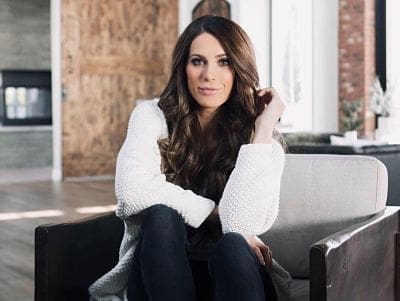
 In this Mormon Stories Podcast interview we interview Liz Layton. Liz has experienced much accomplishment and tragedy in her life as a millennial post-Mormon. This includes becoming a professional dancer for the Utah Jazz, but also includes the loss of her orthodox Mormon faith, two divorces, and the death of two of her siblings due to suicide.
Part 1 – Faith Crisis and Sister’s Death: This transcript is machine-generated and lightly edited for readability. The audio is authoritative. Please excuse occasional errors in names and spelling. John Dehlin [00:00:04] Mormon Stories is a production of the Open Stories foundation and relies solely upon the support of people like you, its listeners to help keep the podcast alive or to become a member of the community. Please become a monthly subscriber by visiting MormonStories.org and clicking on the Donate button on the right side of the page under support. All contributions to Mormon Stories are completely tax deductible in the United States and go towards producing the podcast and building communities and programs of support for Mormons like you. Thanks for your support. Hello everyone and welcome to another edition of Mormon Stories Podcast. I'm your host, John delinquent. It is May 17, 2019. We are broadcasting to you on a rainy day live from the Mormon Stories Studios Podcast in Salt Lake City, Utah. We are I am really excited for today's interviewee. This is someone that I've known for a few years, someone who I've wanted to interview for a few years and now is the right time. And so I am super excited today to be interviewing Liz Layton. Not sure how many of you will will know of Liz, but Liz is super cool, but more importantly super courageous to be willing to tell her story. Liz, as I, as I recall, was raised in Utah, became a professional dancer, danced for the Utah Jazz as a cheerleader for them. But the reason why she wanted to come on Mormon Stories is because she has a particularly unique, inspiring and in some ways tragic but redeeming story. As someone who's raised Mormon, raised, devout and believing, but who eventually has been through a lot as a millennial, Liz has had, you know, two, two, two marriages and divorces. I know the first one had to do with her faith crisis, so we're going to be talking about that. She has also lost, I believe six people close to her to suicide here in Utah, including two of her own siblings and a sister in law. And she is really passionate about suicide awareness and talking about it and, and helping others, helping to prevent suicide, but also to help people cope with loved ones who have committed suicide or died by suicide is the right term. And then also Liz just has a lot of strong feelings and experience around what it's like to be a post Mormon millennial and to have to deal with things like a faith crisis, a mixed faith marriage, divorces, dating on the single scene, et cetera. So we are just so, you know, we're humbled and I want to take this interview very seriously in terms of the serious topics that we'll be talking about. But I think you're going to love Liz. So we, we really do invite all of you to text in or message in on Facebook Live. Your comments and questions specifically around what it's like to be a professional dancer, what it's like to be a jazz cheerleader, and then questions around being a post Mormon millennium, mixed faith marriages, divorce, and of course the. The very serious topic of suicide. And I'll, I'll begin with a trigger warning because we're gonna be talking about suicide. I wanna make sure everybody practices self care. Please know that's what we'll be talking about. We'll do our best to be respectful about it, but please make sure and exercise self care. Whether it's by not listening, if it's too triggering for you, or watching, or by taking breaks, using mindfulness meditation, small doses, whatever you need or would be useful to you, please exercise self care and caution as we talk about something very serious. So without any further ado, Liz Layton, welcome to Mormon Stories podcast. Liz Layton [00:04:24] Thank you. I'm excited. Yeah, it's been a long time coming. John Dehlin [00:04:27] Yeah. It's an honor. It's an honor to meet. So let's begin by just as we always do, by talking about your Mormon story. Pioneer heritage. Were you born and raised in Utah? Tell us a little bit about your background. Liz Layton [00:04:42] So I have kind of the standard Mormon story. I was born, my parents are members of the church. All of my siblings and I were baptized, raised in the church. All the boys served missions. Most of us married in the temple. I grew up in Draper and I attended BYU for a couple of years. While I was at byu, I met my first husband. John Dehlin [00:05:04] Okay, wait, going too fast, too fast. Guest [00:05:07] Okay. Liz Layton [00:05:08] And where am I supposed to look at you? John Dehlin [00:05:09] Look at me. Yeah. Liz Layton [00:05:11] Okay. John Dehlin [00:05:12] Okay. So born in, born in Utah. What kind of, what city did you grow up in? Liz Layton [00:05:17] Draper. John Dehlin [00:05:17] Okay. Draper. Guest [00:05:18] Yeah. John Dehlin [00:05:18] And so were your parents pretty? Were they like, was your dad a turned missionary? Was your mom returned missionary? Were they married in the temple? Liz Layton [00:05:25] So my parents weren't married in the temple, but they were active my entire life. My dad served a mission in Washington D.C. and yeah, we had, I had a really great, you know, upbringing. It was very, kind of, like I said, just your standard. We went to church every Sunday, very active in young women's and involved with the ward. And I, I mean, everyone who knew me in high school could attest to what a good Mormon girl I was. I was a very, very good girl. Went to seminary, had a very strong testimony and that's why I chose to go to BYU. John Dehlin [00:06:00] How many siblings? Liz Layton [00:06:01] Oh, I'm the baby of 10. 10 yeah. John Dehlin [00:06:04] How does one person have 10 children? Liz Layton [00:06:06] She didn't. It's blended. John Dehlin [00:06:08] Okay. Liz Layton [00:06:08] The Brady Bunch. John Dehlin [00:06:09] Okay, so talk about that a little bit. Liz Layton [00:06:11] Yeah. So my mom had five in her first marriage. My dad had four. They married. After those marriages ended, they married and had me. So I'm like the glue. The baby, the glue. All my siblings are half, but we're all very, very close, so doesn't feel that way. John Dehlin [00:06:25] So in the home you were growing up in, were you living with other siblings? Liz Layton [00:06:29] So it's kind of an interesting dynamic. I have nine siblings, but in a lot of ways, I. Ways I was raised like an only child because there's quite an age difference between me and the next. There's eight years between me and my sister Lisa, and she is one of my siblings who passed. So then there's 14 years between me and the next, and there's 22. Is it 22 or. I think 22 years between the oldest and I. Okay, so. John Dehlin [00:06:57] So your. Your parents had you. Do you know what age they were? Liz Layton [00:07:01] Yeah. Later in life. My mom was 43. My dad, I think was 45. Guest [00:07:05] 46. 43. Liz Layton [00:07:07] I know. Guest [00:07:08] Wow. John Dehlin [00:07:09] Okay. Liz Layton [00:07:10] Yeah. John Dehlin [00:07:11] So you were kind of an only child with. With nine siblings. Liz Layton [00:07:15] Yeah. John Dehlin [00:07:16] Okay. So what was your, like, the Mormon aspects of your. Your childhood upbringing? Did you go to primary? Did you learn the primary songs? Liz Layton [00:07:25] Yes. John Dehlin [00:07:26] Did you have favorite primary songs? I was like this. Liz Layton [00:07:29] Well, the song that I can always remember is I like to look for Rainbows, which is fitting for today because it's pouring rain outside, but. Yeah, no, I mean, my mom is very devout and very believing and. And practicing through and through, so. Scripture study. I mean, I didn't. I. Yeah, I never, like, broke a commandment or did anything crazy that I can think of. John Dehlin [00:07:55] Okay. In high school, so did you attend seminary? Liz Layton [00:07:59] Yes, seminary graduate. John Dehlin [00:08:00] Okay. So what was your. What was, first of all, your experience in kind of young men, young women's. Did you like it? Did you not like it? Did you have friends? Were you treated well? Liz Layton [00:08:13] So I went to a private Catholic middle school, which was interesting. Well, I went to Juan Diego St. John's is. John Dehlin [00:08:22] Why'd they send you there? Liz Layton [00:08:24] Just. It was a good school. John Dehlin [00:08:25] Okay. Liz Layton [00:08:25] For the education. So, yeah, that was. It was interesting because I was in a private Catholic school, and that's actually why I like being lds, is why I chose to transfer to a public high school. And I ended up graduating from Jordan because. John Dehlin [00:08:43] Beat Digger. Liz Layton [00:08:43] Yep. Because all of my friends, like, they were, like, drinking at age 12, and I was so Freaked out. So young women's. I think when I was in middle school, I didn't really feel as connected, but that's because I wasn't going to school with the girls in my ward. Then when I went to high school and was going to school with the girls on my ward, I had a great experience in young women's. A lot of my leaders influenced. Had a wonderful influence on me. I had a very. Just a positive experience growing up in the church. The church was always a happy place for me. And yeah, I felt like I. I felt like I fit in and my leaders were wonderful. So it was very positive. John Dehlin [00:09:26] So were you. Were you. Did you. When did you start kind of getting into dance and that sort of thing and athletics? Were you in other athletics too, or just dance? Okay. Liz Layton [00:09:36] So I started dancing when I was like three years old. John Dehlin [00:09:39] Really? Liz Layton [00:09:39] Yeah. Little baby. And danced my whole life. And then in high school I did dance company and drill team. So started taking it really seriously in high school. John Dehlin [00:09:50] What styles of dance did you study growing up? Liz Layton [00:09:52] Every style except for ballroom. Mostly ballet, modern, but every style. John Dehlin [00:09:58] What else? What are the other styles? Liz Layton [00:09:59] Jazz, hip hop, tap. So contemporary. John Dehlin [00:10:02] You did all that stuff? Liz Layton [00:10:03] Yeah, all of it. John Dehlin [00:10:04] Did you grow up during the time so you think you can dance? Was kind of getting really popular. Do you remember how old you were during season one? Liz Layton [00:10:11] Oh, season one. I mean, I remember say, think you can dance? Started getting really big when I was in high school. John Dehlin [00:10:16] Okay, so do you remember Benji Schwimmer, like, when he won and we've had him on Mormon Stories twice. Did you know it? Oh, yeah, he's a fan. Guest [00:10:25] Cool. John Dehlin [00:10:27] So, okay, so did you have, like, did you have ambitions about, like being a dancer when you were in middle school and high school? Did you. Liz Layton [00:10:35] Yeah. John Dehlin [00:10:35] What you wanted to do with it? Liz Layton [00:10:37] I didn't really know that I wanted to. I don't know. Like, I had. I. My ambition as far as post high school weren't really centered around dance. It kind of transformed into that after I graduated in high school, I thought I would study journalism. I did an internship in Washington D.C. and. John Dehlin [00:10:55] Really? Liz Layton [00:10:55] Yeah, it was awesome. Spent a summer on Capitol Hill. So I just. John Dehlin [00:11:00] In high school. Wow, that's a cool opportunity. Liz Layton [00:11:02] That was my senior year. All the summer before my senior year, it was awesome. So I thought I would take that route. And then when I got to byu, I just randomly applied for a coaching position and started teaching and coaching and then I dance and then I changed my major and. John Dehlin [00:11:22] Well, before we go there, a couple more questions. About high school. Sorry. No, it's okay. We go deep. So in. So you weren't sure you were, like, trying to be a professional dancer. You just enjoyed it, were you? So you weren't a cheerleader in high school? Liz Layton [00:11:38] Well, I was on drill team and dance company. John Dehlin [00:11:41] So how is that working? I know how it was in Texas, but what are their cheerleaders in your high school? Liz Layton [00:11:46] Yeah. So there's cheer, dance, dance company, and drill. John Dehlin [00:11:49] And then tell us the differences between. Liz Layton [00:11:51] So cheer is more like tumbling. They cheer at all of the games. John Dehlin [00:11:56] It's throwing the girls up in the air and. Yeah, and flip flops and all that. Liz Layton [00:12:00] Yeah. John Dehlin [00:12:01] Could you do all that? Could you do the gymnastics stuff? Liz Layton [00:12:03] Not really. John Dehlin [00:12:04] Okay. You never did gymnastics? Liz Layton [00:12:06] No, I never did gymnastics. Very basic when it came to that. But yeah, I really have. My strongest background in dance is ballet. I mean, I. I really grew up in ballet. And then in high school, drill team competes, so it's a state sanctioned sport. So I did, you know, drill team for the competitive side. And then dance company is more of the artistic side. You know, the students choreograph, they put on the shows. It. It was a good. I had the best of both worlds as far as the athleticism of dance and the artistic value in it. John Dehlin [00:12:36] Okay, so were there competitions, like national competitions you guys would go to? Liz Layton [00:12:43] Yeah. John Dehlin [00:12:43] For. For which of those? Liz Layton [00:12:45] For a drill team. John Dehlin [00:12:45] Okay. Liz Layton [00:12:46] Yeah, we did nationals in New York. That was fun. I took second that year in the solo division and I. John Dehlin [00:12:54] They have solo? Liz Layton [00:12:55] Yeah. John Dehlin [00:12:55] You were second in the nation? Liz Layton [00:12:57] Well, it's. I mean, Utah Nationals. It's kind of a. I mean, it's not that. It's not like that crazy big of a deal, but it was a big deal for me because I improv'd most of the routine. I wasn't planning to compete it. And then when we got there, I'm like, well, I guess I'll do it. So I improv'd a lot of it while I was competing it and ended up taking second, which was fun. So. Yeah, it was. Dancing was a huge part of my life and an amazing part of my childhood. John Dehlin [00:13:26] Okay. Were you, you know, in Texas high schools, there was like, football players and then there were cheerleaders, and they were kind of the most popular. Were you and I know this is kind of might be awkward to talk about. Were you popular in high school? Were you well known? Was that hard? Is that not hard? Liz Layton [00:13:42] I think I had an. I had an awesome high school experience. I had a lot of friends and I Feel like the kids at Jordan were. It wasn't a very cliquey school. I was very. I was supposed to go to Alta High School. And like, no offense, but so glad I went to Jordan because the kids there. I just had a great experience. I felt like. Had a good group of friends. I had a good mix of friends because I was involved in the two groups. And. Yeah. John Dehlin [00:14:07] Okay, so overall, good high school experience. Liz Layton [00:14:12] Great. John Dehlin [00:14:13] Yeah. Okay. What was your spiritual life like in high school? So were you praying? Were you trying to get a testimony? Were you reading the Book of Mormon? Was. Were you paying attention to the general authorities? Like, or was it like the Utah experience where, like, you're Mormon so you don't even think about it because. Or partying because. I mean, I know you've already addressed this, but talk about what it's like to be a Mormon kid growing up in a Draper Sandy kind of high school. Liz Layton [00:14:39] Yeah. I was your just true Mormon girl through and through. I would read my scriptures at lunch. Like, I was very. A very active participant in seminary, so I'd like to. And in Sunday school and young women, I would like to share. And I never hesitated to volunteer. And I went to all the activities and I was very. For me, I felt that I was a highly spiritual person. I felt that even as a little girl, like, I just had this sense of spirituality and it was something that was important to me and something that brought me a lot of peace. And so, yeah, I. I was very. I don't know how else to say it other than that I was very. John Dehlin [00:15:24] Did. Was it important for you at that time to know if the church was true? Like, I remember growing up, I'm like, wait, there are a lot of churches out there. It seems convenient that I was raised in this. So I need to know for myself and Moroni's promise and all that. Did you, like, in high school, did Liz Layton [00:15:38] you didn't even think about it? No, didn't even think about it that way. It was something that worked so well for me and something I just. Yeah, I never. I never questioned it ever. In high school, it wasn't like, is this true? Is this not true? It was like, this is true, and how do I be stronger in it and better at it? And. And I. I just fed off of it. So I never doubted. Well, this leads up to when my sister died, which was while I was in high school. John Dehlin [00:16:08] Okay. Liz Layton [00:16:09] So. But before then, no doubts, no questions asked. The church worked for me. John Dehlin [00:16:15] And there were. You didn't know about any of the historical problems or the doctrinal problems or the leadership problems or any of that. Liz Layton [00:16:22] Yeah. And I didn't even bother to ask because I just. Yeah, I just loved it. Guest [00:16:26] Okay. John Dehlin [00:16:26] And like an idyllic. Pretty much an idyllic childhood and teenage years up until your sister. Liz Layton [00:16:32] Yeah, well, not completely. Guest [00:16:36] We. Liz Layton [00:16:36] Every family has their challenges, and when you have 10 kids, you're bound to have probably, you know, a good. We had our challenges as a family, but for the most part, I had two very stable, good parents, and I was raised in a safe home and always taken care of, so. Yeah. And then as far as the church stuff goes, very idyllic. Like I said, I just. I just didn't even. Never had a doubt. John Dehlin [00:17:00] Okay. Okay. So if you were to try and kind of take us a bit back into your sister's story, what she was like, you know, what. What you think she may have been dealing with, and anything you can piece together about the timeline to help us understand what was going on and what may have led to her taking your life and then what it was like to find that out for you. Yeah. Liz Layton [00:17:31] So I had always known one version of my sister, and that was, I think, the version, probably, that my parents wanted to curate for me growing up, and also probably a version that she showed of herself. John Dehlin [00:17:48] And what did you know about, like, her personality, her interests, her. Liz Layton [00:17:52] Well, so she. I related really well to her because she was a dancer, and she was a very good dancer. John Dehlin [00:17:57] And so, like, drill team, same stuff, same company. Liz Layton [00:17:59] Yeah. She went to Highland High, so. And then she danced in college. She married her high school sweetheart when he got home from his mission. They moved down to Arizona, went to asu. She had just graduated from ASU when she had passed, but Lisa was, like, the sweetest girl on the planet. So fun, so kind, just darling. And I had always. I looked at her and her young husband as very picturesque, especially if we're talking a young Mormon marriage. I mean, they had it all. They. You know, he had a great career lined up, and she. You know, like I said. Like I said, she had just graduated. Excuse me. From Arizona State. John Dehlin [00:18:44] So do you guys spend time together? Do you have memories with her? Liz Layton [00:18:47] Oh, yeah. Oh, yeah. John Dehlin [00:18:48] I mean, talk about some of the things you guys would do together. Liz Layton [00:18:50] Well, when we were little, she would. She was actually mean to me when I was a little girl. She would tease me and, like, she was probably the only sibling because we were closest in age, and so she's the only sibling that ever teased me growing up. But my memories were a Lot of, you know, going and watching her dance and her coming and watching me dance and going camping with my dad and spending time with, you know, her friends when she was in high school and her. She had cousins her age and. And then actually, I think it was. It was in. Within the year that she passed. We went out to Arizona and spent some time with she and her husband after she graduated to celebrate her graduating and got to go to her ceremony John Dehlin [00:19:32] and so would she, like, teach you dance moves? Like, was it that. Was she a mentor to you or not really? Were you not there? Liz Layton [00:19:39] She was a mentor to me, but she didn't know that. So she was more, like I said, just someone that I really, really looked up to. And we had limited, you know, obviously she lived mostly with her mom, but when she would spend time with my dad, we were together. And so, yeah, yeah, a lot of happy, fun memories. She was. She was awesome. She had the cutest personality ever. John Dehlin [00:20:01] And you said married in the temple and married a returned missionary and. Liz Layton [00:20:05] Yes. John Dehlin [00:20:06] Okay, yeah. So what do you think might have been happening behind the scenes? Liz Layton [00:20:12] Yeah, So I found. John Dehlin [00:20:15] And were there any signs in her history that would have given any indication. Liz Layton [00:20:19] See, none that I knew. I didn't know, like, the other side to this story until after she passed and I started to ask questions. But I guess she had partied a little bit here and there in high school, but then she would kind of, you know, clean up. And then obviously they got married in the temple. But I think what ended up happening was when they moved to Arizona, my understanding is that they had kind of stopped going to church, started socially drinking, and they weren't very honest, at least with my family, about that. I don't know about his family. I know that there were a couple of my siblings who were aware of the situation, but long story short, I think that they were struggling as a married couple. And I mean, obviously they married very young, and now they're kind of in transition as far as the church goes. John Dehlin [00:21:06] And so do you think there. Do you have a. Do you have reason to believe they were questioning their faith or not sure about the church? Liz Layton [00:21:13] I would say. I would say because we found out that they were living not a clean, active LDS lifestyle. I would say that she was probably. John Dehlin [00:21:22] And what's. And what's. And I want to just make sure we're really careful about this. And you. And, And I appreciate you talking about it. Like, plenty of people probably party some or experiment with different things as Mormons. And of course, they just either compartmentalize or it doesn't bug them or they clean up or. Or they leave the church. But, I mean, so that's a piece of the puzzle. But. But I don't want to, you know, make that loose association that if somebody tries drinking that it's going to lead to so much guilt and Mormonism that they. That they, you know, that they feel like they want in their life. However, at the same time, it probably can be super stressful if you're not living the gospel. And by the way, there's also that fork of just the Jack Mormon of people who just. They still believe, but they, for whatever reason, just can't or don't want to follow all the standards. And so there are those possibilities. Right? Liz Layton [00:22:22] Well, that's an important part. And this is. I'm speaking for myself here. I'm not speaking for anyone else in my family. There's a lot of opinions on this, but my personal opinion is she married into an amazing family. They are incredible people, but they are very prominent in the church. And I think that there was probably a ton, not just from them, but I just think in general, a lot of pressure to fit the box. And I think. And yeah, speaking honestly, this is a critical component to her story, in my opinion. I think that she probably felt this pressure to live up to a certain standard and to lead a certain lifestyle that she wasn't. And I think that that plays an important role in what ultimately led to her decision. John Dehlin [00:23:10] And then there is, you know, there always is the possibility of someone who's struggling to talk to their spouse, to talk to their parents, to talk to their siblings, to talk to their bish. And then there's the reality that many times people don't feel comfortable being open and honest and sharing. Do you have any sense for whether she was reaching out to anyone? Were there cries for help? Were there any signs? Liz Layton [00:23:35] Yeah. So not to my parents and never to me. I had no idea. But I know that she was reaching out to a couple of my other siblings. There were people that were aware of the situation, and I know she was in therapy at the time as well. So she was reaching out. I think as far as signs and symptoms and warnings go, I think she'd been having some rough months leading up to that. So, yeah, there probably were a few signs. We just didn't know. John Dehlin [00:24:09] And without, you know, without. And this is something I learned very on you. You can never really put your finger on the cause of a suicide. Right. There's going to be genetic factors. There's going to be chemical, brain chemistry factors. There's going to be situational factors, personality factors, life factors, spiritual factors, religious factors, insecurities, past traumas, life experience. So we, even though we're. We have to make. It's kind of human to try and make sense of it at the same time. It's probably important to never like, say it's one thing. It's like, well, she had this family or it was the church or. And I don't want to make anyone think that we're doing that. However, having said that, this theory that you have, that being if it was sort of. I'm supposed to live this model Mormon life. I've got in laws that are really super prominent and orthodox and devout, and yet we're not living the standards and the sense of perfectionism, which can often come with dancing. I hear that can lead to a lot of pressure. So anyway, I'm just trying to summarize a little bit. Liz Layton [00:25:25] Yeah, that was spot on. John Dehlin [00:25:26] Yeah. Okay. So do you remember like hearing and where you were and how you heard and what was that like, like yesterday? Liz Layton [00:25:36] It was, it was. John Dehlin [00:25:37] Where were you crazy? Liz Layton [00:25:39] I was leaving State conference. So I had a Sunday. Yeah, it was a Sunday. John Dehlin [00:25:43] And you're how old? Liz Layton [00:25:44] I was 17. So junior year of high school, I went to state conference with my mom and my boyfriend, my little high school boyfriend. And I left and I had like 20, 30 missed calls from family members. And I called my sister. She was crying. She just told me, go home. You need to go home. Everyone's on the way, on their way over to mom and dad's right now. And she wouldn't tell me what happened. And I got really frustrated with her. I hung up on her. I called my brother, my oldest brother, also the brother who passed. And he was the one that told John Dehlin [00:26:13] me who passed later. Liz Layton [00:26:15] He passed later? John Dehlin [00:26:15] Yeah. Liz Layton [00:26:16] But he told me at that time that my sister had died. And I remember the way he said it, everything, it was like I'll burned in my memory. And how did he say it? He said, lisa's been shot. And so for not one second did I think suicide. John Dehlin [00:26:34] Okay. Liz Layton [00:26:35] I thought absolutely. From the get go, someone had done this to her. She. And. And then I started. I'm like, what? You know, who gets, who gets shot? Like, I've never even heard that seems so far off. So my parents didn't tell me for a couple of days what really happened. I think they knew in the, you know, obviously in the first 24 hours what really happened, but they didn't tell me my Parents protected me a lot and I know it come it came from good intentions, but I actually resent that a little bit that they weren't just more upfront with me from the start, but because then when I found out what it really was, I mean I was this emotions as a young 17 year old. This is again my hero, my idol, one of the people who meant the most in the entire world to me. And then to find out that it was just a little, it was not, it was uglier than I knew or than I thought. I wish they would have told me from the start the truth about it. John Dehlin [00:27:39] I have to just throw in something as we've talked a little bit about the suicide epidemic on Mormon Stories podcast, specifically as we've related it to LGBT youth, because we've talked a lot about that. I've had some experts in suicide reach out to me and they, they made the point to me that surely there are going to be associations with, with, with a predominant religious culture and that that predominant religious culture's policies around things like LGBT that will affect youth suicide. They also just very strongly wanted to reach out to me and let me know and I'll be bringing them onto the podcast in future episodes that it, it would be impossible to make sense of suicide in Utah without including the accessibility to guns and firearms as a really important factor. Because, you know, there's, there's whatever gets someone to contemplate suicide, there's whatever happens to them in the moment. Those are all really important things. But from all the professionals that I'm talking to, the, the easy ready access to a firearm when somebody is actively suicidal is a major contributing factor to the high suicide rates both in Utah and in the Mountain West. And I'm not pro gun or anti gun. This isn't me trying to make a statement about the N. NRA or the Constitution. It's just a reality that if you have guns, if you have firearms, lock them up and do not make them easily accessible. Because if you have a loved one who's suicidal and there is a firearm readily available, that is going to be a major factor for why suicide rates are so high in Utah and in the Mountain west, along with other factors. Are you feeling anything right now? Liz Layton [00:29:45] I appreciate you saying that. And again, I, I haven't even given enough thought as to how I feel about the gun issue. But in Lisa's case, you know, I think that her decision. We'll talk about this later. How it differed from my bro, my experience losing my brother. But with Lisa, I think it was very rash. I don't think this was premeditated. I think she was in a really dark place and she had access to a gun. And I think had that been different, the outcome could have been different. John Dehlin [00:30:20] Well, so tell us how you. How the family reacted and how you reacted and how everyone coped with this and made sense of it, how it was treated. Anything you want to share for those who either want to prevent this or have something like this happen or have to deal with it. What, what do you want to tell about that experience that you think would be important to the story or useful to people? Yeah, thinking about these things. Liz Layton [00:30:51] Sorry. So again, I want to stress the difference in the experiences between the two siblings, because it's important. I think the way that we handled Lisa's death wasn't as well as we handled Brian's and obviously we were experienced by then, but it was, it was hell. It was hell for our family. I would never wish that on anyone. It was. And especially because it was so shocking where. With Brian. Talk about it later. But we had. The warning signs were a lot stronger with Lisa to have it be so shocking. It was just the worst week of our lives. Well, months, years after I say for myself personally, it probably took me about four years to really even feel normal again. And I also say, and no blame in this statement here, but it ruined my life. I was a straight A student, I had a million friends. I was a great dancer, very motivated. And losing Lisa, I just did a.180 had no motivation. I felt hopeless and devastated and angry. And this plays an important role in my faith journey because up to that point I had never, as I said earlier, even questioned God or the church or any of it. And then when Lisa died, that was the first time in my life that I felt angry at God. And the first time that I started to question it really had a big impact on my faith because I, I just thought, you know, for everything our family had been through and Lisa was always the happy one. Why did this happen? Of. Of everyone, like, of anyone in my family, there's people who struggle with depression, anxiety. I have a brother who's schizophrenic. And so Lisa just was never in those categories to me. So I, I blamed. Yeah, I blamed God. John Dehlin [00:33:04] There's depression from missing her, but I imagine there's also depression and shock from. Just like you. You kind of. The. The world can obviously be chaotic and have suffering, but if you get into a system and a set of beliefs and a structure, you kind of think, well, maybe there's bad things that happen, but as long as I live a certain way and believe a certain set of things and do the right things, I can avoid a lot of that pain and suffering. And so I imagine when something like this happens out of the blue, unexpected, where it makes no sense, is part of the depression just feeling like this could happen to anyone at any time, how do I feel safe in the world? I don't want to just interject that, but talk about what it does to your beliefs, your spirituality, your thoughts, your motivation. Can you go a little bit deeper on the depression, the confusion, the crisis of faith or whatever? Liz Layton [00:34:03] So that what rings true to me of what you just said is this idea that if, then, if I live a certain way, then I can expect a certain outcome. And it kind of echoes. That's a very, you know, good way to put my early adult years and the last couple years of high school. I lived the church's teachings. I did everything by the book. And I just kept getting slammed like with one hard event after another. And not just little things, but deaths, divorce, all of this. And so in my mind, the two, I could not connect the two. There's nobody that was living the gospel better than me. In my mind I'm like, I'm doing it all right. And I keep getting, you know, just, just. I keep. Horrible things keep happening. And that's not to be self pitying, it's just the reality of how I was feeling. And so as far as the depression goes, yeah, I mean, I just felt like our family had done. I don't know. And I looked at Lisa too. I'm like, wasn't she doing everything right? And obviously I didn't know, but she had gotten married in the temple and her husband had served a mission. And, and it's just like, I guess that feeling of why do bad things happen to good people? If we're promised, I don't. If we're promised certain things, I don't know if that's making sense. But as far as how I felt after she died, like I said, it took about four years to recover. My senior year, I kind of like just overloaded myself. I took a ton of hard classes. I was really involved in dance. I think I wanted to distract myself. John Dehlin [00:35:40] Did you, did you see a therapist at all or a counselor? Liz Layton [00:35:43] No. John Dehlin [00:35:43] Talk about that. Well, any reason why or. Liz Layton [00:35:46] I have no idea. John Dehlin [00:35:47] Why was it offered to you? Did your parents, you know, recommend that? Liz Layton [00:35:50] To be honest, not that I remember, which is interesting. My mom, my Mom's a family, marriage and family therapist. And so to be fair to them, because I don't remember, they. Maybe they offered. I don't remember. But I didn't go to. I didn't go to therapy after. And that, again, a huge thing I would have done differently. Absolutely. If I, you know, to anyone out there who has a teenage child who's lost someone close to the. John Dehlin [00:36:18] Or an adult. Liz Layton [00:36:19] Yeah, seriously. But especially a teenager, get them in therapy, have them talk to somebody. It would have made a huge difference for me. John Dehlin [00:36:26] So you medicated the pain by overloading yourself? Liz Layton [00:36:30] Oh, yeah. Yeah. John Dehlin [00:36:31] With what? Liz Layton [00:36:32] With dancing, dance, school, friends, boyfriend, getting ready for college. The perfectionism, that was another way that I related to Lisa. I think that she was in some ways a perfectionist because everyone labeled Lisa as perfect. Truly. She was like, perfect looking perfect, acting perfect sounding. Her life was picturesque. And so. And I kind of took that on, and I just. I thought that if I can be perfect, I can compensate for what was going on emotionally. And as long as the outside world saw that I had it all together, I was good. So I did that for a while. John Dehlin [00:37:08] Do you feel like her perfectionism may have been a contributing factor to her feelings? Liz Layton [00:37:15] Well, probably to her. And I am making assumptions here because I haven't had this conversation with her. Guest [00:37:21] But. Liz Layton [00:37:22] But what I could relate to and see as a possibility is that she would be disappointing a lot of people if she were to live that authentic life outside of the church. And that's not, like I said, for being labeled as perfect for so long. That may be letting people down as far as the image that had been created around her. Guest [00:37:48] So. Liz Layton [00:37:48] Yeah. John Dehlin [00:37:48] Okay, so how did you and your family emerge from this? How. How does a family, you know, recover? Or can it. How do you recover? Okay, this. Liz Layton [00:38:02] That's why. What I. John Dehlin [00:38:03] What's the grieve? What's the grieving process like? Guest [00:38:06] Long? John Dehlin [00:38:07] Four years, you said. Liz Layton [00:38:07] Really hard. I. I like. You know, I've heard this before, that it doesn't get easier. You just get used to a new norm. That's very true. I don't think that we will ever recover from losing Brian and Lisa. Our family will never be the same, but you just get used to something different. So for a little while there, it brought us really close. And then I think we all kind of took our separate paths to grieve. And now it's been a while now since Lisa, you know, she died in 2009. So it was a long time ago now. So we're in a different Space with her. But now we're grieving Brian. The loss of Brian, so. Okay, just a long, hard. John Dehlin [00:38:49] So it's 10 years ago you lost Lisa Road. Guest [00:38:51] Yeah. John Dehlin [00:38:51] Okay, so you. You made it through your senior year of high school? Liz Layton [00:38:57] Yeah, yeah, I made it through my senior year of high school and then freshman year at byu things. That's when everything imploded. John Dehlin [00:39:04] Okay, so you. You applied at byu. Did you want to dance at byu? Did you try out? Did you try out for a scholarship, any of that? Liz Layton [00:39:12] I wanted to dance. John Dehlin [00:39:13] So the Cougarettes, Right. That's what you would have done. Yeah. Okay. Was that kind of a dream of yours or not? Liz Layton [00:39:18] Oh, I definitely thought about it. I was one of my girlfriends from high school. We were going to try out together, and on our way down to the prep class, we got in a horrible car accident. She totaled. Totaled her car. John Dehlin [00:39:29] Oh, no. Liz Layton [00:39:29] And then the audition date happened to be the week that we were going to be in nationals for drill team, so we had to choose nationals or auditions. So, long story short, I never auditioned, but definitely thought about it. Like I said, I thought I would pursue journalism and communications. And so my freshman year, I started in all of the communications classes. And then as I went through my freshman year, I ended up, I think, beginning of my sophomore year, changing to a dance ed major. And that's when I started teaching and coaching. So, like we said earlier, dance wasn't something that I was totally set on. It just kind of morphed into that in my freshman and sophomore year. John Dehlin [00:40:10] So you said everything fell apart your freshman year. Okay. Liz Layton [00:40:13] What. John Dehlin [00:40:13] What happened? Liz Layton [00:40:14] Yeah, so that was when, you know, I had all of these distractions. Senior year, and then freshman year, I'm living on my own, sort of. John Dehlin [00:40:23] In 2010. Is that when you were. Liz Layton [00:40:25] 2011. John Dehlin [00:40:25] Okay, 2011. Guest [00:40:26] Yeah. Liz Layton [00:40:27] So then I was living alone. I was free to, you know, I was on my own. John Dehlin [00:40:34] And you didn't do the dorms? Liz Layton [00:40:37] Well, I just. I didn't have the structure that I had, you know, senior year. John Dehlin [00:40:41] Right. Did you live in the dorms or. Liz Layton [00:40:43] Oh, as a freshman? No, I lived at Liberty Square. John Dehlin [00:40:46] Okay. Okay. Liz Layton [00:40:47] I thought I was too cool for the dorms. John Dehlin [00:40:48] Okay. Liz Layton [00:40:49] Which was dumb. So I lived at Liberty Square, but because my schedule was different and I wasn't dancing anymore, I had a lot more free time on my hands. I fell into the darkest period of depression. Well, one. There's been two times in my life where I feel I've been truly depressed, and that was one of them. And long story short, I Ended up fall semester, withdrawing from all my classes. I was seeing a therapist at byu, but I. John Dehlin [00:41:15] In the counseling center there. Liz Layton [00:41:16] Yeah. And he was actually phenomenal. He was really, really awesome. But I just. I couldn't hide from my grief anymore. John Dehlin [00:41:25] Talk about falling into despair. Like, just describe. Take us into what happened. So you're freshman year, you're going to classes? Liz Layton [00:41:32] Yeah, I just dating boys. John Dehlin [00:41:34] I'm sure. Liz Layton [00:41:34] Like, I had a boyfriend. I had a really serious boyfriend. He was my. I dated him all my senior year of high school and then all my freshman year at byu. And he was great and, like, such a good support to me during that time, but I just. I couldn't, like, stop thinking about her. I couldn't stop. John Dehlin [00:41:50] So you're ruminating about Lisa. Liz Layton [00:41:52] Oh, yeah. All of the depression came from Lisa, from losing Lisa. John Dehlin [00:41:56] Okay. Liz Layton [00:41:57] So it was like I had everything in the world to be happy about, but I was just so devastated that she was gone and that this had happened to my family. And I saw how it affected my parents and my siblings, and I just would lay in. You know, this is obviously something I haven't really shared with many people, but I would lay in bed for, like, 14 hours a day. Just sad. I could. It was debilitating. So I had to withdraw from classes because there's no way I could finish the semester. And I went to therapy every week, and I tried my best, but it was just like a dark. Yeah, really, really dark. Guest [00:42:34] Did you. John Dehlin [00:42:35] Did you reach out to loved ones to let them know how bad things were for you, or did you just. What did you do? Liz Layton [00:42:42] I didn't reach out to loved ones, which is interesting. I think that also. And this is, again, where I feel I can relate to Lisa. I don't think I wanted anyone to know how I was really feeling. John Dehlin [00:42:51] Why is that? Liz Layton [00:42:52] I was embarrassed. I was really embarrassed because I had been this, like, star student, this overachiever, this golden child, and now here I was just kind of bombing it my freshman year at byu. So I was embarrassed, to be honest about that. And, yeah, it kind of. What. What ended up happening was I got to a place where I thought, you know, candidly, if Lisa did it, so could I. John Dehlin [00:43:19] So there's that. You know, the Wall Street Journal recently did an article about. I'll just call it suicide contagion, where when. When one domino falls, sometimes that increases the likelihood of. In a school or in a family of. Of someone else making that choice. So. So you've experienced that. Is that what you're saying? Liz Layton [00:43:38] Yeah. John Dehlin [00:43:38] When someone Takes their life, then what? Liz Layton [00:43:40] Yeah, it just makes it a little more. In a weird way that it makes it relatable. So it's like something that was very foreign to me. I had never, I never thought about something like that. But then I saw it and I saw it to someone close to me and I'm like, oh, this does happen. And maybe this was a good answer for her. And. And I just, I was in a very dark place. So I was, I was having these thoughts and part of me, like in a weird way, like, Mr. And I'm like, I feel like I can relate to her in a lot of ways and so maybe I should just, just like be with her, you know, because, like, nobody gets me here and I don't know. I was having. Yeah. Just a very dark place. John Dehlin [00:44:18] So your religious beliefs about heaven can ironically make you make sometimes suicide appear more attractive because it's like. Liz Layton [00:44:26] Well, definitely the idea. Yeah. Being with her and being out of John Dehlin [00:44:30] the pain and being in a happy place. Liz Layton [00:44:32] Being in a happy place. Yeah. Yeah. Guest [00:44:35] So. Liz Layton [00:44:36] So that was. I mean, I got, I. I got to the. I planned it all out. I was there, I was ready to do. John Dehlin [00:44:44] You had a plan? You got that far? Liz Layton [00:44:47] Yeah. John Dehlin [00:44:47] Did you let anyone know? Did you let your therapist know or. Liz Layton [00:44:51] No? Yeah, I. Basically the day that everything happened where I felt that I was ready to do it, I let one friend know. That friend came and was with me and talked me out of it and I was okay. And then I ended up going home to my parents house that weekend. John Dehlin [00:45:10] Do you feel like that friend saved your life by being there for you or not? Or. Liz Layton [00:45:15] I mean, yeah, definitely. In a way, looking back, I'm trying to think, would I really have done it? Like, was I really there? I mean, I was, I mean, I was, I was there in the sense that I had. I mean, I was prepared. But the fact that I reached out to somebody, like right in that moment, I'm like, no, I can't do this to my family again, you know? So, yes, I mean, the friend was a support to me in a certain way. But what my motivation for not following through was not wanting to put my family through that again. John Dehlin [00:45:44] Okay, so just a small. I call them little coaching or therapy moments. It's. You know, as a therapist, I've had to deal with suicidal clients in my training and it's super hard and. But one thing that's really important to understand, that I've learned and I'm certainly no expert about suicide and we'll have experts on. But There is a big difference between suicidal ideation where you think about it. Most adults have or will think about suicide at some point because life is hard and it, you know, you see it around you and it comes up, um, there. But it's important to distinguish between just those thoughts which really you can't control and you're going to have them and we're all going to have them. There's a big difference between suicidal ideation and when you actually get to the point where you're starting to make a plan and identify a means and you have some intent. So suicidal ideation is never fun or happy or desirable, but, but it's, it's quite normal, actually. So part of the reason why it's important to normalize that is because, you know, just because you have those thoughts or just because you know someone who has those thoughts, it's not necessarily a reason to panic or to really, you know. Of course, as soon as you're having those thoughts and you think you might be in a bad place, you or a loved one should, should immediately see a therapist, a licensed, you know, psychologist, psychiatrist, if you think there are medical reasons, or some sort of mental health professional. But certainly if, if there's a plan that's. And you can assess for that, the therapist will assess for that because that's when things get, you know, get very, get serious. So you did get to that point. What made you reach out to a friend versus not like, again, just that Liz Layton [00:47:41] idea of, I can't put my family through this again. John Dehlin [00:47:44] Okay, okay. So they, your friend got you to your family. Is that what happened? Liz Layton [00:47:49] No, well, my friend came and was with me that day and talked me off the ledge. And then I went home and was really honest with my dad and I didn't tell him in detail what had happened, but I just said, I'm really not doing well, I really need some assistance right now. And then my parents stepped in, got me into a couple of, I did a couple little programs and so some therapy and, and, and, and got out of that space. John Dehlin [00:48:15] What types of programs were helpful to you? Liz Layton [00:48:18] To be honest, I did the Impact training at one point. John Dehlin [00:48:21] That's like, that's like landmark. Yeah, it's one of those weekend, weekend things. Talk about impact training, because I've had, we've had someone else on Mormon stories that said it, it really helped them. Liz Layton [00:48:33] It was great. Yeah. John Dehlin [00:48:34] I, and this is, we're not paid by Impact. This is not an endorsement sponsored by Impact. Right. But, but can work for some people. Liz Layton [00:48:41] Yeah. So I had Two siblings that had done it and I was in, you know, I was in therapy, but also. John Dehlin [00:48:48] So you went to a psychologist, a marriage, family, what was it? Lcsw. Liz Layton [00:48:53] Probably an lcsw. John Dehlin [00:48:54] Okay. Liz Layton [00:48:55] But yeah, my sister, she became aware of my situation and she'd been through impact and thought that I might find value in it and so told my parents, let's put Liz through impact. You know, I was really young, I was like 18, so I, I wish I would have waited and gone a little bit later as an adult, but it was great for me. It pulled me out of. What impacted best for me was it just, it kind of, it woke me up. So I. John Dehlin [00:49:20] To what? Liz Layton [00:49:21] I think I was feeling very well. I was depressed, but I think I was feeling sorry for myself too, like, oh, this happened, you know, this happened to me and it put me more at cause in my life and I took ownership of my own happiness. I was an adult now, I didn't need to rely on anyone else. And so it taught me some independence in that sense that was very valuable at that time. John Dehlin [00:49:41] We have a listener, Laura Lee, who says I'm in LMT 3. I don't know what that means. What does that mean? Liz Layton [00:49:46] That's one of the levels of Impact training. There's lots of, there's lots of different, I guess you could call it levels, but there's different courses within impact training. LMT 3 is like the highest. John Dehlin [00:49:56] She says, I went through all the levels. Love, love, love it. So another listener. Liz Layton [00:50:01] I mean, if you're out there, if you're in a funk and you're looking for something to really just kind of jolt you and get you started, it was awesome for me, it totally changed my life at that time. John Dehlin [00:50:11] Okay, so you emerged from impact training Liz Layton [00:50:13] thinking and feeling what just, I let go of a lot of. I, I had, there was, I think blame is huge. I was blaming certain people, I was blaming God, I was blaming certain family members, I was blaming Lisa in a way and I let go of that blame that was causing me a lot of grief. John Dehlin [00:50:33] So, okay, and so where did things go? Liz Layton [00:50:38] So from there things got a lot better. John Dehlin [00:50:41] Interestingly, it was one quick thing. If, if those of you who are big Mormon stories geeks will know that we interviewed Melinda and Stu Brown and, and Melinda went through impact training and it was really impactful to her. But I've talked to a few people that say that those sorts of trainings, whether it's landmark or impact, can sometimes cause you to start questioning your faith a little bit. Liz Layton [00:51:04] Well, that plays a role And I John Dehlin [00:51:05] think the church is actually. Liz Layton [00:51:07] They came out with a statement. John Dehlin [00:51:08] Yeah, go ahead and talk about that. Liz Layton [00:51:09] Yeah. So that was all. Yes. So again, I'm having a couple of experiences that are waking me up to the fact. Well, to recognizing that one. I've never allowed myself to ask if I think the church is true. I've just always assumed that it was and gone off of that assumption. So, Lisa dying and then going through Impact, I just started to think for myself, it encourages you to connect to your true self and what feels authentic for you in a way that the church doesn't. So, yeah, it, it definitely opened me up to the idea that maybe the church doesn't have the monopoly on the truth. On truth, and that there are a lot of avenues for truth in the world. I mean, it, you know, it's like as a Mormon, you don't, you almost don't consider how many other religions and ideologies and paths there are. It's. They're like you just have your blinders on and then you go to Impact and you're with a diverse group of people. I was with people from all walks of life and I'm like, okay, yeah, I'm kind of out of my little provo bubble saying that maybe there's more to the world than Mormonism. For the first time ever, it had a huge, A huge impact. And what ended up happening was so, okay, so I go through impact. I'm in my. Heading into my sophomore year of college, I sent my missionary. He went on his mission and about six months after he was out, I met Joe, who was my first husband. And dear John Deere, I. Dear John's my missionary. Yeah. And then. Yeah. And I met Joe. And Joe was. Well, Joe is the perfect Mormon man. Like he is every Mormon girl's dream. And I pay and I say that as a major compliment to him because he's one of. He's an amazing person, one of the best people I've ever met, but definitely what every Mormon girl wants, what every Mormon family wants for their daughter. He was just like a slam dunk. John Dehlin [00:53:10] So he was raised in the church? Yes, Utah. Utah boy? Liz Layton [00:53:15] Yeah. One of 14 children. John Dehlin [00:53:17] What city, what town? Liz Layton [00:53:19] In Santa Clin, Utah. So small town, really incredible family. Like the nicest people I've ever met. John Dehlin [00:53:27] And what you love about Joe, like when you pictured your life together, what came into your mind? Liz Layton [00:53:31] It was just good. Like so. I mean, he was humble, he was kind, he was honest, he was hard working, he was loyal. He was so family oriented, like Amazing with kids. And he and I had the same vision for life, and I loved that we wanted to have children and build a life together and have a family and serve God and be good people, and we were totally aligned, and I knew that I would have that in him. John Dehlin [00:54:00] What were his professional ambitions? Liz Layton [00:54:02] He was studying finance. John Dehlin [00:54:03] Okay, so, yeah, at byu. That's a good program, right? Liz Layton [00:54:08] Yeah, yeah, yeah. Okay, so we did Mormon couple. Yeah, it sounds good. So we got married. Because that's what you do. John Dehlin [00:54:15] How long did you date him before you got married? Liz Layton [00:54:17] Four weeks before we got engaged. John Dehlin [00:54:18] What? Liz Layton [00:54:20] Okay, yeah, we got engaged after four weeks. I remember sending that letter to my missionary and being like. Like. Because we had. We were. You know, I mean, really, I. Dear John, him with like, hey, I met someone I think I'm gonna marry. John Dehlin [00:54:33] Sorry. Liz Layton [00:54:34] Good luck. And so, yeah, so. And then we. So we met in November. We got married in March. So it was. But again, I had gone through impact. And then also while I was at byu, I started to learn things in my religion classes at byu, Just certain doctrinal things that I hadn't been. Either I hadn't been paying attention in classes or seemed new to me. And so I started to question that same time. And that was. Right. Like when Joe came into the picture was when I first started questioning the church. John Dehlin [00:55:14] Okay, so what's that like to question the church at BYU while you're engaged and. Or married? Liz Layton [00:55:24] It was so scary. It was really scary. Because how did you feel? John Dehlin [00:55:28] Even the permission, you know, that seems too risky. Liz Layton [00:55:30] Well, that's it. Yeah. The risky is the perfect way to put it. It felt scary. It felt wrong. When I started to question things, I'd want to get. Get online and look something up or, you know, so my dad is very well versed in church history, and church history is what got me. So I started to hear things, questionable things about church history. John Dehlin [00:55:50] Like what? Liz Layton [00:55:51] Well, Joseph Smith's the truth about his polygamy things. I mean, kind of just all your standard, I guess you could say the CES letter topics and that. John Dehlin [00:56:02] But that hadn't come out by 2011, 2012. Liz Layton [00:56:05] Yeah, that came out after. John Dehlin [00:56:06] Yeah. So you. Liz Layton [00:56:07] But. But those. You know, just. John Dehlin [00:56:11] How did you hear about them? Liz Layton [00:56:13] I heard about them. I think, truly, if I try to remember back, like, where did this really come from? I want to say, like, in my Book of Mormon class, there was some conversation about polygamy. And I remember being like, I don't think I really understand polygamy in the way that I thought that I Did. And so I, I would. And going online, I felt like I was like going online to like look up something like dirty. Like I felt wrong, I felt scared. I'm like, I shouldn't be looking into this. But I did. And then, and then I reached out, I would reach out to my dad. And so, so one, one thing, you know, like the rabbit hole, right. So one thing spiraled into the next and ultimate. And then within a couple of months I had what like a five page front and back list of questions I had about the church, of things that didn't add up to me and things that, that I didn't agree with. And so when I met Joe, I told him about some of. I mean he was aware that I was having some doubts, but I think Joe felt that our temple marriage would confirm my faith and not progress my doubts. And so he was very. You know, the day that I took my endowment out, I cried all morning. John Dehlin [00:57:31] Why? Liz Layton [00:57:31] I was like, I'm not ready for this. I don't know that I believe in this. Not that I wasn't ready for marriage. I wasn't ready for marriage. I was way too young. But that's not what I was thinking. I was thinking I wasn't ready for this temple ceremony because my faith wasn't there, because I was having all of these really important questions and. But at that point I felt I had to go through with it. We had, our wedding was the next week. We had family coming into town, Everything's planned. But I remember that morning of my endowment ceremony just thinking, holy shit, I am not there. Like, I don't want to do this. John Dehlin [00:58:06] What, was the endowment itself disturbing to you? Liz Layton [00:58:10] Not disturbing, just I remember, you know, as they ask you to confirm and, or to the promises that you make covenants. Yes, okay, the covenants. I felt so gross with myself during that. John Dehlin [00:58:25] Why? Liz Layton [00:58:26] Because I just felt like I was lying. I knew as I agreed to each covenant that I wasn't being honest. John Dehlin [00:58:32] So like tithing, chastity, consecration, those are some of the ones that come to mind. You, what, what didn't feel good about. Liz Layton [00:58:39] Well, I, I just, I didn't want to raise my hand because I'm like, I don't know. I don't know that I'm going to do that. I don't know that I want to do that and I don't know that I believe in doing that. John Dehlin [00:58:48] Yeah, and there's that idea of coveting everything your whole life to the building of the kingdom of God. I mean, it's a pretty for the degree of promises or covenants that you make, the amount of sort of consent or forewarning that you have. Liz Layton [00:59:06] No kidding. If I would have known that I was going to be asked to covenant those things, I would not have gone to the ceremony because I'm a very honest person. And so for me, I was so conflicted because I was sitting there being asked these questions again, feeling totally not ready, feeling like I was lying. But I was looking over at my soon to be husband who's just got a big smile on his face, ready to go this best day of his life. I'm like, oh, I. It was just. It's kind of, it's kind of funny. I can laugh at it now to think about what I probably looked like, but I was stressed during my endowment. John Dehlin [00:59:39] Okay. Liz Layton [00:59:40] It was terrible. John Dehlin [00:59:41] Because you felt like you were being dishonest. Liz Layton [00:59:43] Yes. John Dehlin [00:59:44] So why did. And this is. I think we know the answer. But why not just get up and walk away? Liz Layton [00:59:49] Because of the boy sitting across the room. John Dehlin [00:59:51] Meaning what? Liz Layton [00:59:52] My soon to be husband, I loved him and this is what he wanted. And I think he knew. I think he knew that I was at a place where I didn't really believe in what was happening, but he did, and it was important to him and I wanted to support him in it and give that to him. And I really, I did it for him. John Dehlin [01:00:11] And I just have to say that little warning, like, if you're not ready to make this commitment, you can get up now. You know, like, who is going to stand up with all their family and friends are all around, who's going to stand up and leave? Like the church, you know, they're making great changes. We want to applaud the changes that you're making. Change that. Where people can know ahead of time and not be put in the position of having to embarrass themselves and everyone around them by walking out of their endowment session, give them a chance at consent, by letting them know ahead of time what they're committing to. So that's not like. Liz Layton [01:00:51] That would have been huge. Well, yeah, And I. And yeah, it would. I would have not put anyone through that day had I known that. John Dehlin [01:00:57] Yeah, it's kind of coercive. Maybe not intentional. Liz Layton [01:01:00] Well, yeah, you're led into something and you have no, you have absolutely no idea what you're. How can you. How can you. Yeah, I have no idea what you're getting into. John Dehlin [01:01:21] Thank you for joining us today on Mormon Stories. If you enjoyed this episode, please help us make more like it by becoming a monthly subscriber@mormonstories.org. Alright to Be youe is a collaboration song by electronic musician Milo Craft and singer songwriter Angela Soph. In 2018, they founded the Be Moved Project to create music that helps people feel happy and connected. To hear more music or support the project by becoming a patron, please visit angelasoaf.com that's s o ffe.com There is Guest [01:01:59] a light beyond the shore Calling to you once more this is the life you're making There is a love for the taking. It's all right this guy's don't have to be you baby, you're somebody new when the lines are drawn in front of you it's all right to be you. It's all right to be you Shame, disbelief It says who you want to be but there is a wise part of you I know you feel it too. John Dehlin [00:00:04] Mormon Stories is a production of the Open Stories foundation and relies solely upon the support of people like you, its listeners to help keep the podcast alive or to become a member of the community. Please become a monthly subscriber by visiting MormonStories.org and clicking on the donate button on the right side of the page under support. All contributions to Mormon Stories are completely tax deductible in the United States and go towards producing the podcast and building communities and programs of support for Mormons like you. Thanks for your support. It's okay. So you leave the temple. What do you say to Joe? Liz Layton [00:00:52] I mostly. I'm gonna be honest. Mostly I laughed. I'm like, that was weird. My dad in that outfit was hilarious. I just. It was. It was fine. I didn't feel any. I felt fine. And I. Again, I had kind of reconciled in my mind that I would move forward to do this for Joe. Okay, so it was fine. John Dehlin [00:01:12] Yeah. And lots of people do that. They're just like, oh, I don't know if I totally believe it all, but I love my spouse and I want to have a family, so they go with it. So what happened? Liz Layton [00:01:22] So then we got married, and things got really. They got real. And again, I'm a very authentic person. And in those first few months of my marriage, I was like, I felt that I had really made the wrong decision. One, in marrying so young, but two, in marrying in the temple. John Dehlin [00:01:41] Is that because marriage was harder than you thought? Did you not feel prepared for marriage? Liz Layton [00:01:46] Oh, definitely. Definitely. I mean, but more than that, it was the faith crisis. What was going through my mind was that I had married someone who was truly believing clear on how they felt and clear on the direction they wanted to head in life. And I felt very unclear. And so I felt pressure to figure it out. But also I felt a lot of fear and a lot of guilt that I, you know, was gonna pull a 180 on Joe. Even though he had known that I had had doubts, he married me. I married him in the temple. So I think he had this expectation that I would be the Mormon wife that I said I was going to be. And then in those first few months, you know, I was wearing garments. We're going to church, we're doing temple work. And I'm like, this does not feel authentic for me, but here I have committed my life to this man, and I've committed a life with this man, to my God. So how can I reconcile feeling the pressure to keep those commitments, but also, you know, wrestling with these doubts, like, how can I live authentically when I've already promised. Like, I thought you made your mind up when you got married in the temple. What are you doing? But so, so, so that's. Yeah, things took a turn again around that time in my life. I stopped wearing my garments within the first six months of my marriage. Joe and I had a lot of marital, like, really heavy marital issues in the first year. John Dehlin [00:03:17] Like, how was that? Like how. Yeah, talk about how being in a mixed faith marriage at BYU as a newlywed, like, even that conversation about I'm not wearing my garments, what was that like? Liz Layton [00:03:29] I remember the day that I stopped wearing my garments. I came out in an outfit and obviously Joe could tell I wasn't wearing my garments. And he started crying and he just was sad. He's like, it makes me. Breaks my heart that you don't want to wear your garments. And for me, I felt so much guilt. I didn't blame him at all for feeling that way. And so then I felt even worse. I'm like, well, I'm damned if I do and I'm damned if I don't, because if I wear my garments, I feel like I'm a liar. But if I don't, I'm breaking my husband's heart and that makes me feel terrible. John Dehlin [00:03:59] So why'd you take them off? So why don't you just keep wearing them? Liz Layton [00:04:02] Because I just couldn't lie. I just felt. It felt too, again, too inauthentic. So. And, and I didn't want to. I didn't want to wear them. So I just. Yeah, but being in a mixed faith marriage was hell. It was not good. I wouldn't recommend. I mean, there are some couples that I've seen that can do it and they're amazing and it totally doesn't work for me. It was really, really difficult. John Dehlin [00:04:30] What were some of the other things that first year that were super hard or areas of conflict or stories with you and Joe? Liz Layton [00:04:37] Yeah, well, I mean, we ended up. We ended up separating in our first year and lived apart for a couple of months. John Dehlin [00:04:43] What led to that? How did that. Liz Layton [00:04:45] My faith crisis. John Dehlin [00:04:46] So how did that happen? What's that conversation like? How does it lead to that? Liz Layton [00:04:51] Well, so I stopped wearing my garments and then I stopped wanting to go to church. And then I felt very my side. You know, to be fair to myself here, I felt very unsupported in that time by him. Uh huh. Yeah. John Dehlin [00:05:06] How was he looking at you? What judgments was he making of you? Liz Layton [00:05:10] Or he was frustrated and I get that. But for Me, I felt that I needed compassion and time and a little bit of grace. And he was putting pressure and there was anger and resentment on his end. So I al. I ended up just leaving one day. I was like, I need to spend a weekend away. John Dehlin [00:05:34] Cuz you're fighting. Cuz you're yelling. Yeah, we got yelling at each other, Liz Layton [00:05:36] like, well, not, not yelling. We weren't like that. It was more just. I don't know, we were disconnected, we were arguing, we weren't spending time together. And so we ended up getting in, in an argument one day, and I thought that I would leave just for the night and go spend the night with my sister. And I ended up being gone for two months. I just. I just didn't want to go back. I felt like I had made again just this wrong decision. It was too quick and there was pressure and I did it for the. I got. I was like, I got married for the wrong reasons, wasn't prepared to get married. And now everything was coming to a head because now I am married and reality sets in. And so we ended up separating. And then when we got back together, we ended up working with a bishop and a therapist. John Dehlin [00:06:26] What was that separation like? Liz Layton [00:06:28] It was the first time I ever drank alcohol was when we separated. I just, I was kind of done with, like, I felt that I was done with the church. John Dehlin [00:06:42] Had you had a full on. Did you stop believing by then, by the separation? Okay, so talk about that. So what. How did you go from like, oh, I don't feel honest in the temple to like, I don't believe anymore. Was it all during that first year? Liz Layton [00:06:55] It was all in that first year. Yeah. But. But this was. This was compounded from, you know, it was about, I'd say, a period of a year and a half of a lot of research and a lot of research. John Dehlin [00:07:05] Were you reading books? Were you reading websites? Were you listening to podcasts? What were your main resources for study, the main ones that influenced you the most? Liz Layton [00:07:13] Well, my dad gave me a lot. John Dehlin [00:07:17] Did you read Rough Stone Rolling? Liz Layton [00:07:18] Yeah. John Dehlin [00:07:19] You read Ring. What else do you remember? Books you read? Liz Layton [00:07:22] Yeah, this is a long time ago. I'm trying to remember Mormon stories. John Dehlin [00:07:25] So my podcast. Liz Layton [00:07:26] Yes. John Dehlin [00:07:27] How'd you hear about that? Liz Layton [00:07:28] I heard about you through a neighbor. John Dehlin [00:07:30] Okay. Liz Layton [00:07:32] Yeah. To be honest, I can't. I can't even recall all of the sources at this point. This was so long ago. But yeah, just a lot, a lot of books, Internet, your podcast, conversations. I had conversations with. John Dehlin [00:07:44] Did you find friends? Did you find friends that knew about all this stuff that you could talk to. Liz Layton [00:07:48] Not friends, people older than me, so. John Dehlin [00:07:51] And old bishops. What were those conversations like? Liz Layton [00:07:54] I had a really, really awesome bishop who told me that he understood my questions and my doubts, and he encouraged me to simply take a sabbatical from. From the church. John Dehlin [00:08:05] Okay. Liz Layton [00:08:05] He said, if you need to take some time away and resolve those issues or study them or, you know. But he just encouraged me, don't completely leave, hang in there, but do what you need. And that was very comforting. And my dad had a very similar response to my questioning as well. He. He answered me directly when I brought him my list of questions. You know, he and I had had a lot of conversation about that, but his was also, in a. In a way, in a. I wouldn't say faith promoting, but in a sense, he wanted me to stay in the church as much as I could, but acknowledged that my questions and doubts were valid. So I appreciated that. John Dehlin [00:08:45] And again, you mentioned polygamy. What were, let's just say, the top five or seven issues that really got you? Liz Layton [00:08:50] Book of Mormon. John Dehlin [00:08:51] What about it? Liz Layton [00:08:52] Just its authenticity, the historicity stuff. And then polygamy. And I mean, a little bit issues like blacks in the priesthood. But more than anything, I'm gonna say polygamy was my biggest. John Dehlin [00:09:10] What did you hate about polygamy? Liz Layton [00:09:12] How it was taught to me, I think I. I don't know long term that I could have accepted. Accepted the truth about polygamy in the long run. But at that time in my life, I felt it. If this had just been taught to me truthfully from the start, I could have been a little bit more okay with that. John Dehlin [00:09:32] What had you been taught? Liz Layton [00:09:34] Well, I had really been taught that Joseph Smith had one wife that he loved that was Emma, and the other wives were spiritual wives, and that this was God's plan and that it was a holy practice. John Dehlin [00:09:54] And that's not. Liz Layton [00:09:54] And I felt. And to me, I felt that I. John Dehlin [00:09:57] What was the reality that you learned that was in contrast to what you feel like you were taught? Liz Layton [00:10:04] The reality of polygamy was that there were women who. There were families who were forced to practice polygamy who didn't want to practice it, that there were families broken up because of polygamy and that Joseph Smith, I personally feel, didn't practice polygamy because he. I think there were ulterior motives in his practice for polygamy or his practice of polygamy, meaning sex, whether that was sexually or power. Ego driven. John Dehlin [00:10:41] So it wasn't of God. Liz Layton [00:10:43] Yes. John Dehlin [00:10:43] Okay, okay. So that was the big one. What about Book of Abraham? What about LGBT stuff? Women? What about feminism? Women stuff? Any of that. Liz Layton [00:10:50] It was interesting. The LGBTQ and feminism, those didn't really start to play a big factor in my opinions until more recent years. John Dehlin [00:11:00] Okay. Liz Layton [00:11:01] But initially, I mean, obviously, I had concern there, but that wasn't. Those weren't. Those weren't major for me. But definitely Book of Mormon. I mean, having been taught that that was a literal work and that the stories of the Book of Mormon actually happened, and then coming to find, you know, all the contradictions within the Book of Mormon and just the lack of evidence to prove that any of that really happened was a huge issue for me. John Dehlin [00:11:31] Okay, so you. You go on sabbatical. You're separated. You try alcohol. What was that about? Like, why even try? Liz Layton [00:11:42] Just fun. I'm like, I'll just do. I was just with my girlfriends and, you know, and it was like I had. I had never done anything, like, anything wrong ever. I was such a rule follower, and so just to go out and have a good time, and it was fine. It was just that I just. I mentioned that because that's what stands out to me most about when we were apart. I'm like, oh, well, that was the very first drink that I ever had was when we were apart. It was nothing major, just. Just for fun. John Dehlin [00:12:11] Okay. And so did you. Did you even. Did you try. I imagine you would you have been tempted to date while you were separated? Liz Layton [00:12:20] Kind of, but not really. We were. You know, Joe and I were. We were separated, but we would talk. I mean, we were trying to figure things out. So I wasn't there yet. I was trying to date other people. John Dehlin [00:12:33] Okay, so you got back together. How did that happen? Liz Layton [00:12:36] One very. One very bad night. I had a really bad night. I ended up calling him, and. And he came over, and we just had this really honest conversation. And we're like, we love each other. We want to give this another chance. We're unhappy being apart. And you know what? He came. I felt like he met me a little bit in the middle at that point. You know, he's like, I understand that you're having doubts, you know, but let's work through this. And more than anything, I think we were both very committed to the idea of marri marriage because we had been taught to be committed to that. And so the idea of divorce was not something that I think either of us wanted to consider, so. John Dehlin [00:13:17] And so was he, like, saying, I accept you for who you are. Like, we can do this. Liz Layton [00:13:22] No, he was saying, I accept that you're having doubts. Let's work through them. Let's meet with the bishop, which we did. John Dehlin [00:13:29] Okay, so how was that? Liz Layton [00:13:31] That was so rough. John Dehlin [00:13:32] Did the bishop fix it? All right. Liz Layton [00:13:34] No, he made it worse. John Dehlin [00:13:35] Okay. How? Liz Layton [00:13:37] We met with a bishop in. In. I won't be too. Yeah, okay. I won't be too clear here, but we met with a bishop who I just. The whole situation was uncomfortable. Obviously, I had to go through the repentance process. I had partied, so I had to sit, you know, down there with my husband, who was like this, again, Mormon golden boy. And I was kind of painted as this. All of a sudden, this just party, you know, partier, which isn't. It wasn't even true, but in that world, it was. And so, yeah, there was so much. The repentance process for me at that time sucked, but I just. Again, I was like, I'll do it for Joe. I love him. And again, I didn't really believe, but I just went with it because I wanted to. I wanted to save my marriage and. And stay with Joe. John Dehlin [00:14:32] So did they, like, discipline you? Did you have to, like. Liz Layton [00:14:35] Yeah. John Dehlin [00:14:35] Probation, I think. Liz Layton [00:14:37] Yeah. I was definitely. I can't even remember. John Dehlin [00:14:41] Okay. Liz Layton [00:14:41] Maybe this is. Maybe there's trauma associated here. So I, like, blocked some of this from my memory, but I guess. John Dehlin [00:14:47] Was it a painful process? Liz Layton [00:14:48] I went through a disciplinary council. John Dehlin [00:14:50] Oh, you did? Liz Layton [00:14:50] Yes. John Dehlin [00:14:51] For word of wisdom. Liz Layton [00:14:52] Yeah. John Dehlin [00:14:53] I've never heard. Well, I guess I have heard of that. Liz Layton [00:14:55] I worked with a bishop from a very small town. John Dehlin [00:14:58] Okay. Liz Layton [00:14:59] Like, it was a very. Yeah. John Dehlin [00:15:03] Wow. Okay. So were you disfellowshipped? Liz Layton [00:15:06] No. John Dehlin [00:15:07] So just probation? Liz Layton [00:15:08] Yeah. John Dehlin [00:15:08] Okay. All right. So how did you guys emerge? Liz Layton [00:15:12] You know, what was interesting about it was Joe and I had always been very open to whenever we might have a baby. So what ended? So we. I never used birth control. We're just kind of like, okay, when it happens, it happens. And. And what ended up happening was once we got back together, things were really, really good for a certain amount of time. And then I got pregnant. And so it was like. That was the happy period of our marriage was when we found out that I was pregnant. And it was like we no longer cared about. Our focus changed. It changed from what we wanted personally to what we wanted to give our baby. And this is a very important part of the story, because what ended up happening was I miscarried at 16 weeks. I thought I was going in to John Dehlin [00:15:57] find out for four months. Liz Layton [00:15:58] Yes. I thought I was Going in to find out the gender and I went in to find out that the baby had died. John Dehlin [00:16:03] And does that qualify stillborn or not? Liz Layton [00:16:05] No, but I had a dnc, so it was. I was, you know, far enough along, so that acted as the catalyst for the true. What I feel was the true self discovery. John Dehlin [00:16:21] So what happened? So I'm so sorry, by the way. Liz Layton [00:16:25] Yeah, it's okay. Because like I said, I think that this was. I think it was a good thing. So what happened was I miscarried. And then I remember within about a month after that miscarriage, I thought I was on a run one day and I thought I almost had a baby with this person. I need to be really, really clear about if I'm going to stay in this marriage or not and if I believe this church or not. And so, like I said, acted as the catalyst for me getting really honest about how I felt. And I spent the next six months after that just allowing myself to be completely honest. And then it was about six months after that that I filed for divorce. John Dehlin [00:17:03] And how was. What was that conversation like with Joe? What was that process like? Liz Layton [00:17:07] Yeah, it was really hard. It was really hard because we had this, you know, we'd had this happy little period where we finally got our. We finally got things together as a couple and, and we had this hope of a family and. And things were pretty good. And then I just, I just told my first divorce was very loving and amicable. I just had the honest conversation with Joe. This is where I'm at with the church. I don't believe in it and I don't anticipate ever coming back to full, you know, activity and my membership in the church. And I know that you do, and you deserve to have a woman who supports you in that and who aligns with you in that way. And I deserve to have a partner who aligns more on my world views as well. Because long term, we're both great people who deserve to have what we want in life and to be fulfilled and happy. And so at first he was. He had a really hard time with it. He didn't want the divorce, I didn't want the divorce. But Joe was very resistant to it. Like, let's work it out. We can work through this. And then after things calmed down a few weeks later, he said that he agreed and that it was probably best for both of us. And so we went through. Our divorce was very easy, very simple. We remained friends after. John Dehlin [00:18:23] Why not just be in a mixed faith marriage and just you accept him as A believer, and he'll be faithful, you know, and this is a mindset. I'm not saying it's true, but a mindset might be he'll be honest, he'll be faithful, he'll be committed father and husband. He'll be moral, you know, and the church will be, you know, it'll be what. What's meaningful to him. And I won't be, but I'll live a moral, healthy, happy life. And, you know, when he's at church, I'll, you know, exercise or go with him just to support him. But why not? More flexibility. Since you both respected each other a lot and you probably shared a lot of values, even if you weren't believing he was, you probably still shared a lot of those same values. Did you even consider that? Guest 1 [00:19:13] Yeah. Liz Layton [00:19:13] Oh, yeah, I considered that and as did he. And he and I actually had. We, during all of these conversations, had said if we were to never have children, we probably could have stayed together because, yeah, I think we could have made it work and found a way to respect each other. But when it came to how we would raise our children, neither of us were willing to compromise. And I knew that that would be a battle, a lifelong battle, and really confusing for the kids. John Dehlin [00:19:41] Okay, so it was a mutual decision eventually, ultimately. And you both felt good about it. Okay, so by this time, you're what, age 22. Okay, so like, you were pointing towards the Mormon dream. Liz Layton [00:19:58] Yeah. John Dehlin [00:19:59] And now by 22, you. You will have lost a sibling, lost your faith, had a miscarriage, gotten divorced. Liz Layton [00:20:11] Yeah. John Dehlin [00:20:11] Talk about that. What was that like? Liz Layton [00:20:14] It was very lonely and isolating. I had pretty much all of my friends when I. That I had when I was married to Joe, didn't really talk to me anymore, didn't reach out to me. I felt like I had lost everything. I'd lost relationship with some of my closer family members who didn't understand my choices. Nobody knew, like, nobody could make sense of me leaving Joe because he was so amazing. Everyone thought I was crazy, and so my family was like, just thought I was going crazy. And so it was very lonely. Yeah. Yeah. John Dehlin [00:20:49] Did you have anyone to turn to? Liz Layton [00:20:51] I had. I moved in with my brother's ex wife, who she and I have always been really, really close, and she was awesome. I moved in and lived with her, and that was great. I had her, but I had to re. I had to really completely recreate my social circle. John Dehlin [00:21:10] So what did that do to your mental health and your worldview? Like, where were you? Like, the church provides so much Identity, morality, spirituality, community, friends. You know, it resolves the questions about death and the afterlife, why you're here, your meaning, your purpose. Like, how did you cope with that? Like, honestly, I'll just say this. Most people would not do what you did. They would just say, well, I have to believe. So they, like, pack down the disbelief. They reengage as a believer. They maybe even commit to the church even more. But just staring. The option of divorce, leaving the church, all the social implications. Most people just. They'll put the genie back in the bottle before they'll let it out. Liz Layton [00:21:58] Well, I got to a point where I said, I can handle. Again, I feel like I relate to Lisa, and I thought, I can handle this the way Lisa did, or I can handle this the big girl way. John Dehlin [00:22:09] Meaning you started to feel. Liz Layton [00:22:10] Not that I thought about. John Dehlin [00:22:11] Trapped, not. Liz Layton [00:22:12] But. But what I mean is that I think she felt what I was feeling. Like when she chose that, she was probably in a similar headspace of, I have to live this life. Like, how can I live anything other than this? John Dehlin [00:22:25] So you did feel that sort of pressure? I felt pressure. Liz Layton [00:22:28] I wasn't suicidal. John Dehlin [00:22:29] Right, right, right. That's what I'm saying. You felt that, like, I'm going to disappoint everyone. Guest 1 [00:22:33] Oh, yeah. Liz Layton [00:22:34] I knew what was going to happen. John Dehlin [00:22:35] And how do you leave the church in Utah when everyone's Orthodox? And how do you be a divorced person in Utah? Oh, yeah, the stain. Liz Layton [00:22:43] And like, oh, I. Yeah, I. Exactly. I saw it as I was losing my marriage. I was losing my community, I was losing my friends. I was losing my reputation. I was losing my hopes and dreams of what I thought my life was going to be. I was losing my God, I was losing everything. But I thought, I won't put my family through what Lisa did. I just won't go there again. John Dehlin [00:23:06] So because you felt like that if you had stayed on that path, oh, Liz Layton [00:23:11] I would have been miserable. And so, yeah, I felt like those are my two options. Like, either. Well, I guess I had three. Live a miserable life that wasn't true and honest, do what Lisa did, or, like I said, kind of man up and just face it. John Dehlin [00:23:26] Woman up. Liz Layton [00:23:27] Woman up. So that's what I did. I just. I just was like, I'm not. And I don't know if there was something in me that knew. I. Like, some intuitive part of me that, you know, I got in tune with my inner strength and I listened to it, and I let her guide me through that time. And I made the right decision 100% in all things with the church and with Joe. Two best decisions that I've ever made as an adult. John Dehlin [00:23:57] Really? Liz Layton [00:23:57] Yes, absolutely. John Dehlin [00:23:59] Okay, but what's it like to leave the church, get divorced and be in Utah with everyone around you being orthodox? Talk about, like, swimming that for a little bit. Like, what's that like? Liz Layton [00:24:11] Yeah, it was very difficult. Again, especially because I had identified so strongly with the Mormon Church that that's how the community knew me. I mean, there were rumors, there was gossip. I mean, people were mean to me. It was so a lot of. John Dehlin [00:24:32] Just like, what types of gossip? What type of meanness? Liz Layton [00:24:35] Well, you know, it was easy to. Okay, so I was. I got divorced at the same time that I left the church. So it was really easy to say, well, Liz got divorced because she wanted a party or she didn't want to be married or she. I mean, there are rumors about my morality. There were rumors about how I was as a spouse. I mean, it was just. John Dehlin [00:24:53] Just that you're like a drunkard or promiscuous. Like what. Those types of rumors. Okay. Liz Layton [00:24:59] Yeah. And that was devastating because some of those rumors came from people that were at one point really, really close to me, and they just weren't true. John Dehlin [00:25:07] So if somebody says you left the church to party or you left the church to sleep around, what would you say? Liz Layton [00:25:13] Well, I would just explain to them what I gave up when I left the church. I gave up my entire world and my entire. I gave up. I gave up my world. So if you think I gave up my world for a glass of alcohol, you're very small minded. John Dehlin [00:25:27] So that wasn't in your motivation. You weren't like, I want to go party, I want to go have fun. Liz Layton [00:25:31] I appreciated the Mormon lifestyle. I'm a very healthy, active person. So I. John Dehlin [00:25:36] You're an athlete. Liz Layton [00:25:37] Yeah. So I had no problem. I mean, I never, like, I. Drinking was like, neither here nor there for me. And I appreciated being married and having that companionship and I wanted to be a mom. And the Mormon dream was so pretty to me. So this had nothing to do with lifestyle at all. John Dehlin [00:25:55] And you were. You. You weren't wanting to sew your wild oats with guys? No, no, no. Who would, right? No, guys sometimes do and maybe sometimes women do, but. But that wasn't you? Liz Layton [00:26:06] No, not at all. Not at all. I just started. I started living a different lifestyle where I was, you know, drinking, going out with friends, not wearing garments, you know, having sex before marriage, whatever. Simply as a result of, like, living John Dehlin [00:26:21] in the real world. Liz Layton [00:26:23] Yeah, yeah, that was Never the motivation. That was just the product of what. John Dehlin [00:26:27] But people can easily conflate that. That if you end up drinking or going to a party or having a boyfriend that you end up sleeping with. That that's why you did it. But it was just being an adult in America. Liz Layton [00:26:40] Yeah. John Dehlin [00:26:40] Okay, so lots of gossip, lots of rumors. You lost a lot of friends. People were mean. How do you make sense of that? Like, you know. Cause on the one hand, we were all there. We probably were all judgmental at one point or another. Liz Layton [00:26:57] I. It makes me sad because I. Especially with some of my female friendships, I think that I had friends that could have been lifelong friends for me, and I think both of us would have, you know, these. We would have had a lot of value out of these friendships. And I think it's really sad. Sad that my closest girlfriends let our difference in faith and lifestyle end our friendship. It's not like I expected them to hang out with me anymore or come out to the bars with me or whatever, but they wouldn't. I mean, they didn't even talk to me anymore. And they went one further as to try to, you know, I think they were trying to make sense of my actions themselves. And so the gossips and the rumors are. Are a result of them trying to explain how I could be leaving the church. John Dehlin [00:27:47] It's scary to have a loved one who you respect leave the church, because it immediately, if you're paying attention, is going to make you think about, well, do I believe in the church and could I leave the church? So it's almost psychologically a very natural reaction to have to demonize the person who's left, because then you can say, well, they're a demon, so they left. Liz Layton [00:28:06] Yes. John Dehlin [00:28:06] And then you don't ever have to question your own beliefs. Liz Layton [00:28:09] I think there was some. Some. A lot of truth in that. John Dehlin [00:28:11] Yeah. So, wow, you lost your close friends. That's super. I mean, that's another thing. That's like another blow. Like, this isn't getting any better. I know this story isn't getting better. Liz Layton [00:28:23] My story is tragic right now. It gets better. John Dehlin [00:28:27] Okay. All right. Liz Layton [00:28:28] No, the good news was that for the first time in my life. John Dehlin [00:28:32] Yeah. The good news. I want to hear the good news. Guest 1 [00:28:33] Yeah. Liz Layton [00:28:34] The good news in all of this is that I was free to choose for me authentically, honestly. And that is. There's so much power in that and freedom in that. And. And again, I. I'm so grateful that I had these experiences at such a young age. Like, a lot of what I've been through in the last 10 years. Some people don't experience in a lifetime, but I got to, I got to experience it at a young age. John Dehlin [00:29:02] But wait, there's so much hard stuff. Liz Layton [00:29:04] Yeah, but, but, but again, I'm just appreciative that I face these challenges early on because now I'm kind of set up for the rest of my life. One having a lot of wisdom I feel that people don't gain maybe until later years, but also living authentically from the time I'm 22. Like that might, that might sound like a no brainer to some people, but for people who leave the Mormon Church, they feel, oh, I wasted 45 years living inauthentically and for me, I got to do it at 22 and it was hard as hell, but now I have the rest of my life to live the way that feels. John Dehlin [00:29:47] Right, Sean, we've got a lot of wonderful listeners tuning in. Sean Escobar, who we interviewed just recently, he wrote, sounds like you were true to yourself. I was not for 20 adult years. Wish I could get that time back. Lived a lie. Didn't realize I was choosing it. Liz Layton [00:30:03] Exactly. John Dehlin [00:30:03] Yeah, exactly. Liz Layton [00:30:05] I feel grateful for. John Dehlin [00:30:07] So, okay, so what's the value? Put some meat on the bones of this idea of authenticity. Because you're losing your community, you're losing your friends, you're losing your identity, your sense of spirituality. There's all that pain and then like what, you get to drink beer now? Like, I know you didn't do it for that reason, but like, what is authenticity? Because okay, you can have premarital sex or you can drink beer. Put meat on that bones of what, how authenticity actually matters versus the Mormon dream, which even if it's not true, plenty of people follow the Mormon dream and don't believe it. But that, but, but the lifestyle they want or they like, so it's worth it. What made your authenticity worth it to you beyond beer and sleeping around? Liz Layton [00:30:58] So this might sound contradictory because that seems like a lot of chaos, right? You know, everything that was going on in my world seems, seemed chaotic and it was in certain ways, but what was really going on was peace. So for me, authenticity, the value that comes from being authentic is the peace that I felt internally. I just, I feel good, I feel honest, I feel happy, I feel less pressured. I feel like I can be and I feel like I, I'm able to, to give my highest contribution back to the world when I'm operating from that space. And being authentic is essential for me to operate from that space because if John Dehlin [00:31:40] you're not authentic, you feel what? Liz Layton [00:31:42] Guilt, shame, pressure, fear, anxiety. John Dehlin [00:31:45] And what does that do to your mental and physical health? Liz Layton [00:31:48] Limits you. Yeah, and limits, again, limits how you can give to other people. John Dehlin [00:31:55] That's beautiful. What about what people are going to say, well, wait, you know, if you don't have the church, you don't have the morality, why would you ever be faithful to a boyfriend or spouse? Why would you ever not just lie? Why wouldn't you just become a meth addict and just do drugs all the time? Like, how do you. How. How did you start piecing together your own morality that wouldn't cause you to go off the rails? Or did you go off the rails? Or have you gone off the rails? Liz Layton [00:32:20] You know, this is important because dating. John Dehlin [00:32:23] Because I'm sure you had to start dating, right? Liz Layton [00:32:24] Yeah. Yeah. This is important because I hope other people can relate to this. Redefining morals was hard for me again, because now I have opened Pandora's box. I have access to whatever I want. There are no limits. So, again, how do I define that for myself? And why do I define it the way that I choose to? That was hard. So I definitely. I think there's a pendulum swing. So I think a lot of young millennial Mormons, when they leave the church, they came from one extreme, and I see them swing to the other. And you know what? I think there's a space for that. I had that time. I definitely partied hard after I left the church. And. And how. John Dehlin [00:33:05] Why did you party hard? I have this weird, bizarre fascination with all that stuff because I still have never tried beer. Like, Margi's the only person, you know, I'm like, so, like, why would you go there? Because I could. There's part of me that wants to try that someday, but I haven't. You know what I mean? Liz Layton [00:33:22] Just because I could. It was fun. I mean, people drink because it's fun. People have sex because it feels good. People do these things because there's some joy and excitement that comes out of it. John Dehlin [00:33:35] So again, or even, like, marijuana or whatever, I mean, you don't have to Liz Layton [00:33:38] say, I don't know. Okay, nothing like that. But as far as, like, if we're. If we want to get, you know, real partying and sex, it was. It was just. I don't know, it was just experience. And it wasn't like I did anything so crazy or I was out every weekend or out with a hundred men or anything like that, but I definitely had a moment where I felt like I was living and honestly, to be fair, I felt like I was living my true twenties. Like what any 23 year old girl was doing. Yeah, that's what I was doing. Yeah, so. But again, so coming back to that contrast of coming from a conservative extreme to the opposite, I think that you meet in the middle, you know, as you have experiences, because there's, there's neg, there's bad on that, on that other side as well. So, you know, the partying, the men, whatever it is, there's a negative side too, and you learn from that. John Dehlin [00:34:31] What are the negative things about that type of party? Liz Layton [00:34:33] Well, just drama that comes. I mean, I'm a very, I value relationships. I want to be in relationship with one person. I don't want to be with a bunch of people. John Dehlin [00:34:46] Yeah, you're kind of. Are you saying you're kind of a monogamist at heart or like a one person? Liz Layton [00:34:51] Yeah, person. So. Yeah, so. John Dehlin [00:34:55] And did you see people harm themselves with the substances, like, take it too far? Liz Layton [00:34:59] Oh, yeah, yeah. I mean, and just a lot of like nonsense, you know, it's like you go out to the, like, go out to a bar, go out to a party and people are just being shitheads and it's drama and it's not fulfilling and it's like empty. Empty in some ways for sure. And ultimately I want to be a wife and have a family. I want to be a mother and, and so long term, I mean, in the short term, sure, like let's have a good time, who cares? But long term, that's not what I'm looking for. So I think I've leveled out to a point where I can experience. You know, I still drink and I still go out with my friends and I still party to a certain extent, but ultimately I know where I want to go. So I've redefined that moral code for myself, which I think many kids my age, that's, that's where we get. That's what I'm trying to say. We come from here. One extreme, go to the other, then we balance out because we realize that it's not all roses on the other side either, you know, and that your choices have consequences. And, and I think if you get clear about your values and if you're someone who values marriage and family, you're not going to find that, you know, in that scene. John Dehlin [00:36:12] And I just have to say, anyone who's paying attention to Utah knows that you can be orthodox Mormon and be addicted to prescription meds, addicted alcohol. Have, you know, how many billions of Mormons in Utah have sexual addictions, whether it's, you know, they call porn and masturbation that, but then also just acting out sexually. But you're married, but you're active in the church and you're just living this double life and that goes back to authenticity like a lot of these people are. I have to think that all the addictions, both sexual and chemical and substance in Utah, along with all the depression and all the SSRIs and just the high incidence of all that, I have to think it's from people living out of, at least in part from people living out of sync with their true self. Is that, I mean, I'm guessing, I'm speculating. But you talk about Lisa and you talk about what you would have felt, what it would have been like for you to follow that trajectory. That wasn't authentic. You probably would have been self medicating in unhealthy ways as an orthodox, devout Mormon Relief Society president by day, doing whatever by night. I mean, I don't know. Or overeating. Right. Like, whatever it is, I think that's kind of a core message is live your authenticity so that you can feel good inside so you don't have to self medicate your life away. And then. Yes, but, but find a moral compass. You may have to make some mistakes along the way. I feel more moral now than I did as an orthodox Mormon, which is really weird. Do you feel that way too? Liz Layton [00:37:48] I mean, I mean, as far I think I'm like, morally, I'm the same as far as, you know, my level of honesty or whatever. I was very honest when I was in the church and. But I feel so much more empowered. I've had that question before, you know. Well, when it comes to living morally, I feel so much more empowered that I'm doing that now just because I want to, not because I'm trying to prove my worth or for fear of a consequence of what might happen if I'm not living morally, I'm just living morally because it feels good. It's the right thing to do, it's good to other people and because I want to. And that's so empowering. I don't need anybody to tell me to be a good person. I can just choose to be that because, like I said, yeah, it brings me peace and joy. John Dehlin [00:38:40] So I really want to talk about what it's like to be a millennial 20 something in Utah, divorced, maybe back on the dating scene. Do you want to talk about that before or after your second marriage? Or both? Liz Layton [00:38:53] We can talk about. Yeah, I guess it kind of, it John Dehlin [00:38:56] relates because there's going to be people that, that, that do get divorced or that don't get early married and they have to navigate those waters. So let's just say there's a 21 year old woman in Utah who's lost her testimony, she's not gonna be able to go the orthodox route and she has to kind of swim in the waters of single womanhood in their twenties. As a post Mormon millennial, what stories you wanna tell? What experiences, what advice? Like, let's spend some time there because I think that's a thing, right? Liz Layton [00:39:26] Yeah, absolutely. Well, there are so. And this was the biggest. Okay, so this is true for both of my divorces. When I was first divorced, I thought there, nobody's gonna want to date me. Like, how embarrassing. This is such a mark of shame. I was so worried about people having interest in dating me and being judgmental about me being divorced. And I was surprised that never, it was never a hesitation. I had no, I had no issues. So if I were to give advice to a girl that was in a situ. A situation similar as mine, I would say, don't worry about that. People really don't judge you for being divorced. And what also surprised me was how many people I met that were divorced, that were my age. There are a lot of young adults that are divorced. And even one step further, there are a lot of young adults twice divorced in Salt Lake. I'm very surprised by that as well. John Dehlin [00:40:20] So divorce is alive and well in Mormonism? Liz Layton [00:40:23] Well, it's not like. But yeah, and Mormonism, okay, so dating was interesting. I always say I never really dated in the real world before I married Joe. I dated in the BYU bubble. So then I started dating in this adult, you know, post Mormon real world. And some of it was scary. Some of it was fun. Dating, it was good for me. It was a positive thing for me to jump back into dating because I needed to meet new people. I made a lot of new friends that had more similar, you know, interests. And, and dating was good after my divorce. John Dehlin [00:40:55] It was fun, I imagine. Like, I can't imagine how I would even now handle sexuality. Like, there's no sex ed as a Mormon kid growing up, everything's off limits. It's all bad. And then to have to navigate the world of like contraception, STIs, multiple partners, I didn't even know. How do you, how do you even ramp up? You know what I mean? How do you learn? Liz Layton [00:41:22] And that's what something that I wish someone would have said to me at that time was, educate yourself. Understand. I mean, all of those things that were missing from sex ed, you need to find out for yourself. And then everybody's. I mean, you're free to define your own code now, so there's power in that. I love that. But get clear. Allow yourself. I would say allow yourself to become clear on what works for you as far as your sexual moral code, and stay true to that. However that looks. But definitely educate yourself on. Yeah. Unconscious. John Dehlin [00:41:58] How did you learn. How did you learn some of that stuff? How does one even go about learning? Books, Internet friends. Sure. Liz Layton [00:42:08] Books, Internet friends. I'm like, from experience. John Dehlin [00:42:11] Oh, yeah. That's probably the main way, right? Liz Layton [00:42:13] Yeah. But no, talk to people. People. Yeah. Because if I would have just talked to some of my girlfriends who maybe hadn't been raised Mormon and had a little bit more understanding and education and experience, that would have been very helpful for me. John Dehlin [00:42:25] So was it fun? Was it painful? Was it hard? Liz Layton [00:42:29] I was pretty. And to be honest, I was pretty. Reason, Like. Like, when it came to. Well, be clear. What are you asking? John Dehlin [00:42:37] Just. I mean, I just think of, like, sex and word of wisdom stuff. I mean, that's. But there's probably more. There's probably emotional stuff. I don't even know what. I don't know. You know what I mean? Liz Layton [00:42:46] No, I was pretty. I just did what again? I did what I. What I had been doing, and the whole motivation for what I had, what I was doing. I. I did what felt right. And if something. And if. And if something felt right and I felt honest about it, then I was fine and safe in it. And I didn't have. There wasn't any. What I'm trying to say. No major issues. No big drama. It was. It was. Yeah, it was a good, fun time. John Dehlin [00:43:13] Okay, so. So, you know, in a Mormon paradigm, like, next to murder, like, word of wisdom stuff and premarital sex is evil bad right now, having experienced some of that stuff, Is it evil? Are you. Are you. Do you regret it? Is it awesome? How do you make sense of that lifestyle that's, like, really demonized by the church? Liz Layton [00:43:39] I think, honestly, moderation is key. Alcohol is not evil. It can be. I mean, I've had some incredible, like, talk about connection and conversation over wine with a close friend, and it's brought us closer, and we've had a, you know, really great experience enjoying wine and having a great conversation together. And I've had a lot of fun at my birthday party, you know, drinking with My friends. But in moderation. I think if people can learn. Learn your limits quickly and don't take things too far. No, it's not evil. John Dehlin [00:44:16] Ironically, that's what the word of wisdom says. It says in moderation. Liz Layton [00:44:19] Right. John Dehlin [00:44:20] Wine's okay, beer's okay. According to the word of wisdom. Liz Layton [00:44:23] That's why I bring it up, because I agree with that. John Dehlin [00:44:25] Yeah. So Joseph Smith got that. That one. Right. Liz Layton [00:44:29] And then as far as sexual intimacy in a relationship, I think it's key. I can't believe I ever like looking at marrying somebody and never having intimacy with them before being married. Can't even imagine. I think it's wrong. I don't think you should do that. I think that's a beautiful part of a relationship. And if you're in a safe, healthy relationship with somebody that you love and respect and who loves and respects you, to let the shame go and allow yourself to have that. Be a part of a healthy, normal relationship. Even if you're not married. John Dehlin [00:45:02] Yeah. And personally, as I've counseled with individuals who marry their spouse or that are having sex and then find out their spouse is gay or their spouse has no libido, and then they're locked into a life, a sexless life or a life voiding physical intimacy, like, that's super important. Right. And that can be awful. And so. So I've. I've gone, even though I, you know, again, I'm super monogamous, I've gone from feeling like premarital sex is awful to like, almost having a testimony of premarital sex just from that standpoint. Right. What do you think about. Is that how you feel? Liz Layton [00:45:43] Yeah, I agree. No, I agree. And not. John Dehlin [00:45:45] It's like, essential. It's not just not evil. No, it's like, essential. Liz Layton [00:45:50] And not even just for that. Not even just so that you can know how you connect with that person before you commit to marriage with them, but also because that's a beautiful part of a relationship and that allows you to connect and feel closer to the person that you love. And so I. Yeah, yeah, absolutely. I'll be telling my daughters to have sex before they get married. John Dehlin [00:46:09] Isn't that kind of weird to say, though? That is way weird to say my Mormon brain. Liz Layton [00:46:12] I've ever said it like that. So it is weird to say that. John Dehlin [00:46:15] Yeah. Liz Layton [00:46:15] But it's healthy. John Dehlin [00:46:16] Okay. Guest 1 [00:46:17] All right. John Dehlin [00:46:17] So no big, huge dating war stories that are important. I mean, just follow your inner voice and use moderation and good sense and learn. Liz Layton [00:46:30] Talk to other people outside of the church before you just Dive right in. John Dehlin [00:46:35] Okay, so second marriage. You want to talk about that or not? Or. Liz Layton [00:46:42] You know what? This is the way. When people ask me about being divorced twice, I say the first marriage was a result of some societal and cultural norm and pressure. It's just kind of what we did. The second marriage, I would say, was definitely one that I married. Like, the first one, I'm like, I got married for the wrong reasons. I got married because society told me it's what I was supposed to do. And my parents. And he was the perfect boy and whatever. The second marriage was real. John Dehlin [00:47:08] Yeah. You have no one to blame for that one. Liz Layton [00:47:10] I have no one to blame. That was love. That was real. That was a huge challenge. That marriage and divorce was heartbreaking. And. And so, yeah, I mean, when people. When I think about, oh, I've been married and divided and divorced twice, I'm like, I don't even. I almost don't think about my. It sounds bad, but I almost don't think about my marriage with Joe. And I say that because I'm trying to articulate that I feel that my marriage and divorce for my second husband was kind of a real life experience of marriage and divorce. John Dehlin [00:47:43] Okay. Liz Layton [00:47:43] And, yeah, that was heartbreaking. John Dehlin [00:47:46] Like, how do you make sense of it? What. What can you share about what happened? I'm not digging for anything you don't want to share, but, like, just. Liz Layton [00:47:53] I mean, yeah, just to, John Dehlin [00:48:00] like, you would have lived together maybe before you got married. Right. So you would have known. Liz Layton [00:48:04] Yeah, we lived together before we got married. We just. We didn't communicate well, and we were on different pages on some major things that weren't communicated honestly before we got married. So that one, I think. John Dehlin [00:48:22] Was he religious? Was he a believer? Liz Layton [00:48:24] He was. He had grown up in the church and had practiced for most of his life. But when we were together, he wasn't religious at all, I think kind of like Jack Mormon. Like, kind of put on the facade that he was still maybe part of the church, but wasn't actually practicing at all. John Dehlin [00:48:41] Okay, but religion wasn't a factor between you at all. Liz Layton [00:48:44] Not really. John Dehlin [00:48:45] Okay. Liz Layton [00:48:47] Yeah. John Dehlin [00:48:47] But you. Let's just say either of you, or both of you or one of you learned things after you were married that you didn't know before. Liz Layton [00:48:54] Yes. John Dehlin [00:48:54] So there wasn't maybe full honesty. Liz Layton [00:48:58] Yeah. Yeah. John Dehlin [00:48:59] Okay. Liz Layton [00:49:00] On some major things. John Dehlin [00:49:01] Oh, no. Okay. Liz Layton [00:49:03] Yeah. John Dehlin [00:49:04] So what was that like? Like, we tend to think of divorce as, like, one of the worst things ever. Liz Layton [00:49:10] Yeah, well, it was a. It was complete. It was in complete contrast from My first divorce. My first divorce. I. I stand by. That's one of the best decisions I've ever made in my life. I felt peace through that whole process. It was loving. It was amicable. It was joyful in certain ways. And then my second divorce was what I think most people are familiar with in terms of divorce, and that was ugly and heartbreaking and disappointing and discouraging and unexpected and not by choice. I feel. I don't feel that I, you know, I would have never chosen to. I mean, I ended up leaving the marriage, to be clear, just to clarify, but I would have never wanted that. I didn't want it to end the way that it did. I didn't want to face the challenges that we faced in our marriage. And I know he didn't either. Neither of us did. So that one was a lot more heartbreaking and sad. John Dehlin [00:50:11] Had he been married before? Liz Layton [00:50:12] Yes. John Dehlin [00:50:13] Okay. Yeah. Second, third. You know, most people don't understand that first marriages, we always think there's a 50% divorce rate. First marriages, as I understand the statistics, succeed about 70% of the time and only have about a 30% divorce rate. First marriages, it's the second, third, fourth, and fifth marriages that bring the average down for marriage overall. So you. I understand that you. You almost double your chance of divorce after. Liz Layton [00:50:41] Oh, I'm screwed now. John Dehlin [00:50:42] No, no, no, no, no. But my mom was married 33 years to her third husband. Liz Layton [00:50:46] Right. John Dehlin [00:50:47] So, I mean, you can find the love of your life, but you just have to understand, if you're in a salvageable first marriage, do everything you can to keep it, because you will face more difficult odds with subsequent marriages. That doesn't mean it can't be done, but the odds are against you. So I always say, do everything you can to strengthen and save your first marriage, because, you know. But. But again, so it was a really hard. Liz Layton [00:51:17] How long were you guys married all together? Like, married, dating, married? Two years. We were married less than a year. John Dehlin [00:51:28] Okay. Super. Okay. So that super hard divorce. Anything else you want to say about that or. Liz Layton [00:51:34] Not really. John Dehlin [00:51:34] Okay. Thank you for joining us today on Mormon Stories. If you enjoyed this episode, please help us make more like it by becoming a monthly subscriber@mormonstories.org. All right. To Be you is a collaboration song by electronic musician Milo Craft and singer songwriter Angela Sof. In 2018, they founded the Be Moved Project to create music that helps people feel happy and connected. To hear more music or support the project by becoming a patron, please visit angelasof.com that's S O F F E Guest 1 [00:52:26] There is a light beyond the shore Calling to you once more? This is the life you're making? There is a love for the taking? It's all right? These guys don't have to be you? John Dehlin [00:52:51] You Guest 1 [00:52:53] baby, you're somebody new? When the lions are drawn in front of you? It's all right to be you? It's all right to be sh Disbelief it says who you want to be? But there is a wise part of you? I know you feel it too. John Dehlin [00:00:04] Mormon Stories is a production of the Open Stories foundation and relies solely upon the support of people like you, its listeners to help keep the podcast alive or to become a member of the community. Please become a monthly subscriber by visiting MormonStories.org and clicking on the donate button on the right side of the page under support. All contributions to Mormon Stories are completely tax deductible in the United States and go towards producing the podcast and building communities and programs of support for Mormons like you. Thanks for your support. All right, so let's. Let's now go back to your professional career. Specifically, how did you end up becoming a professional dancer? And you'll need to also bring in the story of your. Your brother whenever it comes into the story. Liz Layton [00:01:03] Yeah. So as far as dancing goes, again, I wasn't out to pursue that in college, but I got a coaching job and I. John Dehlin [00:01:11] Did you finish BYU or drop out? Liz Layton [00:01:12] No, I ended up transferring to Weber. John Dehlin [00:01:15] Okay. Liz Layton [00:01:15] While I was in my second marriage. John Dehlin [00:01:17] Okay. Liz Layton [00:01:17] Because I lived closer to Weber, so I didn't graduate from byu. When I married Joe, I stopped going to school and kind of. We put Joe through school. John Dehlin [00:01:25] Oh, no. So that's kind of a typical Mormon thing that feminists don't like that women too often sacrifice their. Liz Layton [00:01:31] Yes. A huge regret. Yeah, yeah. Deeply regret that. John Dehlin [00:01:35] But finish your education, women. If you want that. Do that. Liz Layton [00:01:39] Yeah. But. Yeah. John Dehlin [00:01:41] Did you finish at Weber? What'd you study at Weber? Liz Layton [00:01:44] I changed my major from dance to marketing. I didn't finish it. John Dehlin [00:01:48] Okay. Liz Layton [00:01:48] But I taught and coached high school dance for. John Dehlin [00:01:53] How did that. So you got into that? How did you get. Liz Layton [00:01:55] I just heard about an opening and applied. John Dehlin [00:01:57] Was this Lone Peak or. Liz Layton [00:01:58] I started at Juan Diego, so I coached one year at Juan Diego, then I coached two years at Lone Peak. John Dehlin [00:02:02] And what was that like? Liz Layton [00:02:03] It was awesome. It was the most challenging experience of my life. It was very, very challenging. I was a head coach at, like, 21. I think I was 21 years old. John Dehlin [00:02:11] And these are at least. Lone Peak is one of the biggest, wealthiest, most powerful high schools in the state. Liz Layton [00:02:17] Yeah, Lone Peak was a big deal. It was a huge opportunity for me, and that was great. A huge challenge, but so fulfilling and rewarding that coaching was. I don't think I was ever more personally fulfilled than when I was coaching because I could see that I had an influence on the girls and. And to just give back in a full form that I was so familiar with. And dance had done so much for me in my life and had made such a huge impact on who I am as a woman. And to be able to give that back to other girls was so awesome. John Dehlin [00:02:53] Explain that what dance did for you or what it meant to you, how did it give to you? Liz Layton [00:02:59] Wow. I don't even have. There aren't enough words to say what that had done for me over the years. I think dance allows you to connect emotionally, connect with yourself and connect to your emotions and process through things. And it's artistic, and not only that, but it's physically challenging. So it had taught me a lot about discipline, but a lot about connection too. It made me handle my emotions and process them in a very healthy way. And it also gave me an appreciation for my physical body and what I was capable of in that sense. And, you know, teamwork. Being on a team in high school taught me to work with other girls my age. I mean, and then on dance company, you know, leading other girls my age, they're just what dance. And the instructors and coaches that I've had over the year, there aren't enough words to say how many wonderful things I learned from that. John Dehlin [00:03:58] Okay, so what was it like at a really. And by the way, Lone Peak is in Utah county. And in some sense that alpine highland area is like Provo. It's intensely Mormon. Liz Layton [00:04:11] I think it's 90. I want to say it's like 96 John Dehlin [00:04:14] or 97% LDS and like Mike Lee lives there. Like, you know, the guy who did work in the glory, whatever his name is. Like, it's intense. Liz Layton [00:04:23] So conserved. I had to watch myself like my last year because my last year of coaching, I was fully out of the church and I had to really watch, you know, what music I played and if I. What I said and how I acted and behaved. And I was definitely under some eyes while I was at Lone Peak. And it was. I mean, it was good. It was. Lone Peak was an amazing school and great faculty, great parents. I had a really, really great experience there, but it's so conservative. John Dehlin [00:04:50] Okay, so did you notice anything about the impact, positive or negative, of Mormonism on those high school kids at Lone Peak and the girls specifically? Anything. Liz Layton [00:05:05] In some ways. And I would relate this to my own experience growing up Mormon. In some ways, of course, it has a positive impact there, again, the morality that comes at that young age. You know, I am so grateful that I didn't have a drink of alcohol until I was an adult. I am so grateful that I didn't have sex until I was an adult because it allowed me to focus on things that were just. I Guess focus on the more important things. When I was in high school, so the girls that I coached were incredible girls. They were so hardworking, they were honest. They tried to be the best version of themselves. So in that way, yes, Mormonism had a wonderful impact on the students. The flip side of that absolutely comes back to the pressure Lone Peak breeds winners. I mean, you think about students that are picked up by byu, football team, basketball team, and even ultimately rugby playing professionally, there's a. Yeah, there's a lot of that at Lone Peak. And so the pressure to perform and to excel there. I mean, most of the girls on my team had above a 3.5 GPA with a number of them having 4.0s and most of their families were wealthy and most of their families were active lds. And so for the girls who didn't fit that mold in one way or another, they stood out in a lot more than they would have at probably many other high schools. John Dehlin [00:06:40] Okay. And my understanding is there was kind of a suicide epidemic at Lone Peak during the time you were there. Do you remember any of that? Liz Layton [00:06:49] Yes, I remember. I remember that. And I wish I should have thought of this before I came. I wish I had the numbers and the stats from the years that I were there because they're pretty alarming. It was. It was scary. It was scary as, you know, a leader in the school and as a coach, because I had girls on my team who struggled. And I trying to figure out how to help these kids who again, feel like a black sheep in this pool of cookie cutter kids. Which. That probably sounded wrong, but I think you know what I meant. It was also. It's just. I mean, what else can you say other than tragic? It was tragic. John Dehlin [00:07:32] Yeah. Yeah. And did you. Was there a general understanding, like recently, listeners, there was a Wall Street Journal article about a suicide epidemic that happened in Herriman, I believe, where something like eight kids all in one year. And I Remember stats around 6 to 8 a year at Lone Peak. So imagine you're in high school. Like, you know, it'd be. One would be life shattering tragic. Imagine you're at a high school and in one year something like six to eight kids kill themselves. And it's just like next month another one happens and then another one. And you know, that's kind of. You were there during that time and again, you have to be careful because there's never one cause and you never know for sure. But how did. As you thought about what was going on, you talk about perfectionism, you talk about the cookie Cutter stuff. Is there anything else you want to add? Just about. What would make a Utah high school erupt in six to eight suicides in one year, Liz Layton [00:08:37] If I remember correctly. I think the state of Utah got involved with Lone Peak and the administrators there, because what was happening was someone would die by suicide. And this. It would. It would garnish a lot of attention. I mean, they would throw an assembly. They'd have pictures all over the school. Everyone's crying, everyone's talking about it. And if I remember correctly, the state had to tell the administrators that they couldn't handle it that way. That we need to tell kids, you know, take any glamour out of it, John Dehlin [00:09:14] because you don't want to. Why? Liz Layton [00:09:17] Well, so you see. You see that happen. And then that there was that Netflix series, 13 Reasons why it came out around. Around the same time. And a lot of people were upset about that. And I totally get it, because it almost in a way justifies something that I think shouldn't be justified. John Dehlin [00:09:31] It can kind of, as I understand it, it can kind of. If you. If you spend too much time memorializing the people who killed themselves, number one, it's giving a lot of attention, and who doesn't want attention? And then it's almost glamorizing or memorializing them. They were so smart. They were so loving. They were so. That it can maybe in the minds of students, make it more appealing. Liz Layton [00:09:55] Yes. And I know that that's really. This is such a dicey, really hard. And I know people are very opinionated on it, but my opinion is that we shouldn't be focused. Like, suicide isn't okay. It's okay to feel suicidal. It's not okay to kill yourself. There's a big difference. And I think kids need to be taught that. John Dehlin [00:10:17] And yet it's a choice that, you know, as a therapist, I'm like, I can tell my clients all day long, it's not good. Bruce Armor Conkey said, you don't go to heaven if you. You know, in Mormon doctrine, like, we can. That's part of what's complicated, because you can say that it's wrong. Don't do it. You'll hurt family members. It's selfish. Like, there are all these things that people pull out, which I think can all, even in themselves, be harmful. But at the end of the day, I've had to learn as a therapist and as a human with people in my life who I love, who have at times felt these sorts of things, that they have that choice. And it's kind of something that People can choose. It is a choice whether or not we condemn it or tell them it's wrong. Liz Layton [00:11:03] Right. But for young, but for, you know, young adults and high school students, I just, I wish there was. I wish it was crystal clear to all kids that again, it's okay if you're struggling. It's okay to want. It's okay to want to kill yourself. Like it's okay to feel that way. You're not wrong for feeling that way. That, that's very. In a lot of ways, many, many people feel that way. But the, but going through and going forward with the act of suicide is not okay. And I think that when somebody dies by suicide and in a big. And again, it gets all of this attention in some way, it makes it okay. It makes the suicide okay. And it's. And it's not. And they should be focusing the conversation on allowing kids to feel safe saying that they're having those thoughts or allowing kids to feel safe expressing their emotions so that a suicide doesn't happen. That should be the conversation. The conversation shouldn't be about somebody committing suicide or dying by suicide. Does that make sense? John Dehlin [00:12:08] Talk openly about it. Get help. Liz Layton [00:12:12] We're here for you. There's a community there. For you, there's support. But don't kill yourself, you know? John Dehlin [00:12:18] Yeah. And I think it's so complicated because when you're feeling that awful that you would actually do it, someone telling you not to do it or it's bad to do it doesn't matter. Because all that matters is you feel awful and you want it to end. You want the pain to go away. It's just like with self harm. Who would self harm, you know, but you self. It makes no sense. But you self harm when you can't stand the pain anymore. Right? Liz Layton [00:12:48] Yeah. And I'm just speaking to the bigger message spread to the masses of kids. John Dehlin [00:12:53] You're saying, don't give up hope. Liz Layton [00:12:55] Well, just what is the school communicating? That's what, that's what. John Dehlin [00:12:59] Okay, okay, okay. Liz Layton [00:13:00] What is the school communicating? Are they communicating? Because obviously it's very different when you're one on one with someone who's in that frame of mind. But what I'm saying, what message spread to the mass, you know, to all the kids in the school about suicide? It shouldn't be that. Oh yeah, suicide is this glamorous thing that that happens and it's okay. And it should be that. It's something that. I mean, it's the wor. It's. It's something that can be prevented that's the thing. And. And it doesn't have to happen. And there are so many things that we can do before we get to that point. Kids need to be taught that they have all these resources and all the support before they get there. John Dehlin [00:13:41] Right. One of the things I read in the Wall Street Journal article is that because suicide contagion is a thing where it happens and then everyone talks about it, and then it happens more, that sometimes mental health professionals or school administrators would deal with that by, like, trying to ignore that it happened. Like, not talking about it, denying it, suppressing it, telling other people not to talk about it. But my understanding is that's not. The people have determined that that's not healthy either. You know what I mean? So there's this. Liz Layton [00:14:14] Yeah, it's a balance. John Dehlin [00:14:15] It's this balance of, like, you. You want to educate people about it so that they know that there's help and they know where to find help. And there's not the stigma, and there's this culture of openness and. And also vulnerability, but also help seeking, but then not glamorizing it, but talking about it. Because not talking about it doesn't help it either. Right. Liz Layton [00:14:39] I know these administrators. I can tell you personally, having seen what they went through, I have so much respect for them. They are in a very difficult spot. I think educators, administrators here in Utah have a lot on their plate in that regard, and I have a lot of respect for them because I don't envy that position. John Dehlin [00:15:00] Juliet writes, young people, life changes after puberty, have hope. So Juliet's basically saying it can feel like the end of the world, but in adulthood, things can turn around. That's what Juliet's saying. Hey, Juliet. Somebody else mentions, you know, it's easy for a post Mormon who may be mad at the church to say, oh, it's the church's, you know, strictness and perfectionism that leads to suicide. Right. And I think we have to be careful not to just again, ever reduce it to just one thing or over something. Liz Layton [00:15:29] No blanket statements. John Dehlin [00:15:30] Yeah. Because like having. Let's just say there were no religion, having no community and no sense of purpose and no morality, and feeling alone and isolated. That's going to lead to suicide. Right. So this is something that I've had to grapple with as someone who sometimes gets frustrated with the church, especially. We know that the prevalence of LGBT suicides in Utah are very, very high. And I didn't mention this at the outset, that Utah's youth suicide rate has doubled or tripled in the past eight or 10 years. And Utah leads the nation in various categories around youth or young men suicide. On the one hand, how could we not associate some of that with the LGBT suicides that are happening? But again, it's also guns and accessibility of guns, as I understand it, in the Mountain west particularly. And then it would be easy to say that it's all the, you know, law of chastity, word of wisdom, expectations, high pressure. You got to believe the stuff that you associate with your sister, especially when things don't go the right way. But then also, this Wall Street Journal article brings out and other people who are watching and listening have brought out Utah's no fun for the non Mormons. And so some of those suicides are like non Mormons who feel excluded and non Mormons who don't meet the standards and they feel left out. And then I'm sure there's suicides that happen that have nothing to do with Mormonism at all. Right. So do you have any thoughts or feelings around any of that, or do you just kind of see it similarly? Liz Layton [00:17:03] I just think if we're talking about how suicide has affected my life and my personal experience and exposure to suicide, and then also what's relative to our community here in Utah. Mormonism is a factor and it needs to be talked about. John Dehlin [00:17:16] And again, it's perfectionism. It's. Liz Layton [00:17:18] Yeah, but this is weird. We could not be in more gray of an area. Suicide there. I mean, how could you. How could there be any. Just. Yeah, each case is different. You know what I'm trying to say here? This is. This is relative to what we're talking about, but it's so complicated. And every case is different. Yeah. John Dehlin [00:17:39] Yeah. So, okay, yeah, so you're at Lone Peak. You have sort of like the second confrontation with suicide, but you also have this wonderful experience teaching dance and teaching these girls. Why'd you leave Lone Peak? Liz Layton [00:17:56] Why did I leave Lone Peak? Well, I had gotten divorced from Joe, and I think just trying to balance things, you know, working full time. I thought about going back and finishing school, and it was just time for me to leave. There was no big reason. It just worked best for me not to coach anymore. Coaching is really hard. So then I. After I coached, when I was married to Wyatt, we had season tickets to the Jazz for a year, and that's what motivated me really wanting to dance for the Jazz. So then we had season tickets for a year, and then I danced the year after that. John Dehlin [00:18:32] Okay, I'm going to get into that. I have someone, a listener who is challenging David writes, statistics do not support a connection between gun control and US Suicide rates. I am not an expert on this. I'm certainly not an expert in stats. I'm not anti gun. So this is a complicated thing, but we're going to be having a few experts on that can really talk about this. But I'm going to read some information that a professional has sent me who is an expert on suicide. So they write, there are so many complex social, economic and cultural factors in the US and in local communities such as Herriman, and I'm going to say Alpine, Highland, Lone Peak, that have contributed to the increasing toll of suicide among young people. Issues such as those you point out as possibly being involved the LDS Church and culture. Liz Layton [00:19:29] And John Dehlin [00:19:32] what, what struck this person the most in reading the article was that all these young people used guns to end their own lives. And the person says, I want to make this case to you as a psychologist and as someone in Utah to whom people listen, that while we work on the deeper systemic and cultural issues that lead people to want to die, there are things we can do to greatly reduce the likelihood that they will. So again, this isn't even this person's not even trying to make a statistical argument other than how do we reduce successful suicide completions with the people that we love? So let's just narrow what we're talking about. They write, foremost among them is to urge parents to make sure that their kids can't access guns. Okay, so, so we're not talking about laws that limit guns. We're talking about parents and adults who have access to guns to make sure that their children or loved ones don't have access to the guns. Okay, so I hope that is clarifying. But here's what they write, though. There may be people who are so intent on dying that they will find a way to kill themselves no matter what. There are four key observations about suicide that make the case that making sure kids don't have access to a gun can make a difference. And, and here are the four points. Number one, most people who attempt suicide, even those who make nearly lethal suicide attempts, spend 10 minutes or less between their first thought about making the attempt and the attempt itself. So it happens in a flash. We're talking about you're at this low moment, you hit rock bottom. And they're saying that when people attempt, there's 10 minutes between that realization and, and the actual attempt. So it's a very short window of time. We're talking about. Number two, many people who attempt suicide do so using the means at hand and don't in many cases have an accurate idea about how lethal the method they are using is. An example is kids who take over the counter painkillers. Acetaminophen can kill you. Ibuprofen, basically not. But kids don't know the difference and tend to take what's in the medicine cabinet. So there's an, you know, they're basically, they're making the argument that not everyone understands how lethal something is or isn't. And that's a complicating factor because if you talk about what is more successful or not, that can even be problematic because you're giving people ideas of what the preferred method is. And so again, this is super complicated. The Third point is nine out of 10 people who attempt suicide and survive do not go on to die by suicide. Okay? So there are people who use an ineffective means of attempting where it's not successful and they go on to live and they never die by suicide again. So they work through it, they get help, they get resources, they see a therapist, they get on medication, whatever it needs to. They go on to live happy, healthy lives, never attempt again, according to these statistics. But the final thing is the fraction of suicide attempts that are lethal varies enormously by method. For pills and, you know, let's just say cutting on the Wrist, fewer than five out of 100 attempts die, whereas nine out of 10 who use a gun are successful in, in, in death. So what these observations mean collectively is that if we can keep someone from attempting suicide with a gun, even if they substitute another method, they will likely survive not just today, but into the future. For gun owning parents and adults, this means storing guns at home in a way they are certain their kids, especially kids at risk, can't get to the guns. This may mean changing locks on safes, moving guns from less secure storage like a lock closet, to a more secure storage like a gun safe. It may also mean, at least while kids are at highest risk, moving guns out of the home so that there's no chance that they could even break into a safe or whatever. So I am going to share a link from Harvard University on suicide awareness in the show notes so that people can access some of this information because somebody's writing back saying there's no connection. This is Harvard University. It's an article that's basically entitled Means Matter. It's from the Harvard School of Public Health. I don't think they release things that don't have a substantive empirical base. And it's basically talking about suicide, guns, and public health and why that matters. So forgive me for disrupting Liz's story. Liz, your story. But while we're hitting it, I just want to hit it. Liz Layton [00:24:31] Yeah. Thank you. John Dehlin [00:24:32] Is there anything you want to say? Agree to or not or add to that? Liz Layton [00:24:36] I appreciate that. John Dehlin [00:24:39] Okay. All right. So. So you just decided not to do lone peak anymore. How did you end up cheering for the Jazz? Like, what's that like? Liz Layton [00:24:54] Yeah, so that's because we had the season tickets and I sat, you know, sat there at the games. John Dehlin [00:24:59] You and your second husband? Liz Layton [00:25:00] Yes. John Dehlin [00:25:01] Season ticket hold. So did you become a Jazz fan? Liz Layton [00:25:03] Yeah. Yeah. Huge Jazz. John Dehlin [00:25:04] Did you grow up watching the Jazz? Liz Layton [00:25:06] You know, my parents were big Jazz fans. I was. But once we, you know, once we were going to games every week, I was hooked. John Dehlin [00:25:14] So do you remember who was playing that first year? You really started getting into the Jazz the first year. Liz Layton [00:25:20] Well, so the year that I. Okay, so I danced for the Jazz. Not this last. Not the most recent season, but the season before that. John Dehlin [00:25:27] 2017, 2018. Right. Liz Layton [00:25:29] So 2016. 2017 was. John Dehlin [00:25:31] Okay. Just the year before. Liz Layton [00:25:32] Yeah. John Dehlin [00:25:33] So would. Would. Was Gobert there that first year? Liz Layton [00:25:36] Yeah, Gobert was there. Hayward was still there. John Dehlin [00:25:39] Hayward was there, yeah. Okay. That was. Those are fun years. Liz Layton [00:25:42] Yeah. John Dehlin [00:25:42] Do we make the playoffs that. Liz Layton [00:25:43] You know, I don't think we may. Did we make it? I don't. Did we make it that year? We for sure made it. The year I danced, that was awesome. John Dehlin [00:25:51] But the year before, you're not sure. Okay, so. So you started getting into Jazz. What was it like? Liz Layton [00:25:55] Yeah, it was awesome. Dancing for the J Jazz was a really, like. It was a dream come true. It was so much fun. It was. The games were exciting. John Dehlin [00:26:04] So how do you go from being a fan to, like, getting the idea to dance? Like, how did. Talk about that. Liz Layton [00:26:09] I just. John Dehlin [00:26:10] Why you just, like, you saw them dancing. Liz Layton [00:26:12] Like, I want to do that. John Dehlin [00:26:14] You did? Liz Layton [00:26:14] Yeah. John Dehlin [00:26:15] Okay. Liz Layton [00:26:15] Yeah. And I had friends who had danced John Dehlin [00:26:17] and for the Jazz from, like, your years in dancing training or what, growing Liz Layton [00:26:22] up and, you know, college friends or high school friends that went on and John Dehlin [00:26:25] danced and what made you. What were the things you. Why did you want to dance for the Jazz? What was going through your mind? Liz Layton [00:26:30] Well, a big thing that was going through, I thought, you know, I've danced my entire life. I've dedicated so many hours, so much time, and I've taught and given back already. The one thing that I have left to do in my dance career is dance professionally myself. So I wanted that opportunity to you know, really see if I could. There aren't many professional dance teams in Utah. And so in the dance world, to be able to make theota jazz dancers, it's a big deal. And so I wanted to really, you know, make that kind of pinnacle in my dance career. And. Yeah, and. And on top of that, I was a huge jazz fan. It looked like a lot of fun. You know, it was dance styles that I was familiar with, so hip hop and. Yeah, jazz, all of that. So it was so fun. John Dehlin [00:27:20] So how did you, how did you. Of, how did you get in? Who'd you talk to? Liz Layton [00:27:25] So the audition process, you just go, website. John Dehlin [00:27:28] Was there a website like how to be a jazz dancer? Liz Layton [00:27:30] Yeah, if you want to. If you want to try. Their auditions are coming up in July. John Dehlin [00:27:33] Okay. Liz Layton [00:27:33] So you can find all their information online. But yeah, how do you. John Dehlin [00:27:37] You just fill out an application. Liz Layton [00:27:38] Application and then show up on the first day. John Dehlin [00:27:40] What's that like? What's that like? Liz Layton [00:27:41] That first week long process. The audition process is rough. John Dehlin [00:27:45] Okay. Liz Layton [00:27:45] So the first day, how many, how John Dehlin [00:27:47] many women were there? Liz Layton [00:27:47] I think we had like 120 my year. John Dehlin [00:27:50] And where, where was it? Where was it? Liz Layton [00:27:52] It was held at like a high school. West High School for some of it. John Dehlin [00:27:57] Okay. Liz Layton [00:27:57] Yeah. John Dehlin [00:27:58] What do they have you do? Liz Layton [00:28:00] So you learn a routine. A routine the first day, and then they make a cut. The first day they make it. They cut it to top 50. Then top 50 goes to a three day, like camp kind of where you work out really, really hard and you learn routines and you're performing in front of judges. John Dehlin [00:28:18] That first day, when you made the. When you eventually made the top 50, what was that like? Was it easy? Like you've done it so long? Liz Layton [00:28:24] No, it was terrifying. It was so hard. There were so many beautiful, talented girls that showed. John Dehlin [00:28:30] There were a lot. Liz Layton [00:28:31] Oh, yeah. And they were all good and they were all pretty and like, as you John Dehlin [00:28:35] ranked yourself compared to everyone else. Liz Layton [00:28:37] When I walked in the door, I almost walked out. John Dehlin [00:28:39] Why? Liz Layton [00:28:39] Because I was too intimidated. I watched it. I'm like, there's so many girls here. Way, way more girls than I thought they were going to be. And like I said, everyone was in great shape and they were all good dancers and good performers and I was very intimidated. So I almost left. But I stayed. John Dehlin [00:28:54] Okay, you stayed, stayed. Liz Layton [00:28:55] And then if you make it through. So then they cut to. John Dehlin [00:28:58] When you saw them dancing, were you like, oh, I'm better than most of these, or like, or like, I don't belong here. These are way better than Me, like, as you saw them dance. Liz Layton [00:29:07] As I saw them dance. I mean, there was a lot of talent that showed up. I was scared the whole time, John. Like, I didn't think I was gonna make it. Every cut I'm like, oh, I made it Okay. I, I was intimidated the whole time. John Dehlin [00:29:20] Okay, so there's the fifth, the first 50, the first day. Then you go to a more intense camp. Liz Layton [00:29:23] Yeah. John Dehlin [00:29:24] Do they pay you to try out? Liz Layton [00:29:25] No. John Dehlin [00:29:25] Is there any compensation for tryout? Liz Layton [00:29:27] No. John Dehlin [00:29:27] Okay, so you go to the second day. Liz Layton [00:29:29] So then you go to the three days. John Dehlin [00:29:32] It's three days that are with 50. 50 girls. For how many slots for. Liz Layton [00:29:36] They're going to cut it to top 30. Okay, so then top 30. John Dehlin [00:29:40] Okay. Okay. So 50. Talk about the 51st. Liz Layton [00:29:42] So those are, that's the most intense part of the audition because you go and they have a trainer and he kicks your ass and then. John Dehlin [00:29:51] Meaning what? Meaning what? Liz Layton [00:29:52] Like, just puts you through a very. John Dehlin [00:29:54] Push ups. Like what we're jogging. Like what? Liz Layton [00:29:56] Anything you can think of. Like ladders, sprints, push ups, sit ups. I mean, all of it. John Dehlin [00:30:01] So like how many hours a day? Liz Layton [00:30:04] The workouts, they're probably only an hour, hour and a half long, but super intense. Very, very, very, very, very, very intense. Like, and I'm an athletic person. I work out every day. And those workouts were insane. Okay, so. And then after you're done working out, you have to learn another routine. So you work out really hard and then you stay and you learn another routine. And then, you know, you've got to perform it in front of judges. And then once it's cut to top 30, they do interviews. So they'll take the top 30 and you'll do a one on one interview with the judges. Because it's important. As a jazz dancer, you are, you know, a representative of the community. And so you've got to be able to speak publicly, not just perform on the court. So you go through the interview process and then they announce the team later that day and you dance one more time that last day. John Dehlin [00:30:57] And so how many end up making it? Liz Layton [00:30:59] There were 16. John Dehlin [00:31:00] Oh, so it goes from 50 to 16? Liz Layton [00:31:02] Well, 50 to 30 to 16, 50 John Dehlin [00:31:04] to 30 to 16. Liz Layton [00:31:05] So it's about a 50% cut each time. John Dehlin [00:31:07] So what was that like to get it? Liz Layton [00:31:08] It was so awesome. Yeah, yeah, yeah. It was something I really, really wanted and something I'd worked really hard for and it was like a dream come true. It sounds cheesy, but for, you know, when you put that much effort and Energy into something. I had prepared for months for it. So to see, you know, you went on the website, and they had every girl's headshot that had made the team. And I remember just seeing my headshot. I was in the grocery store with my sister, and I was, like, running down the aisles, like, so stoked. It was so fun. John Dehlin [00:31:36] Yeah. I mean, the Jazz mean a lot to this community. I mean, in some ways, sometimes more than religion. You know what I mean? Liz Layton [00:31:43] Yeah, well, and it's. It's. I mean, yeah, the Jazz, they're. That's a lot of the heart of Utah. And the organization itself is great. I mean, my coach was incredible. The girls that I got to meet, they folk. What I appreciate about the Jazz is they focus a lot on personal development for us as women, not just as dancers. So giving us opportunities to, again, give back in the community, to become better public speakers to. You meet a lot of interesting people. It's an awesome networking opportunity on top of being just a lot of fun. John Dehlin [00:32:18] Okay, Liz Layton [00:32:21] let me. John Dehlin [00:32:23] Before we. I talk to you about, like, the actual. Any exposure you had to the players or, like, any fun stories. I'm gonna ask you kind of some. Sometimes I ask hard questions on Mormon stories, and I'm gonna ask you some hard questions. Liz Layton [00:32:37] These have all been hard. John Dehlin [00:32:38] Have they all been hard? Liz Layton [00:32:39] This is the easy part right now. John Dehlin [00:32:41] Okay, well, we'll see. We'll see. So. So I'm torn about cheerleading, and let me just tell you, and I'm sure you've heard it all and thought of it all, but forgive me while I just Am authentic and just speak off the cuff. So, like, I dated Renee Zellweger in high school. She was a cheerleader. These. So on the one hand. And when I. And I got to see you dance because we became friends the year you danced. One year or two? Liz Layton [00:33:10] Just one. John Dehlin [00:33:11] Okay. I was friends with you, so I got to. And I had a friend who had front side, you know, courtside seats, so I got to watch you dance, and I got to watch the dancers. So on the one hand, it is not your grandmother's cheerleading. Right? Dancers. That's intense dance. Like, it's professional dance. It's incredibly athletic, incredibly skilled. The routines, the physical demands, like, Matt, it's. It's. It's as technical and as difficult and as demanding of a sport, I imagine, as any other professional sport on some level. Is that fair to say? Not fair to say? Liz Layton [00:33:54] Yeah, absolutely. I mean, we've put in just as many hours and just as much effort and energy and yeah, the athleticism behind it. People don't appreciate it because they don't recognize technique and they don't understand what goes into the movement and all of that. But we put just as much in as any other professional athlete, 100%. John Dehlin [00:34:12] Right? And if you look at Broadway dancers or you look at ballet dancers or classic dancers or modern dancers or all the people and so you think you can dance or the choreographer, you know, it's legit. Professional athleticism and skill that deserves to be respected. Highly respected. Which doesn't fit. Sort of like the cheerleader stereotype, which is like, oh, bubbly, giggly, you know. Right. Shallow. Whatever. Whatever it is. So that. So on the one hand, I'm like, mad. The skill level is out of this world. Amazing. Okay, so here's. Here's where I'm ambivalent. I have a problem just with the idea of cheerleading that. That it's the. And it's a sexist. It's a. It's a feminist thing, right? Guys can be feminist, too. Just the idea that the women are selected to cheer on the men. You know what I mean? That it's the men who are the. Who. Everyone's watching, and then the women are standing on the sidelines cheering the men. As a. As someone who's trying to be a feminist, learning about feminism, structurally, it bothers me, like. Liz Layton [00:35:20] Well, we have to be clear about something, okay? The Jazz dancers aren't really cheerleaders, Okay? I mean, we'll go. John Dehlin [00:35:25] So talk about that. Talk about that. Liz Layton [00:35:27] And we'll cheer one quarter a game and. And lead, you know, the audience in cheers or whatever. But we're not there. I mean, we're not really cheering on the players, okay? We're there as entertainment value for timeouts, halftime. John Dehlin [00:35:40] So you're entertainers? Liz Layton [00:35:42] Yeah. John Dehlin [00:35:42] Okay. Liz Layton [00:35:43] Yeah. I feel like we're different than, like, a college cheer team, okay? It's. It's very different. John Dehlin [00:35:49] Can you see my point about that? Just, like, even in high school. Liz Layton [00:35:52] I see your point about it. John Dehlin [00:35:53] Do you. Do you have a thought about that? Like, is it sexist? Is it lame? Is it okay? Is there something beautiful? I guess. Liz Layton [00:36:02] My eye. John Dehlin [00:36:03] Now we're talking about high school. High school cheerleaders staying on the sidelines with pom poms. Go, team, go. Liz Layton [00:36:08] But this is my difference. I wasn't a cheerleader. John Dehlin [00:36:10] No, no, no, I know, but I'm saying, can you. Liz Layton [00:36:12] But if you ask me to have an opinion about that, is there something wrong with that? John Dehlin [00:36:16] Is there not. Is it. Am I being too progressive? Like, or do you even have a perspective? Liz Layton [00:36:22] Well, I was never a cheerleader, so I've never thought about this, you know? John Dehlin [00:36:25] Oh, you've never thought about this? Liz Layton [00:36:26] I've never. I mean, not. No, I thought. John Dehlin [00:36:28] And it's not fun. Like, it's kind of a buzzkill. Liz Layton [00:36:30] Right. We should have thought about it. But no. Yeah, I haven't given much thought to it. John Dehlin [00:36:35] Okay, so the jazz. Are they called the jazz dancers? Liz Layton [00:36:37] Yeah. John Dehlin [00:36:37] They're not even called cheerleaders. Liz Layton [00:36:39] Right. John Dehlin [00:36:39] Okay. So I shouldn't even say you were. Did I write you were a cheerleader for the Jazz? Liz Layton [00:36:43] That's okay. No. John Dehlin [00:36:44] Oh, I said professional dancer. Okay. Okay. So that's one thing. They're not cheerleaders. They're dancers. Liz Layton [00:36:48] Yeah. John Dehlin [00:36:49] Okay. Okay. So that's one thought I had, and then another thought I had is just. And this is hard to talk about, so, so bear with me. Like, when I think about eating disorders, when I think about perfectionism, when I think about gender roles, all that stuff. Right. I think about covergirl magazines and beauty expectations and, like, I'm so torn, because who doesn't love beauty? Who doesn't love to look at a beautiful man or woman? Who doesn't love someone who just looks gorgeous or who is super fit or who, you know, everyone. We all are. We all have or are probably trained on some level to just love beauty and love aesthetics. Right. On the other hand, there's a part of me that, like, because I wasn't super popular and there were always the kids that were more handsome or, you know, and part of me is just my Mormon upbringing where I was felt like I was taught to look deeper and to go for the more deep things, like the objectification stuff like this is. It's. Sometimes some of this stuff can be highly sexualized. Sometimes it's objectifying. Sometimes it's holding up glamour and a certain type of beauty that then could have societal repercussions. Either it's objectifying. Let's just say in this case, the women who are part of it, and I'm sure modeling is something similar, right? It's objectifying the people involved in it. And then sometimes I think about the collateral social impact of people who don't measure up or aren't as beautiful or don't have the same body types or whatever. Do they feel bad about themselves and body image? And again, so all the sexualizing, the objectification, and then the collateral damage of everybody else feeling not as pretty or not as cute or not as fit. I don't even know how to describe it, but I have those thoughts in my mind. You know what I mean? Liz Layton [00:38:57] Yeah. John Dehlin [00:38:58] Can you talk about that or is that. Hope that doesn't make you feel uncomfortable? Liz Layton [00:39:01] No, I would love to talk about that. So first, I would like to pay another compliment to the Jazz, and that is they're very. They are very. Management is very particular about what style of dance is being done, how the costuming is or, you know, what costumes are worn. And an important aspect of that is that things aren't over sexualized. And I really appreciate that. If you watch the Utah Jazz dancers, in comparison to other NBA teams, to some other NBA teams, they're a lot more technical. We do a lot more jazz. We do a lot more true technical dancing rather than just this over sexualized entertainment. And I appreciate that. I think that that's a really. That's a unique and awesome thing about being a Utah Jazz dancer now. John Dehlin [00:39:44] So that's Compared to other NBA dance teams, it's more dance sophisticated. Liz Layton [00:39:49] Oh, yeah, absolutely. John Dehlin [00:39:50] Oh, that's cool. Liz Layton [00:39:51] Yeah. John Dehlin [00:39:51] Are the Jazz dancers known as some of the best ones in the NBA? Liz Layton [00:39:55] Well, I mean. John Dehlin [00:39:56] Or do even people know jazz are the best? Liz Layton [00:39:59] No, I mean, we just have. John Dehlin [00:40:01] Do teams have reputations? Liz Layton [00:40:02] Yeah, they do. And. And the Jazz, we have a different. Different. We have a different style. I mean, we stand. Well, I guess I'm not a dancer now, so I can't say that. But I think the Utah Jazz dancers stand out in their own way because. Yeah, they have their own style. They're a lot more technical. They're a lot. John Dehlin [00:40:16] Like I said, would that be something that. That another NBA team dancers would know? Like, is there. Liz Layton [00:40:21] I mean, you can watch our. John Dehlin [00:40:22] Yeah, you can just see it. Liz Layton [00:40:24] You can see it. Okay. John Dehlin [00:40:25] I haven't really paid attention to other. Liz Layton [00:40:27] Yeah, pay attention next time you go. John Dehlin [00:40:29] There's. There's a big difference. There's a big difference. A big difference in terms of, like, the skill level. Liz Layton [00:40:35] I don't know, the choreography. John Dehlin [00:40:37] The choreography, the sophistication. Okay. Liz Layton [00:40:40] Okay, so. But if we take. Okay, so leaving all the Jazz talk aside and just talking about what you. You're mentioning beauty speaking in general, the dancer. That is something that I have thought so much about. I've asked my. I've often asked myself if I'd allow my. My daughter to dance because I know what it was like for myself and how it affected body image and eating habits and the perfectionism. It's alive and well in the dance community. It's a huge issue. John Dehlin [00:41:07] Are eating disorders kind of more Prevalent. It's kind of prevalent. Okay. And I'm sure that's true in running. I know that's true in cross country and track gymnastics. Like, it's not just, you know, I Liz Layton [00:41:18] don't know many dancers who haven't had. Who haven't struggled with that. John Dehlin [00:41:21] Okay. Liz Layton [00:41:21] So, yeah, I. I am. I'm. I. I've experienced it on such a real level myself that I don't even. Like I said, I don't even know if I. If I would put my daughter in dance. John Dehlin [00:41:31] Really? Liz Layton [00:41:32] Yeah. It's hard. The pressure is really intense as far as your. Your physical appearance, especially in ballet. I had a ballet teacher growing up who would come over to us and, like, smack our stomachs or pinch our fat or, you know, tell. I mean, people tell us that. That we weighed too much and we were high school girls. So, yeah, it's definitely an issue. John Dehlin [00:41:54] There's a dark side around it. A cost. There's a cost. Liz Layton [00:41:58] Yeah. And it carries into adulthood. It's hard not to. Those habits that you. They were ingrained in me. I feel, growing up, because I had to. I was expected to look a certain way and, you know, and it was. It was prettier to watch someone who was thinner dancing or whatever, and that a lot of that pressure has carried into adulthood. And I'd be lying to say that it hasn't. And. Yeah, also, I think that just in general, if appearance or beauty becomes too much of. If there's too much of a value placed on it. I'm having a hard time trying to articulate what I want to say. But, yeah, it's hard to unlearn some of those things. I'm kind of butchering this, but hopefully John Dehlin [00:42:47] you're understanding what I'm saying. No, no, no. Thank you for being willing to talk about this. Let me ask you from a different angle. Men and women notice and appreciate beautiful men and women. Right. And there's sort of this standard for beauty that either we all can appreciate or most of us can appreciate, or that, let's just say many women would want to achieve. And so when I think about, you know, there's kind of like, in a superficial way to view society, there's, like, the beautiful people and then there's everybody else, you know, all the rest of us that aren't magazine model, beauty, beautiful. Right. Are there? And of course, when you have privilege, like beauty. Let's just say beauty or appearance is a privilege or being fit or whatever is a privilege because you'll get societal benefits from it. You would Never want to go, oh my gosh, poor me, I'm so beautiful. Or I'm so handsome. Like, oh, pity me. However, when I try and really put on my empathy and my humanity, I imagine there are some real hard things or downsides or difficulties about being super handsome or super beautiful or super fit. Is that something you can talk to? Because I'm really curious about that. Liz Layton [00:44:15] Well, I don't know that I, I'm John Dehlin [00:44:19] like, how do I. I mean, I know because you're thinking, well, I don't want to make people think that I think I'm doing it. Liz Layton [00:44:24] I don't think that. Yeah, that's not what I'm trying. I'm not thinking that. But, but what I can say is, and even recognizing it in some friends that I have, like, if I have friends that models or other dancers or whatever, like I said, if, if you, if there's been an expectation on you at a certain level, you've always got to keep that expectation. You've always got to hit that expectation. So for some of, like I know some women bloggers, influencer, influencers, and they tell me I always have to be on, I always have to look this way, I always have to walk out of my house camera ready because I don't know who I'm going to see or. And I imagine the same is true, you know, for models and it is especially, especially true for dancers that if we weigh a certain way, we've got to always keep that, maintain that weight or maintain that image. So I would, I would think the most difficult thing about what you're saying is just that maybe we don't allow ourselves to be human enough. I know that if, you know, in the, in the past when I really struggled maybe with some of the eating with, with body image, I would say it's like you put five pounds on and you struggle with your self esteem over something as minimal as five pounds. So I guess what I'm trying to say is the pressure is really difficult. And so. Yeah. Yeah. John Dehlin [00:45:48] Do you ever have to worry about, like, does he love me for me or is it just because he thinks I'm beautiful? Like, is that, is that. I imagine that that might be going through your head. Just like if someone's rich or famous, they always have to worry about are they being loved for who they are? Liz Layton [00:46:03] Well, I don't see myself, like, I don't see myself that way. I don't think. John Dehlin [00:46:07] I don't see yourself. Liz Layton [00:46:08] I mean, I think I feel like I don't see, I'm not like thinking I'm some ultra beautiful person. And so I'm trying to think about other people that I know and what maybe. John Dehlin [00:46:17] So you don't think of yourself that way. Is that because you want to be modest and humble or because you really don't see yourself? Liz Layton [00:46:23] No, I get. No, I guess, I don't know. I have never been asked some of these. John Dehlin [00:46:27] Really? Am I embarrassing you? I told you I worried you it'd be a little hard. Liz Layton [00:46:31] I know this is hard. Geez. Because how do I answer this? I don't want to sit here and say, oh, yeah, I'm so beautiful. And let me tell you how hard that is and what that's really like. But I don't want to say I think I'm, you know, I have low self esteem or I feel like I'm at a good place with where I'm at. I don't know that I'm. John Dehlin [00:46:44] So you feel good about things and. Yeah, but you also want to be humble and, you know, not assume things. Yeah, yeah, I know this is hard stuff. I'm, I'm just trying to make sense of it all. I can imagine, like, I can imagine somebody saying, yeah, it's awesome to be attractive or super fit. You know what I mean? And then I can also imagine somebody saying, especially if, like, there's a woman who's feeling bad about her body or a woman who's feeling bad about her appearance or whatever. It's like, yeah, but you know, it's. There's a dark side too. Like. Liz Layton [00:47:17] Well, I will say this, and this is something that also speaks to my experience in, you know, dating outside of the church. I've seen how I feel like dating in the church is a little bit differently. And this is actually something that I miss. I feel like a lot of times dating inside the church, people really care about your character. They care about your life goals. They want to know who you really are and what you really want. And I've seen dating outside of the church, I have seen a lot of that just shallow surface level stuff where, I mean, there is a lot that goes on where women truly are only valued because of how they look and men are valued for how much money they have or it's definitely less fulfilling. I've seen that for sure. And I, and I, yeah, I miss that about dating culture inside of Mormonism because. Yeah, I guess that is true. You do wonder, you see how women and, and, and everybody kind of feeds into it too, because there are women who capitalize on their looks. Like These Instagram models and girls that are out there, you know, dressing half naked and. And that's. That's the value they're giving to themselves because. Because they're feeding the cycle is what I'm trying to say. They're feeding this culture and they're. Yeah, capitalizing on their looks and. And I think it's. It's totally shallow and unhealthy. John Dehlin [00:48:37] So how do you have. You had to kind of process that and have goals or perspectives to help. To help you be exactly the person you want to be in that. In that environment. You know, of all these dancers, all these talent, all this beauty. Is there a way to lose yourself versus, like, really get focused on who you want to be? How have you. How have you kind of channeled all of this for. For who you want to be and how you want to live? Liz Layton [00:49:06] Yeah, I've had to check myself because I'm not. I mean, I've definitely. And. And this speaks to a much bigger picture if we're talking social media and all of that. But, yeah, I have had to check myself because I know when I'm putting out certain, you know, if I'm. If I'm. I just look at what kind of response I'm getting. Again, it goes back to what we talked about earlier with drinking and sexual. Where do I want to be in the long term? And when it comes to dating, same thing. If I'm going to put myself out there in a certain way, I'm going to get a certain response, and I'd be lying to say that I don't. And so I have to just try to stay focused on what I want long term and who I truly am. But is it easy to get caught up in. Yeah, it is. And yeah, it's real. And yeah, all that stuff really happens. So staying true to that moral code that you define for yourself, it's a lifelong process. Like, that's a lifelong process, you know, listening and being true to yourself. But, yeah, that plays into it as well. John Dehlin [00:50:08] Okay, thanks for taking the hard. Liz Layton [00:50:09] Hopefully that makes sense. John Dehlin [00:50:10] Yeah, sure. Liz Layton [00:50:11] What I'm trying to say. John Dehlin [00:50:12] Okay, so what's it like to be a jazz dancer? Like what? Like what's the routine? Liz Layton [00:50:17] You know, it is so much people don't. John Dehlin [00:50:20] Is it a job? First of all, is it a job? Liz Layton [00:50:22] Yes, it's a job. John Dehlin [00:50:23] Okay. Liz Layton [00:50:24] And it is. John Dehlin [00:50:25] Is it pay awful? Medium? Incredible. Are you even able to talk about that? I don't want to embarrass you. Liz Layton [00:50:30] I mean, I'm not a jazz dancer. Right. Now so I can say whatever I want. The pay is not good. Yeah, it's actually surprising how bad the pay is. That's why I didn't go back for another season. I didn't audition for the second year because the pay is so low for what a time commitment it is. It's. John Dehlin [00:50:45] Margi asked me to talk about this because I think there was some scandal where the Dallas Cowboy cheerleaders, they were selling these calendars, they were making all this money and the cheerleaders were getting none of it. And I think they even had to like unionize or something because they were, they were basically just being exploited. And I'm not like saying, you know, were you exploited, but I mean, it sounds like you felt like you weren't paid your worth. Liz Layton [00:51:09] Oh, the pay. But it's kind of just this unspoken understanding that if you're using the utility, the Utah Jazz dancer, that's a resume builder, that's a networking opportunity, that's an experience, that's a privilege, that's an honor in the dance community here in Utah. So we kind of, I think we all just accept it for what it is. Is it right? John Dehlin [00:51:32] No, there's kind of a sexist, discriminatory element because you're just as much of an athlete as these basketball players. Liz Layton [00:51:40] Absolutely. And how much money is in this industry? And they can't pay the dancers what they're worth. John Dehlin [00:51:44] Right. Liz Layton [00:51:44] It's kind of a joke. John Dehlin [00:51:45] Okay. Yeah. Liz Layton [00:51:46] So, yeah, but being a dancer itself is so much fun. Yeah, they do. So a typical week, it gets crazy. I mean, four hour practices, so you could have a game, game day, they get there at 2:00 clock and then they're there until, you know, 10:00pm so you could have a game Monday, Wednesday, Friday, a four hour practice, Tuesday, Thursday, Saturday, public appearances. On top of that, community service. On top of that, learning new routines. I mean, it's a major. John Dehlin [00:52:14] How many hours a week? Liz Layton [00:52:15] I feel like it's another full time job. John Dehlin [00:52:17] So it's 40 hours a week? 30. Liz Layton [00:52:20] 30, depending, depending on where we're at in the season. But yeah, it's a. It can be full time and if you take on enough appearances, it can be your full time job. John Dehlin [00:52:28] So minimum 30 hours a week? Liz Layton [00:52:31] I mean, minimum 25. John Dehlin [00:52:33] Okay. But it can go as high as 40. Okay. But you're. Are you paid hourly or you just paid a flat fee or. Liz Layton [00:52:42] Yeah, paid hourly. John Dehlin [00:52:43] Like if you do community things, do you get paid for that? You're just on the clock, basically. Liz Layton [00:52:49] Yeah. John Dehlin [00:52:49] Clocking in, clocking out. Okay. And yeah. So practices are how many hours? So most of these women have part time jobs or don't work or what? Liz Layton [00:53:01] There were only, when I was on the team, I think there were only like four or five of us that had full time jobs because it is so difficult. John Dehlin [00:53:08] So you had a full time job? Liz Layton [00:53:09] Yes. John Dehlin [00:53:10] So you were working 75 hours a week. Liz Layton [00:53:12] It was killer. That's why I didn't do it again. So I didn't do another season. John Dehlin [00:53:15] Oh my gosh. Liz Layton [00:53:16] Yeah. But most, a lot of the girls, it's really ideal for girls that are in school or just working part time because it's such a major time commitment. John Dehlin [00:53:24] Okay, what can you tell us about just the lifestyle other than just how demanding it is? Is fun. Liz Layton [00:53:33] It's fun. It's so fun. You have little, you know, you're at the game greeting and little girls come up to you and they just like tell you, you know, they want to hold your pom pom and you get to interact with the fans and it's. And there's a lot of, they do a lot of really meaningful service too, which is awesome. John Dehlin [00:53:48] Like what? Liz Layton [00:53:48] I appreciate that. Well, they do during Christmas they do a bunch of different, like 12 days of giving. So they'll choose 12, you know, different things that they want to do. I mean they do a ton. They work with hospitals, they work with schools, they work with youth. They do a lot. The Utah Jazz in general is really awesome in that aspect. John Dehlin [00:54:09] And so you were involved in all that? Liz Layton [00:54:11] Yeah. John Dehlin [00:54:11] How was that for you? Liz Layton [00:54:12] Yeah, it's so awesome. It's so fun. Yeah. John Dehlin [00:54:15] Okay. Game day, like what, what's interesting about game day? Liz Layton [00:54:23] Like game day games are, are a lot of fun. Playoff games are even more fun. But we would get there at 2:30, we'd practice on the court before the visiting team came out to practice. So we'd set the routines, practice for a couple of hours or I, I can't remember how long our practices were. An hour and a half. Go get ready, hair and makeup and then go and greet fans before the game. Then you know, we come out, we get to cheer while the player, while they're doing player intros, usually dance twice a game and then. John Dehlin [00:54:54] Yeah, there's only two dances per game. Seems like there's more. Liz Layton [00:54:59] Well, we come out a lot to do like hot timeouts and to, you know, interact with the fans and they'll call us out for different things or have different dancers go do different promotional events throughout the game. John Dehlin [00:55:12] What's it like having what 20,000. How many people fill up the. Liz Layton [00:55:16] Yeah. John Dehlin [00:55:16] Delta Center, Whatever it's called now. It's called the Vivint Center. What's it called? How many people are there? Liz Layton [00:55:21] I think 20. John Dehlin [00:55:22] What's it like having 20,000 people cheering? Liz Layton [00:55:24] It is so scary. Before I would go out for a game, I just couldn't even look. I had to just focus, like, look at the ground, go through the routine in my head, run out. I would always find someone in the audience and just watch them while I dance. Why then? I didn't realize how many people were. Were there. And sometimes I'd make eye contact with that person. And it was really awkward because. But it was good. It was a good way to distract from the fact that 20,000 people are. Could watch you. John Dehlin [00:55:50] Yeah. Cause I was watching you on the front, you know, front court seats, and I was like, how do they maintain their focus with all the different people walking around and all the things going on? People are getting popcorn, nachos standing up, talking to their friends. Someone might trip or fall down, like. Yeah, but it looked like you were looking at one thing and just. Liz Layton [00:56:12] Yeah, that's. Cause I would just choose one. John Dehlin [00:56:13] But one time I was smiling. Like, I think you knew I was there because you smiled, but you had to do it really subtly. Liz Layton [00:56:19] Yeah. No. One time I got turned around. I don't know what caught me off, but I ended up running. So we're supposed to exit to a certain tunnel, and I ran the opposite direction. So all of the girls are running this way, and I'm running towards the visiting players bench. And I remember cheering, running off, and seeing the visiting players staring at me like, why is this dancer running towards us? Then I realized at the very end that I'd gone the wrong way. So I had to sprint the entire court by myself the other way. That was my most embarrassing moment. John Dehlin [00:56:52] What rules do they have about behavior? Liz Layton [00:56:57] It's very strict. John Dehlin [00:56:58] Talk about all the rules. Liz Layton [00:56:59] I mean, obviously there's a drug policy. You can't have any. You need to be very careful about. John Dehlin [00:57:05] So no marijuana or they. Drug test. Drug testing. Okay. Liz Layton [00:57:08] Drug testing. No, you have to be very mindful about what you're putting on social media. John Dehlin [00:57:17] You don't put. What. What don't you put? Well, what are the things that get people in trouble? Liz Layton [00:57:22] I mean, they don't like anything. That's. That's. I mean, that could be anything. But it's a conservative. It's run. It's a conservative organization. So, you know, nothing that's overly sexual or in any Partying or anything like John Dehlin [00:57:39] that, Even in your private life. Liz Layton [00:57:41] Right. John Dehlin [00:57:41] Okay. Liz Layton [00:57:42] Yeah. Because people know that you're a jazz dancer, and they associate you with the Utah Jazz, and that image is very important to the Utah Jazz, rightfully so. So you have to be very careful about what you're putting out there. And you can't fraternize at all with the players. John Dehlin [00:57:57] You can never go out on a date with a player. Liz Layton [00:57:59] People. That's the thing. People think you're friends with the players. They think you're dating the players, but you'll be kicked off the team if you are. John Dehlin [00:58:06] So do the players know that? Liz Layton [00:58:08] Yeah. John Dehlin [00:58:09] And do they respect that? Do they ever not respect that? Liz Layton [00:58:13] Oh, my God. I can't. I can't answer this. Oh, my. Well, I'm not a jazz dancer anymore, so it doesn't matter. But, no, they don't always respect that. John Dehlin [00:58:27] So you have to kind of. If you want to keep your job. Yeah. Liz Layton [00:58:31] You have to tell them to bug off. John Dehlin [00:58:33] Yeah. Okay. Liz Layton [00:58:36] Yeah. John Dehlin [00:58:37] And then that's. You're on contract for what, six months or five months or for a full year. Liz Layton [00:58:42] Yeah. Well, really till the season ends. John Dehlin [00:58:45] Okay. Liz Layton [00:58:45] But. Yeah, really until. I mean, until auditions the next season. John Dehlin [00:58:49] And you say they're in May, they're in July. They're in July. Liz Layton [00:58:52] Yeah. John Dehlin [00:58:53] So it's kind of July to July. Liz Layton [00:58:55] To July. John Dehlin [00:58:56] Okay. Okay. So the players don't. Do they not know the rules, or do they just not care? Liz Layton [00:59:01] The rules. John Dehlin [00:59:01] They don't care. Okay. So, you know, did you ever see a cheerleader. Did you ever see a dancer get kicked off or get in trouble for that? Does that happen? I imagine it might happen. Liz Layton [00:59:13] I won't speak to anything that happened my season because, I don't know, talk John Dehlin [00:59:17] about other seasons, but I'm sure I've Liz Layton [00:59:20] heard rumors that girls have been kicked off for that. Yeah. John Dehlin [00:59:25] Okay. Liz Layton [00:59:26] But, yeah, there are girls who are willing to, you know, play with fire. And I think it's silly. And you, especially, again, in this. In. In the Utah dance world, this is. This is like, an honor. This is an awesome thing to be able to. To make the Utah Jazz and to. I would never jeopardize that for something. John Dehlin [00:59:47] So it meant so much to you that even though this player may. And I'm not saying it happened to you, but let's just say if it could have happened, right, this would. This would be a handsome person, an athletic person, a very rich person, a famous person. You could. One would think, well, that's really tempting. Right. Liz Layton [01:00:09] I know. John Dehlin [01:00:09] I would say that's an opportunity, girls. Liz Layton [01:00:10] Don't let it get to your head. It's so not worth it. That's so dumb. John Dehlin [01:00:15] Okay, so, like, what I get. This is really. I'm sure this is really sensitive thing to talk about, but, like, interaction with players is something we'd all be curious about, both just because of the level of status of an NBA player. But then we start thinking about real people, you know, like Rudy Gobert or Ricky Ruby or whoever it is that we would be thinking about. Like, people would want to know anything about that. So is there anything that you could say just about. Liz Layton [01:00:45] Well, I can say. So. I had a couple. A couple of the players that I knew before the. Before I danced for the team that I was friends with and I'm friends with now today, and they're awesome. What. What most. John Dehlin [01:00:56] Yeah, talk about the players. What can you tell us about the players by name or even just in general? Liz Layton [01:01:01] Okay. So while I was on the team, I didn't hang out with players, even the ones that I was friends with before, but I. And I, you know, was very honest about, hey, I'm already friends with these guys. I know them, whatever, but. John Dehlin [01:01:10] Because you knew some of them from before. Liz Layton [01:01:12] Yeah, I knew some of them from before and then, like I said, friends with some now. And what surprised me most about 99 of the players is that they are very down to earth and very humble and just really cool, nice, fun guys. So I think. I mean, I've had some interactions and they've all been really positive. I think the Utah Jazz has an amazing team on and off the court, and that might sound corny, but it's true. They're really cool guys. John Dehlin [01:01:42] Was Donovan playing your year that you played? So his. His rookie season. Liz Layton [01:01:46] Rookie season. John Dehlin [01:01:47] Okay. Did you get the, like. Of the. Of the. Liz Layton [01:01:49] I've never interacted with Donovan. John Dehlin [01:01:51] Okay, what about, like, Joe or, you know, are there any interactions you can talk about of any of these players that people would be like. They'd want to hear positive things or good things or whatever crazy things. Are there any interactions you can't talk about? No. And if you can't, that's fine. Liz Layton [01:02:07] Probably not any. Yeah, probably not like, any specific things. Just generally for people to know that the players are actually really cool and they're super nice. John Dehlin [01:02:14] Is. Is it. Would you guess that some of these guys are just true family men? Or would it be. I imagine it would be super hard to be like a family man. Liz Layton [01:02:27] You are asking the hardest question. John Dehlin [01:02:29] You don't have to answer. So Just say, I don't want to talk about that or I don't have a comment on that. I think I'm just saying I would Liz Layton [01:02:34] imagine my husband playing a professional sport. John Dehlin [01:02:39] Yeah, you imagine that it would be hard. Why? Liz Layton [01:02:43] Well, they just, you know, they have girls that. Yeah, it's just. It's the status, it's the attention girls are. They have access to how, you know, to anyone and whoever and whenever and wherever they go and they travel a lot. And I just, I think there's a culture in professional sports that probably isn't ideal for somebody who's looking for a family. Yeah. John Dehlin [01:03:10] Do you have anything you were able to witness just about what it's like to be a athlete at that level? Like the pressures? Yeah, well, I think intensity, the conflicts, the behind the scenes stuff. Like what. What did you see about a professional basketball player's life or the demands of the job? Liz Layton [01:03:27] Well, just even being that close to them at a game, you, you realize we, like, we tend to forget, right, that they're humans. I think about Donovan Mitchell all the time and how much pressure he must be under. And these are just men. They're gifted athletes, but they're men. And so they have real emotions. And so to see the emotions on the court when things don't go the way that they had hoped, or to see the coaches pressure that they put on them or the pressure that the coaches feel, I mean, it's intense. They are. Have a lot of people's faith riding on them. And especially here in Utah, where the Utah Jazz are such a big deal because they're our team. I can't even imagine, because there's no John Dehlin [01:04:10] pro football team, there's no pro baseball team, there's no pro hockey team. Liz Layton [01:04:13] Right. John Dehlin [01:04:14] It's the only legit pro team in Utah. Liz Layton [01:04:17] It's a big deal here. And so, yeah, they're under immense pressure and. And it would be really, really hard to disconnect as an athlete. To disconnect, you know, and not take it personally. John Dehlin [01:04:28] Did you see any real moments of grace or inspiration in all that on the part of the players? Liz Layton [01:04:32] I think what was most inspired, what has been most inspiring to me is to see the players interactions when we would do like community events or appearances, how they genuinely interact with their fans. They are incredible. They'll, you know, talk to them for however long and respond to the kids that come up to them. They really are genuine people in how they interact with the fans. John Dehlin [01:04:57] Okay. Liz Layton [01:04:58] It's cool. John Dehlin [01:04:59] Anything about the business of professional basketball that's interesting. Or worth mentioning? Liz Layton [01:05:06] Probably not. John Dehlin [01:05:07] Okay. Anything about Mormonism specifically as it relates to the Utah Jazz or professional basketball? Like someone asked playing on Sunday, is that weird for the Mormons? Or is there anything related to Mormonism specifically that you found to be interesting in. In. In your relationships with you? Because it's owned by the Miller family. They're right. Well, you can just. Liz Layton [01:05:30] You can feel the influence. That's. That's all I'm saying. You can feel the influence in how they manage the media, how they manage the entertainment, how they manage the players. I mean, there's definitely. I mean, there's no. Without a doubt. Utah Jazz is highly conservative, so that obviously comes from an LDS influence. John Dehlin [01:05:49] Did you guys ever travel? Liz Layton [01:05:51] Just. John Dehlin [01:05:52] You never. You never. Liz Layton [01:05:54] But no traveling. John Dehlin [01:05:54] 42 home games. Okay. Okay. Well, thanks for handling those hard questions, too. Anything else you want to say about that? About what it's like, why'd you stop? You just. Too much work. Liz Layton [01:06:07] Too much work for too little pay. John Dehlin [01:06:09] Yeah. Liz Layton [01:06:09] That's the honest truth. John Dehlin [01:06:10] Yeah. Would you ever go back? Have you ever thought about it? Liz Layton [01:06:13] I think. I think it's ideal for somebody that's in their early 20s, like going through college. I think I probably wouldn't go back. John Dehlin [01:06:21] It's part of that. Just, it's just lifestyle wise. Is it physically too demanding, like. Liz Layton [01:06:26] Yeah, both. John Dehlin [01:06:27] Okay. So the older you get, the harder it's going to be to. To perform at that level. Liz Layton [01:06:31] Yeah. John Dehlin [01:06:31] Okay. Liz Layton [01:06:32] Yeah. John Dehlin [01:06:33] All right. Well, thanks for talking about that. Liz Layton [01:06:35] Yeah. John Dehlin [01:06:37] Somebody wrote I was here for the suicide info, not into sports. Liz Layton [01:06:40] So. John Dehlin [01:06:40] Sorry, Julie. Liz Layton [01:06:42] Sorry. John Dehlin [01:06:43] We can't have a jazz cheerleader cheerleader on and not talk about it. Liz Layton [01:06:46] Dancer. Cheerleader. John Dehlin [01:06:47] Ah, dancer. Thank you. Jazz dancer. Thank you for joining us today on Mormon Stories. If you enjoyed this episode, please help us make more like it by becoming a monthly subscriber@mormonstories.org. Alright To Be youe is a collaboration song by electronic musician Milo Craft and singer songwriter Angela Soph. In 2018, they founded the Be Moved Project to create music that helps people feel happy and connected. To hear more music or support the project by becoming a patron, please visit angelasoaf.com that's s o f f e dot com. Again. Liz Layton [01:08:00] It's all right these girls don't have to be you Baby, you're somebody new when the lines are drawn in front of you it's all right to be you. It's all right to hear Shame disbelief It says who you want to be but there is a wiser part of you I know you feel it too. John Dehlin [00:00:04] Mormon Stories is a production of the Open Stories foundation and relies solely upon the support of people like you, its listeners to help keep the podcast alive or to become a member of the community. Please become a monthly subscriber by visiting MormonStories.org and clicking on the Donate button on the right side of the page under support. All contributions to Mormon Stories are completely tax deductible in the United States and go towards producing the podcast and building communities and programs of support for Mormons like you. Thanks for your support. Okay, so back to your story. So let's talk about your other about your brother. Again, very serious. Big gear shift change. Did that happen while you were a jazz dancer? Liz Layton [00:01:02] Yeah, I found out while I was at a game. John Dehlin [00:01:04] So let's just talk about, talk about your brother. Anything about his bio and his history. Liz Layton [00:01:09] So my brother Brian, he is the oldest of all of us. 10. He's the oldest and he grew up in Utah, went to Alta High School, played football, very athletic, went to Snow College, and I can't remember if he went to the University of Utah at one point. He was 20. I want to say he was 22. I know I was home from his mission and married when I was born, so I missed all of that. But yeah, I was at a. At a game. And I have. His daughter is very close in age to me. She's actually more like a sister to me than she is a niece. And she tried calling me while we were getting ready to go out to greet, and that was kind of weird because she usually just texts me. And so I declined the call and said, hey, I'm at a game. What's up? And she was typing and I don't really know how to explain this, but I kind of knew what she was gonna tell me. Brian was going through a lot in his personal life and at the time of his death. And so that's. John Dehlin [00:02:18] So, yeah. What can you say about what his life was like before you got the news? Liz Layton [00:02:23] He was under immense pressure, and I don't want to go into detail, but it was just he was in a really, really, really hard, dark space in his life. And I had last seen him in at the end of December at our family Christmas party. And I remember feeling like I had never seen him like that before. He is usually the life of the party. He's a very loud personality. He's funny, outgoing, and he sat on a chair in the corner at the Christmas party and said maybe two words the whole time. So I knew something was really wrong. When I'd Seen him last. And so, like I said, I had my phone out at the game and my niece sent me a message and told me that my brother had died. And it. Again, it was. John Dehlin [00:03:15] So you got. You. You found out while you were at the game? Liz Layton [00:03:19] Yeah, like, about to go. I mean, we had just gotten ready. We were about to go. John Dehlin [00:03:21] Oh, no. Liz Layton [00:03:22] So, yeah. Yeah. So, yeah. And that. And again, it's. It's just very different in comparison to Lisa because Lisa was like, complete shock. With Brian, it was, like, devastating, but I almost just felt like it was coming. John Dehlin [00:03:43] Yeah. Just because he was in such a dark place and you knew he was Liz Layton [00:03:47] in a dark and he was very depressed and we could see it. John Dehlin [00:03:49] What are some of the signs that people should look out for that you saw, maybe you saw in Brian? Just so that people can try and be more aware or attuned when a loved one is struggling. Liz Layton [00:04:07] I don't know why nobody caught this, but the week before he died, he called all of us, like, a lot. He was trying to reach everyone in his life. He called all of his friends and all of us in the family. And I don't know why we didn't, like, put together. I guess maybe we didn't know that he was reaching out to all of us, but he had reached out to all of us to try to say his goodbyes before. Just. He. I think he was staying home more. He seemed more isolated, more retreated, more reserved. His energy, like I said at that party, was really low. And, yeah, I guess what I could say is if you know that somebody's going through a lot in their personal life, reach out to them. Let them know you're an open door. Because we knew that Brian was. His personal life was explode, you know, exploding. And. And I don't think we showed up enough for him as a family during that time. John Dehlin [00:05:12] I'm going to go ahead and read a list just off of Wikipedia of the warning signs of suicide. Previous suicide attempts. It says that's the biggest risk factor. 80% of suicide attempts come from somebody who's attempted before. Mentioning a suicide plan, which we talked about earlier. They. They voice an intent to kill themselves before they actually do it. Acquiring the means such as a gun, rope, poison or stockpiling pills. Preoccupation with death in conversations. Giving away valuable items or favorite prized possessions on impulse. Reject recent neglect of their appearance or hygiene. Cleaning and tidying a room far more than usual. Morosely sad, depressed, hopeless or lacking energy. Rage, uncontrolled anger or seeking revenge. Increased use of alcohol or drug abuse. Too much sleep or too little sleep. Sudden lift in spirits or happiness after long sadness because in their mind, the end is near. Withdrawing from friends, family, or prior interests. Dramatic change in dress or personal activities. Rewriting a will or farewell letters or visiting to say goodbye. Apologizing to others for various past actions. Taking deadly risks, such as driving fast or running red lights. Absenteeism or poor performance at work or school. Actions or words of hopelessness. Intense anger or unexplained happiness. I can see you're feeling some things. What are you. As I read through that, does it make you feel some things? Liz Layton [00:06:54] Yeah, I can just. I can recognize a bunch on that list. Yeah. Retreating anger, using more substances and energy. Yeah, a lot of those things. John Dehlin [00:07:11] And when you start feeling emotional, what is. How do you describe why you're feeling emotional? As I read that, is it, like. What is it that brings up for you? Liz Layton [00:07:23] I think. I wanted to be. And I find myself often wrestling with anger. I want to be mad at Brian because he already knew what we went through when Lisa died. But as you read that list, I feel a lot of sympathy and compassion for where he was at and what he must have been feeling. John Dehlin [00:07:50] It's. It's sometimes a little bit too stereotypical for people to say. It was so selfish, and I just wanted. There's tissue. Yeah. Never say that, because if you knew what they were going through. Yes, yes, it causes pain and harm to others, but no one would want anyone else to suffer pain. It's just a testament, again, to how desperate and painful people get. Liz Layton [00:08:17] Well, and I want to mention something that's also very important. So my brother was, as I mentioned, an athlete, and he played football and he wrestled. And when he passed, I had a brother who had a suspicion that Brian might have had cte. I don't know if you're familiar with cte. John Dehlin [00:08:32] Yeah, yeah. That's the brain damage from contact sports. Liz Layton [00:08:36] Yeah. So we had some of his. We had him tested, and his results came back. He. He was on what stage? 4 of CTE, which most people don't reach until they're after age 60. I think my brother was 48, 46 when he passed. I don't know why I can't think of that. John Dehlin [00:08:54] And he was a wrestler and a football player. Okay. Both. Liz Layton [00:08:58] Yes. And so if you know anything about cte, a lot of people with CTE die by suicide. So that. That brought some peace to our family. But. But maybe also something just to put out there as we're talking about suicide awareness. That that's very real. John Dehlin [00:09:17] Be very careful about contact sports, where you're banging your head a lot. Right. Liz Layton [00:09:22] Cause we think ultimately that's why he did what he did. I mean, he had other issues, and he had, obviously, like I said, his personal life was. He was going through so much, but it was like, a result of a lot of things that we can link back to the cte. John Dehlin [00:09:37] Yeah. If there was depression or anger or substance abuse before, how can you not wonder if that's associated with brain damage? Right. And the ongoing effects of that. How do you. Like, when I've had loved ones close to me that were really struggling, and I have a PhD in psychology. Right. Like, I want to do everything for them, and so I want to be there for them and emotionally connected and affirming and supportive and encouraging, sometimes almost to the point of worrying that there's codependency there. So on the one hand, you can notice that someone's really struggling and really want to be there for them. Sometimes your efforts can backfire and you can make things worse because nobody wants to be a project. Nobody wants to feel like they're causing pain or suffering. Sometimes I think that can even exacerbate someone's hopelessness if they feel like they're a burden to other people. So there's that, but then there's also just, like, how do you help? Liz Layton [00:10:44] How? John Dehlin [00:10:45] Like, I imagine if I had. If I had, had, or ever do have a loved one who attempts suicide, I'll wonder, what could I have done? But even when I've tried to be there for someone who. Who might have been thinking about that, I don't always know what to do, how to make it better. And so there's that question of, you know, did you ever, like, how much did you ever, like, beat yourself up or wonder, could I have done more? Should I have noticed the signs earlier versus, like, could. Could you have done anything? You know what I mean? Do you. Have you thought about any of that? Liz Layton [00:11:22] Yeah, absolutely. So I actually was not. I wasn't totally on the best terms with my brother when he passed. So if there's one thing I've thought about more than anything, it's been that. And I was angry with him over some stuff that had happened again, all. Everything that was going on in his life right then I was a little bit angry with him, and so I was disconnected from him. And that's my biggest regret in the world. John Dehlin [00:11:51] But even then, sometimes you have to have boundaries to keep yourself safe or because someone's not acting healthily or stably. So. So I guess I'm saying there are healthy boundaries, and then there's just anger and contention. You know what I mean? Liz Layton [00:12:05] Yeah, yeah. And I'm. And, yeah. But generally speaking, somebody who's in that space, I think letting them know, regardless of whether they take you up on your offer or not, but letting them know that you are there as a support to them and that you are a listening ear, and then in those dark moments, honestly, just physically being with somebody, being next to somebody, making sure they're not alone, going over to their house, visiting, putting in effort. Yeah. Just let them know that you're there for them and then actually show up and be there for them. John Dehlin [00:12:40] Sounds simple, but any other. Any other tips, like if somebody's dealing with someone, they may. We've talked about the warning signs. Liz Layton [00:12:48] Any other things I would say, just don't let them be alone as much as possible. John Dehlin [00:12:54] And that can't be sustainable in the long term. Right. So what else? Get them help? Liz Layton [00:12:59] Well, yeah. Oh, yeah. Professional help. John Dehlin [00:13:01] And then what if. What if they don't necessarily want to seek help? What if they feel too desperate or. Part of me is just feeling like there's no easy answers here. Liz Layton [00:13:11] I don't think there are any easy answers. Yeah. I don't even know. I don't know how to answer that. John Dehlin [00:13:16] As I. I'll just say, as I was a therapist having suicidal clients, I would. It could wreck my life just worrying about them when I wasn't with them. What if they do it? What are they going to do it? Are they okay, Check up on them. I had to realize that ultimately that decision was out of my control. And in some ways I had to just let it go. And I. I don't. I. So there's this. Never give up. Always be there for them. Don't let them be alone. Yes, but is there also. Liz Layton [00:13:53] Ultimately, the choice is theirs. Yes. And you. And. And you. If. If you can. If you know that you have done all that you can, and if. And if you've extended yourself and if you've shown up and if you've been there, and then ultimately they choose what they choose. That's when you get to work on understanding that we don't know everything. And. And everything is. It's funny that I'm saying this, and everything is not for us to know. So. So in those cases, you know, do all that you can and then. And then, yeah, you let it fall where it may. I guess. John Dehlin [00:14:30] Trent writes. I think it is so important to understand that it is never the fault of good people around a person who succeeds in a suicide attempt. So he's just basically saying, never blame yourself if you survive a loved one. It's never. But I almost want to say it's never the person's fault who. Who successfully completes a suicide. That it. It has to be that things were so bad, it was beyond. In many or most or all cases, beyond their ability to. Liz Layton [00:15:02] Well, again, this is what makes suicide so complicated. It depends which angle you look at it. John Dehlin [00:15:06] Yeah. Liz Layton [00:15:07] This is the gray that we're talking about. John Dehlin [00:15:08] Because. Liz Layton [00:15:09] Was it a choice? Yeah. Could there. Could people have been there for him more? Yes. Do we know how much pain he was in? No. John Dehlin [00:15:16] Can we judge? No. Liz Layton [00:15:17] No. John Dehlin [00:15:18] That's why you never say they were selfish or you never. Like, you just have to just mourn. Right. So how did you. What was it like for you in the aftermath of your brother passing? Liz Layton [00:15:33] I'm still in it. John Dehlin [00:15:34] Trigger. Liz Layton [00:15:35] I'm still in it. John Dehlin [00:15:36] So it's. How long has it been? Liz Layton [00:15:36] You know, it's been a year. It's been just over a year now. John Dehlin [00:15:39] When I. You first. When we first met for breakfast, was it just right after that it happened? Liz Layton [00:15:42] I think so. John Dehlin [00:15:43] Because. Liz Layton [00:15:43] Was it even. It was after that. John Dehlin [00:15:45] I think maybe. Maybe I wondered whether that might have been the trigger for you to reach out to me. Liz Layton [00:15:50] I can't remember if that was before or after, but, yeah, it. Yeah, I'm still in it. I. For. I think for the last. For the first six months, I felt a lot of denial and it just wasn't real. And then the holidays came around and when he wasn't at family parties and, you know, and then it was like, I can only hide from it or run from it for so long or to such a point. And then I have to face it. John Dehlin [00:16:18] What does that mean, to face it? Liz Layton [00:16:22] I have to accept that it really happened because I think I'm still in some denial because it's not like I was living with my brother. I didn't see him every day. So like I said, then when I go somewhere and he should be there and he's not there, I can't. I can't pretend that it didn't happen anymore. And from there comes a lot of. I can say the emotions that I felt most since losing Brian have been hopelessness and. No, no. Helplessness and anger. John Dehlin [00:16:57] Anger, Regret. Anger. Do you have a source for the anger or Liz Layton [00:17:04] angry at the situation? Anger at a lot of. A lot of different people involved. Angry at my brother. If I'm Being honest. Yeah, sometimes I do get angry. John Dehlin [00:17:13] I mean, you don't choose your feelings, so that's what you feel. Liz Layton [00:17:17] Right, right. I'm just speaking. I. I allow myself to feel how I feel about it and try to do so without judgment because I think it will allow me to. If I can accept that I'm feeling that way, process it, I can release it better. So, yeah, just being honest, of course I get angry about it, and then I get. And I get angry at myself because I was so cold to him in the months before he died. And it's just. There's a lot that. John Dehlin [00:17:39] And yet you probably had reasons, right? Liz Layton [00:17:41] Yeah. Yeah. Oh, yeah. John Dehlin [00:17:43] Yeah. Liz Layton [00:17:43] But, yeah, there's a lot of complicated emotion following death. John Dehlin [00:17:49] And some things I understand about grieving is the other. The classic stages of grief, like shock and denial and anger and depression and then testing and ultimately acceptance. Things I understand about grief is they don't happen linearly. They can happen multiple at a time. They can happen out of order. You can feel like you're through one of the phases, and then it hits you again. A lot of time, grieving comes in waves where you think you're better and then it smacks you. I don't want to tell you. Liz Layton [00:18:22] No. The grief coming in waves is. There are days where I am not even thinking about Brian. I. And it just is overwhelming you. You don't know when those emotions are going to come up here. Obviously, there's some things that can trigger it, but oftentimes it will just come. The emotion will just come or once. John Dehlin [00:18:40] How do you cope? What are your coping. What are your methods for coping with. Liz Layton [00:18:44] I let myself feel it. John Dehlin [00:18:45] Meaning what? Liz Layton [00:18:46] I cry. If I need to cry, I go home. If I need to go home, I'm alone. I try to. If I need to think about him, I think about him. Or if I need to look at pictures of him, I look at it at pictures of him. I just. Whatever it is, I've learned that if I try to suppress it, whether it's anger or whether it's sadness, then it always comes back to bite me and it comes back 10 times worse. So if I just embrace whatever emotion comes, it seems to, like I said, pass easier. John Dehlin [00:19:13] For those who haven't heard my wife Margi's interview on Mormon stories, she lost her dad a year or two before I interviewed her, Bill Weber. And he meant the world to her. And the way that she handled grieving, it was going to be so distressing and overwhelming for her that every day from his death onward she had already developed the practice of mindfulness and meditation after I had been excommunicated because it was just so distressing to everyone in our family. But once her dad died, she developed the practice of every morning intentionally grieving. So she would do her 10 minutes on the mindfulness app, and then she would spend 10 minutes thinking of her dad. And she would just cry and cry and cry every morning. And I would just be thinking, why are you doing this to yourself? You know what I mean? Because it just felt so sad. And she basically said, if I can let a little bit ouch each day by leaning into it and choosing it and leaning into it, then it doesn't build up as this big thing that overwhelms me. So by her not. Not just leaning in, but intentionally grieving with a regular frequency was a really important part of her healing. How does that sound to you? Healthy. Not healthy. Liz Layton [00:20:37] I think that's very, very healthy. I think the biggest piece of advice I can give is, again, don't avoid and don't suppress. If it comes for you and you're at work again and you need to leave and you need to be alone, you need to listen to that. The worst. The ways in which I've handled grief and in unhealthy, you know, in an unhealthy manner have all come from when I've avoided it for a long time, because it will catch up to you. Guest 2 [00:21:04] So. Liz Layton [00:21:05] And also, I would say don't be in judgment of whatever emotion you're feeling, especially when it comes to a death by suicide. I think it was easy for me. Like, I'd get angry, and then I would be mad at myself for feeling angry. And I'm like, why are you feeling angry at them? You don't. You didn't understand them, or you. You know, you have no idea how they were feeling. Why are you judging them? And I would, in turn, judge myself for whatever emotion I was feeling. Allow yourself to feel however you feel. John Dehlin [00:21:30] What are some of the feelings you had that you felt shameful about? Liz Layton [00:21:33] Well, blaming them, judging them, angry at them, Especially at Brian, thinking, our family's already been through this before. How could you put us through this again? I'm just speaking honestly here. I'm not saying that those are. John Dehlin [00:21:47] Oh, yeah, because we don't choose our feelings, and oftentimes we don't choose our thoughts. That's something we don't understand, that you learn as a psychologist. You don't usually choose your feelings, and you don't usually choose your thoughts. You experience them. And if you try and make them go away or avoid them, usually you generate more of those thoughts you're trying to avoid. And the more you suppress your emotions, the more they grow and build up to the point of exploding. So not beating yourself up over any thoughts or feelings you have, not. Not trying to avoid them, but leaning into them. Keep going. I just. Liz Layton [00:22:21] Yeah, no, absolutely. Just. Yeah. Allow the emotion to come and don't be in judgment of whatever emotion it is, and find a healthy outlet for how to reconcile that emotion, whether that's, you know, laying in your bed crying for a few hours or going for a run or writing in a journal or whatever it may be. But more than anything, just be kind to yourself during the grieving process, because grieving is more difficult. If you haven't been through it, then you don't understand how difficult it is. And it's extremely difficult. And it deserves and warrants a lot of compassion and grace and patience, and you should exercise that on yourself as you would anyone else in the family or that has been affected by the death. John Dehlin [00:23:09] We have a lot of questions that people are writing in. Is it okay if I ask you some questions? Liz Layton [00:23:15] Yes. John Dehlin [00:23:20] Joanna writes, I've experienced this. It's devastating. It's been 15 to 16 years between both, so she's experienced, too, and it becomes part of you. I want to hear more of this as well as how to support people who have losses like this. I have my opinions of what I've taken from my experiences. So basically, and then Amelia writes, what is the right thing to say to a family member of a suicide victim? And I imagine there's what not to say. And even in the Mormon context, I think that can become more charged. So anything you want to say about how to support people, what to say and what not to say. Liz Layton [00:23:59] I am not easily offended. So I. So what went through my head is, has there been anything that anyone said to me that has offended me that I would say don't say? Not really. Personally, I know other people who have been very offended by the comment that it was selfish. Not that I've said that. But, you know, there have been people who've said that, and I've seen people get really offended by that. So that's a hard question, what to say and what not to say. John Dehlin [00:24:26] So one of the common ones is like, oh, he'll be in. He's in. He's in a good place now, or Heavenly Father needed him on the other side, or, you know, it's all going to be fine because we have the plan of salvation. So any type of plan of salvation. Answer, yeah, how is that for you? Or what do you think about that being good or not good. Liz Layton [00:24:46] If anything, it reminds me that I'm now at a place where I don't totally know. So I don't appreciate that. I had someone recently say to me, I can't imagine what I would. Or how I would handle the death of someone close to me without the knowledge of the plan of salvation. And it reminded me that I don't have that knowledge of the plan of salvation. And so I'm like, well, yeah, that is. That does kind of suck. That's hard to not know where I felt like I had known. So I would avoid, especially if they're a non member or an ex or post or wherever they're at, anything like that, saying things like that. Also asking too many questions. I had a lot of people ask me questions about my siblings. Just, you know, nosy, disrespectful. That should seem obvious, but I want to say it because it wasn't always obvious as far as what to say to somebody. Don't. Don't try to change how they feel. Just let them know that you love them and support them. You don't have to make it like, I didn't need somebody to come to me and tell me it's, you know, I didn't want anyone to tell me that this was okay, you know, that my brother dying, that it's okay. You know, he was in a really dark place. It was a really hard time. It wasn't okay. And I didn't want somebody to tell me that things were okay. I just wanted somebody to, you know, just offer love and compassion. John Dehlin [00:26:08] Yeah, just love and compassion. You. I've noticed that you've tried to do some work in suicide prevention. Do you have any wisdom or tools or perspective on if there's anything we can do to prevent other than what we've already talked about? Liz Layton [00:26:25] So when Brian died, I really dove into some suicide prevention efforts. I actually established my own organization. It's called Live Now. And what ended up happening was that got a lot of traction and had a lot of momentum. We had a lot of opportunity. And the first few events that we did as a group, it was too overwhelming for me. It was too soon. So I backed off of it. So I actually haven't been as involved in suicide prevention the last like nine months. It's something that I foresee for myself, but it was just too fresh. John Dehlin [00:26:56] I remember when you were doing that, I'm like, whoa, go, girl. Liz Layton [00:26:58] And then I know I was ambitious, and then reality said it, and it was. It was really hard. I need time to. Yeah. Another piece of advice, because I know. I think other people who lose people to suicide, they have that instinct, oh, I want to help other people. I want. I don't want other families to feel this, and I totally get that. But take the time that you need for yourself first, because I tried to rush into it, and it just. It made it harder, I think. John Dehlin [00:27:22] So take your time. Okay. I believe it's Juliet who asked. You know, we're meaning making creatures, and so there's probably a tendency to want to, like, make meaning of it, to make sense of it, to justify it, to explain it, or to find some noble reason why it happened so that you can survive or go on or build or be happy again. Talk about that tendency to make meaning out of it and purpose. And if that's been important for your healing or not, or harmful, you know. Liz Layton [00:28:05] You know what? Absolutely. Like, I. I think live now is a product of me trying to make something meaningful out of losing Brian and Lisa. Because you do. You want. Yeah. You want. You're gonna go through all that pain, so it needs to mean something or it needs to be worthwhile. And what I've learned is that there is good that we experience in this life, and there is bad, and sometimes it just is what it is. And to try and say that what happened to Brian and Lisa is anything but tragic and sad is a lie. And it's just part of the human experience. So rather than try to twist that and say that, you know, and obviously beautiful things do come out of experiences like this, but sometimes they just are what they are and embrace that. Because I've learned so much through that tragedy. But that doesn't mean that it isn't a tragedy. John Dehlin [00:28:58] What. What beautiful can come from this? What beauty? Well, Liz Layton [00:29:11] what beauty? Okay, so you are. So you're asking me to try to find something beautiful out of this? John Dehlin [00:29:16] No, no, no. I don't want you to. Only if. If you feel like something has. Or if it's too early or if you don't know, that's fine, too. I. I just. I'm trying to imagine. Liz Layton [00:29:26] Yeah, because what I'm trying to say is that maybe, like, maybe nothing beautiful does come. What I'm trying to say is that maybe this just is what it is, and it just, like I said, is part of the human experience. John Dehlin [00:29:37] Okay. Guest 2 [00:29:38] To. Liz Layton [00:29:38] To experience tragedy. John Dehlin [00:29:40] Got it. Yeah. Buddhism says life is suffering. That's how it begins. Just. Life is suffering. Liz Layton [00:29:47] It is part of it. John Dehlin [00:29:47] Yeah, it's part of it. Yeah. Liz Layton [00:29:49] Yeah. And don't resist it. That doesn't. It doesn't. That doesn't have to be a bad thing. That can just add to your wisdom as a human being. John Dehlin [00:29:58] It can make you more. I guess if we're looking at a positive outcome, it can make you more empathetic, can make you more mindful, can make you more sensitive. Liz Layton [00:30:07] Yeah. Oh, absolutely. John Dehlin [00:30:08] To other people. Liz Layton [00:30:09] Yeah, to other people and to yourself. Watching what my siblings went through has, has, has. In times I've needed to. Reminded myself or I've need to. I've needed to remind myself to manage my own emotions, to be honest about my emotions, to get help if I need it to cope in healthy ways. Yeah, Good. John Dehlin [00:30:36] Jalin Prince, we've had her on Mormon stories. She's a advocate for autism. She. She asks, how did you want to be comforted and what was the most supportive thing that occurred to help you cope? So take each one. Liz Layton [00:30:52] I think that that is a very personal question that's going to obviously vary, but for myself personally, I just wanted the physical support of my family around, around me. I wanted loved ones and friends to show up, come to my house, give me a call, give me a hug, hold me. And then what was the second part of the. John Dehlin [00:31:10] To hold you? Show up. Liz Layton [00:31:12] Be there physically. John Dehlin [00:31:13] Be there physically. Liz Layton [00:31:14] Yeah. Don't let me be. I didn't want to be alone. John Dehlin [00:31:16] And then. Are they talking to you all the time? Are they trying to, you know, are they just being there? Are they trying to be funny? Are they just being there? What is it? Just quietly. Liz Layton [00:31:27] Yeah, just quietly being there. Like the, the times that I felt most supported was when I had a loved one that would just hold me while I cried or would just sit and listen to me while I spoke. So listen and not try to make sense of it for me because people did try to do that to reassure you or try to make sense of why he did what he did. Well, let's piece it together and let you know. I don't want to make sense of it. That doesn't change the fact that he's gone. I just want to talk about how it feels to not have him here. John Dehlin [00:31:55] So be there for you. Hold you while you cry. Listen, listen. Don't try to make sense. Liz Layton [00:32:02] Okay. John Dehlin [00:32:02] Yeah, that's good. A lot of people are sending you love and support for your willingness to talk about this. Mark asks, how do you find a way to reconcile yourself to this reality? And move forward in a direction that will lead to a healthy and productive existence for you. How do you get hope again? Liz Layton [00:32:27] I have just fully embraced what I talked about earlier, which is that life is full of joy and it is full of pain. I just embraced it because if I try to have this expectation that life should only be joyful, I'm going to be continually disappointed and I'll resist the meaning and lessons and wisdom that can come out of the difficulty. So the way that I've reconciled it is to. Is to say simply, this is a part of life. I can learn from this and there's going to be joy that will come and there'll be more hard that will come. But again, just eliminating this resistance to like, pain and heartache, rather embracing it as part of the human experience. John Dehlin [00:33:13] And that's why I love Secular Buddhism podcasts by Noah Rashetta. Because Buddhism at its core really teaches that acceptance and even embracing the difficulty actually leads. There's a difference between pain and suffering. Life is going to always present pain and joy, but also pain. Suffering is the extra pain that we add to life when we don't accept the original pain. We fight and sometimes struggle against something hard and make it worse. So if you can accept the pain, ironically, sometimes that leads to less suffering. Liz Layton [00:33:47] Absolutely. John Dehlin [00:33:48] If you can just accept it and embrace it. And it probably sounds simplistic or glib, but Buddhism's been around a long time and a lot of people I really respect who have been through some really hard things have found wisdom. So another shout out to Noah Rashetta Secular Buddhism podcast. If you listen to those 80, 90 episodes, I think you'll find a lot of health and healing and strength in that. So what are your beliefs now? Like, you used to be religious and orthodox and then you kind of lost your faith. Do you. You know, we could talk about God, we could talk about Jesus, we could talk about the resurrection, we could talk about heaven. True churches, no religion. Talk to us about how you've landed and if any of that's been influenced because you kind of lost your faith. In some ways independent, I guess your sister passed first, but in some ways that was an independent process. But it was connected. But. But are you comfortable sharing where you've landed now? Liz Layton [00:35:00] Yeah, absolutely. So after I first left the church, I attended a non denominational Christian church for some time and that was a really good transition for me. It kind of softened the blow. John Dehlin [00:35:13] Did you meet Rachel there? Liz Layton [00:35:15] No, I met her in high school. John Dehlin [00:35:16] Okay. She's really. Liz Layton [00:35:18] She is, yeah. John Dehlin [00:35:19] And she's Also in the suicide prevention. Right. Liz Layton [00:35:21] Yeah. Okay. She's actually the co. Founder of Live now with. We Did It Together. John Dehlin [00:35:24] Okay. What's her last name? Rachel Wonderly. Wonderly. Liz Layton [00:35:27] Yeah. John Dehlin [00:35:27] Okay. Fun. She's a great singer. Liz Layton [00:35:29] She's amazing. John Dehlin [00:35:30] Yeah. Okay. Liz Layton [00:35:31] But no, so I did the non denominational thing for like six months. And then I kind of realized that many of the principles that I had applied or I guess many of the motives for leaving Mormonism applied to Christianity as well. So I then that was like a big step for me to go from. You know, I left Mormonism. That was huge. But at least I still had faith. John Dehlin [00:35:56] You still got God and Jesus. Yeah. Liz Layton [00:35:57] And then I left that. And that was the biggest. Like, whoa. Okay, now I've really shifted as, as a human being. So where I'm at today is. Oh, and this is interesting. Before my brother died, truly in the weeks before he died, I had. I had come to terms with being an atheist. I. I just thought, yeah, I'd consider myself atheist. And then my brother died and I had some. I don't know if, to be fair, I don't know if it was just emotional or what it was, but there were some, you know, very personal experiences that have led me to the belief, now that I believe that there is life after this. I don't believe in God. I don't believe in Christ as the savior or the atonement necessarily, but I believe in an energy that exists after this and probably one that was before this. John Dehlin [00:36:53] A personal, individual, entity, energy. So you do believe in life after death. Okay. And then religious stuff, church stuff. Liz Layton [00:37:06] I think religions have caused more wars than they've brought any peace to the earth. So I don't believe in organized religion. Yeah. John Dehlin [00:37:14] What about spirituality? What does that mean to you now? Or does it have. Liz Layton [00:37:18] Well, I'm again through losing. So I very much considered myself an intellectual in the last two, three years. And I almost felt no need for spirituality. And I thought that it wasn't affecting my life at all, not having a sense of spirituality. And then since losing Brian, I've reconnected a little bit with some sense of spirituality and that has brought. Has filled kind of a void that I've had. And so what I'm trying to articulate is that I've realized spirituality is important to me and it's time that I get to rediscover what that looks like for me because I have had a little bit of a feeling of emptiness not having had that and just taking an intellectual route. So I have no idea what that will bring to me. I'm just becoming aware that I should probably, you know, I need. I need some of that in my life again. John Dehlin [00:38:10] But you're not sure exactly what that's going to look like? Liz Layton [00:38:12] No, I don't know where to find it. Like, I don't know where to find it. So that's kind of. That's kind of the path that I'm on right now, is that I thought I was an atheist. I've had a couple of really great, powerful experiences. I want to explore where I'm at spiritually and. And hopefully, you know, center myself there again, because I took such a step back from it when I left the church. John Dehlin [00:38:33] But you're not going to any Christian church anytime soon. For you, that's not a possibility. Liz Layton [00:38:38] No. John Dehlin [00:38:38] Check out Secular Buddhism. Liz Layton [00:38:39] Okay. John Dehlin [00:38:40] Yeah, it's a really great podcast. Liz Layton [00:38:42] Okay. John Dehlin [00:38:43] And Buddhism is not really a religion, by the way. It's more of a life philosophy and approach to mental health and spirituality that you can be an atheist if you want and still find value in it. So that's a little, again, a shout out. Okay. So as we're kind of wrapping up, I have I think of two last questions. So one is there's this unfortunate thing that accompanies orthodox religion, which is if somebody leaves the church, then they're just looking for them to slip up. So it's like, oh, well, see, they got divorced or, oh, they drank, or, oh, they had deaths in their lives. Right. And there's sort of like this tendency that believers would have to almost subconsciously get satisfaction from someone who leaves the church having really bad happen things. Bad things happen to them. Because then they can say, see, I'm safe in the church. And see, it's, you know, staying in the church is good. And if you leave the church, that's bad. If somebody were to say that to you, wow, look at all this. See, I mean, look, you left the church. That's what you get. If somebody. If somebody. If you were to hear someone say that to you or about you or someone would actually say it, what would be your most loving, gracious, grounded response to them? Liz Layton [00:40:17] I think it's kind of ironic that I had. I lost a sibling. I. And I. I lost a sibling, and I went through one divorce while being active, and then I lost a sibling, and I went through one divorce while not being in the church at all. So I would say it's very irrelevant. John Dehlin [00:40:36] Parody, right? Liz Layton [00:40:37] Yeah. John Dehlin [00:40:38] Meaning. Are you saying pain happens to you either way? Liz Layton [00:40:42] Yes. Well, no. I'm just Saying. I'm just saying that that's completely. Yeah, that. That is completely unrelated to leaving the church. And again, I have never felt more authentic and honest in how I'm living. Which in turn means on many levels, I've never felt more at peace than I have since leaving the church. John Dehlin [00:41:07] And some people might say that's impossible. I mean, we're taught wickedness never is happiness. And of course, I'm not saying you're wicked, but to a believing mind, you can't find health and happiness outside of the church because it's all sin and woe. It's the mists of darkness. Right. Liz Layton [00:41:24] No, no, I, again, I just think my life like, what has the difficulties that I faced, that those haven't changed at all. They were the same when I was in the church and they're the same out. The only, like, what has changed for me is how I feel on an inner, you know, conscious level, which is, yeah. Happy and empowered and like hopeful and open and I think I'm such a, like. So you interviewed my uncle, Clay Christensen? Yeah, yeah. And he. John Dehlin [00:42:00] Wait, how are you related to Clay Again? Liz Layton [00:42:01] He's my uncle. John Dehlin [00:42:02] Meaning he's your. Liz Layton [00:42:03] So he's my dad's sister's husband. John Dehlin [00:42:05] Oh, cool. Yeah, he's great. Liz Layton [00:42:07] He's great. John Dehlin [00:42:08] Clay is amazing. Liz Layton [00:42:09] He is. He's so great. And he said he had never felt more Christlike until after he left the church because he realized how judgmental he was and self righteous while he was in the church. And I agree 100% with that. I am so proud of how much more open minded I am non judgmental. I don't look at people through any kind of lens. I just let them come to me as they are. And that's, you know, I love that about myself and I didn't have that when I was in the church. John Dehlin [00:42:36] I love it. Okay, so final, I'm going to mention to you a series of sort of things that can happen to you in life. And I'm going to have you imagine somebody who's been through the thing that I mentioned and have you offer just some brief thoughts or wisdom or encouragement to each person. Is that okay? So stay with me and if you want to look into the camera and you say it, you can. If not, if that's too cheesy, that's fine too somebody, let's just say they're a teen or an early young adult who's questioning and losing their faith. What would you. Encouragement, advice, whatever you want to say. What would you say to them? Who's like, if I lose my faith, my world will fall apart. Bad things will happen. Like, I'm scared. It could be really hard. What would you say to them? Liz Layton [00:43:31] I would say, go somewhere where you can be really quiet and really in tune with yourself. And no matter how scary it is or foreign it may feel, allow yourself to listen to what you're feeling and then be brave enough to lead with that. If the answer. Whatever you know, because it could go, however. However it will go when you're in those quiet moments. But if the answer leads you away from your faith, have courage and know that there is actually a really great community of young, you know, even high school, but also just young adults post Mormon that will accept you. We've been through it. We get it. You're definitely not alone in it. And I was so worried that my life would, like, suck when I left the church. And I just want to tell people there is so much good in the world and I am so happy and have had so many incredibly fun, awesome, amazing experiences. Like, don't be scared that life won't be fun or happy after, because there's a lot of life after Mormonism, and it's really good. John Dehlin [00:44:37] So you're saying with as much pain as you've experienced and difficulty, your. Your loving life. Liz Layton [00:44:44] Yeah, absolutely. Yeah. Absolutely. John Dehlin [00:44:47] Without the church in this case. Liz Layton [00:44:48] Oh, yeah. John Dehlin [00:44:49] Okay. Liz Layton [00:44:49] Even more so. John Dehlin [00:44:50] Even more so. Liz Layton [00:44:51] Absolutely. More so. 100%. John Dehlin [00:44:54] What would you say to someone facing divorce or who's been through divorce and they're just really having a hard time? Liz Layton [00:45:00] I would reiterate what you said. If somebody's facing divorce, if the marriage is salvageable, do everything you can. Because when you get divorced, you tend to think the grass is greener, but really you're exchanging one set of problems for another, and sometimes that's the right answer and you get to face those new problems, and you've still made the right answer, and sometimes that's the wrong answer. So unless you are clear that divorce is your answer, if you're still. If there's a hope, I would say roll with it for a while until you're clear. If somebody who is struggling, who has been recently divorced, I just, like, don't. I don't know. Just don't give up. Sounds. Probably sounds cheesy, but don't give up hope because things get so much better and. Yeah, and that sounds cheesy. That's terrible advice. I just. I don't know. John Dehlin [00:46:00] It seems like you're not carrying a lot of shame for being divorced. Liz Layton [00:46:03] No. No. Why not? John Dehlin [00:46:05] How dare you? Liz Layton [00:46:06] Well, I used to, you know, I used to be really embarrassed about it. Like, and especially after I was twice divorced, I, you know, again, as I said earlier, I'm like, how will people look at me? And somebody said to me once, the fact that you've been twice divorced should show that you actually do believe in marriage and you believe in love because you're willing to do it twice. And that's the truth. And that's how I choose to look at it. Like, this is something that's important to me. This is something that I want and it shouldn't be, you know? Yeah. I'm just. I'm not ashamed of it anymore. John Dehlin [00:46:40] Yeah. I mean, it's not a trivial thing when there are kids involved to have a family breakup. And I'm. You know, my dad's been. Yep. My dad doesn't like me to say this, so I'll just say I'm. I'm the product of divorce. So I can speak firsthand that it's very painful. On the other hand, I think we have a way over exaggerated perspection perspective of marriage and divorce because the goal of life shouldn't be marriage. The goal of life should be joy and healthy living. And if you reach the point where your marriage has become unhealthy or toxic or bad for you or them or both or the kids, then it should be a festival. It should be a celebration. It's like, thank you for our time together. I love you. I wish you well. It's time to try something else for both of us. And it should be a celebration. Why should it be anything else? Liz Layton [00:47:34] Well, and for me, I don't feel shame anymore because I know the truth. And I think anyone in my shoes, would they have chosen? I mean, would they. I am very confident in the choices that I made, and I know why I made them. And I. I just. I don't feel shame around my story because I own it. I know the truth. I don't care. Other people's. I don't care about other people's perspective on it because. Because they don't know the full story. John Dehlin [00:48:01] Yeah. Liz Layton [00:48:01] And if I do, and I feel that I chose the best that I could with the. With the knowledge that I had, then that's all I can ask. John Dehlin [00:48:08] Yeah. And all I'm saying is it's got to be better to. To get divorced and to find health and happiness and fulfillment than to stay in a marriage and be miserable and sad, Sick. Yeah, it should be. Everyone don't give Up, Fight for the marriage, take care of the kids. Don't live in misery. Right. If you have to get divorced and then remarry, like Dan Reynolds and his wife. Right. Get divorced, but then get married again. But, like, don't be miserable is all I'm saying. Don't be miserable. Is that good advice? Liz Layton [00:48:41] Yeah, we're not. Yeah, we're not advocating for divorce or marriage. Just whatever works. John Dehlin [00:48:46] Just joy. Find joy. Okay. To somebody, this is probably really tough, but to somebody who is contemplating suicide, we don't want to be preachy. We don't want to be shaming. What would you say to that person? Liz Layton [00:49:00] I would say just please don't. John Dehlin [00:49:03] And please don't. Please don't do it. Liz Layton [00:49:07] Yeah, don't do it. Because if you're not able to live for yourself, like, live for somebody else just for temporarily. Like, for me, when I was going. When I was in that space, I didn't want to live for myself. I didn't care. I didn't want to be here. Myself was miserable. I was miserable. But I lived, like, for my dad, I lived for my niece, I lived for my siblings, just until I got to the place where I was healthy enough to start, you know, focusing on new goals and having motivation and ambition again. But in that time where I literally had no desire to be here, I just thought about the people that I loved and I lived for them until I was, you know, healthy enough to take care of myself. John Dehlin [00:49:45] Yeah, because we just got through talking about how end of marriage if you're miserable. But you could easily just say, well, end of life if you're miserable. So you're not saying endure the misery forever. You're saying if you need to live for other people for now, just temporarily. Yeah, do it for now, until you can get the help and the help that people should seek out. A therapist. Liz Layton [00:50:08] Yes. John Dehlin [00:50:09] Impact training, you know, workshops, retreats, books, self help, whatever. Like, there's all sorts of ways. But I mean, that's. That's its own thing. We'll have to do it to our own session section on, like, mental health, happiness, well being, because that's a thing. So you're saying that. Okay, and then what. What would you say to a survivor, somebody who's had a loved one take their life? What. What would you offer to. Liz Layton [00:50:41] Again, however you feel, you feel, don't be in judgment of it. Allow it to come and don't resist it. Also, it's. And this isn't. This is just true. It's a long road, and that's okay. It should be like I could look back and see how, you know, I didn't accomplish, like, I haven't graduated college. That's really, that's something that I could really beat myself up over and be mad about. But I'm also like, yeah, but I was grieving the loss of my sister during that time. I mean, just the expectation that you. John Dehlin [00:51:19] And you were supporting your husband because the church taught you that. Liz Layton [00:51:21] Right, right. And the expectation that you put, like, be gentle with yourself because grief is long and it's hard and it's real and it's warranted and. Yeah, yeah. Be kind to yourself through it. John Dehlin [00:51:36] Okay. So what, what dreams or goals do you have for yourself? Do you, do you have a career? Do you have thoughts about a career you want to pursue? Are you pursuing anything? Do you have a dream? Yeah, like what are your dreams and goals? If you want to share whatever you're comfortable sharing. Liz Layton [00:51:51] Yeah. If I were to go, you know, when I choose to go back to school, I have like a year and a half left and then I've graduated. I'm in a marketing position right now. And so I and have changed my major to marketing. I'd love to pursue something there. And then ultimately, as ironic as this is, I still have just like, I want to be a wife and a mother. You know, it's funny because people think that, you know, they're Mormon, girls get a lot of crap for that and I get that. But for me, genuinely, family has something has always been such a core value of mine and motherhood is something that I so look forward to. So, yeah, I want to finish college and see where that takes me. But ultimately I want to have a. I want to have a family. John Dehlin [00:52:39] Which means you want to have a boyfriend and eventually get married. Liz Layton [00:52:42] Yeah. John Dehlin [00:52:42] Is that right? Liz Layton [00:52:43] Yeah, that would be great. Well, marriage, I don't know, maybe. Maybe I won't get married again. John Dehlin [00:52:50] Maybe have a kid. Liz Layton [00:52:51] Maybe I'll be a long term lifelong girlfriend and a mother. John Dehlin [00:52:56] Got it. Yeah. Yeah. It's hard to trust again sometimes. Liz Layton [00:53:00] Yeah, no, I definitely. I want a family. That's kind of where I'm at in life right now. Like, that's my kind of my focus. John Dehlin [00:53:06] Are there any websites or resources you want to point people to? Either just about you or just about suicide prevention or awareness or anything. Liz Layton [00:53:14] The American foundation for Suicide Prevention is amazing and the Utah chapter of that is incredible. The president, her name's Taryn and she's amazing. And there's tons of resources on there. So. Yeah, that's Probably. John Dehlin [00:53:30] Okay. Anything. Do you want people to follow you on Instagram or Facebook or anything? Liz Layton [00:53:34] Don't follow me on it. Don't follow me on Instagram. Just kidding. No, sure. Follow me on Instagram, friend me, whatever. John Dehlin [00:53:45] If somebody wants help, if they want to reach out to get support or help, do you want people to reach out to you? Liz Layton [00:53:50] Absolutely. Well, absolutely. If anyone. Okay, so if. If anyone, you know would like to talk about if you've lost someone to suicide or if you're in that space yourself. I've had a lot of conversation with people around this. I mean, just tons. And I'm happy and open to talk about it whenever. So my name is Liz Layton. You can find me on Facebook, Instagram, it's Liz Layton. And then two underscores. So I would say message me on social media would be the best way to reach me. John Dehlin [00:54:18] Okay. So, yeah, Liz, you're so delightful and you're so wise and grounded, and I felt that the first time we met. I'm like, why is a jazz. Why is a jazz dancer reaching out to me? What's this gonna be like? And I'm just really impressed and grateful, and I love what you're doing with what life's given you, and you're inspiring. So thank you so much. Thank you for finally coming on Mormon Studios. Liz Layton [00:54:45] I know this is good timing. John Dehlin [00:54:46] I'm glad the timing worked out. Liz Layton [00:54:48] Thank you so much for having. John Dehlin [00:54:50] Yeah, yeah. All right, keep in touch. All right, everyone, thank you for joining us again for another epic marathon Mormon Stories interview. It's been great to have you. If you. If you value this kind of stuff, please become a monthly donor@mormonstories.org 1050, 100 bucks a month, whatever you can afford. Keeps the lights on at our nonprofit. It's all tax deductible in the US and it goes towards keeping the podcast alive. Thank you. And please share this with whoever you think might be useful. I think there's a lot of people that will find hope and inspiration and education. We will be doing more episodes on suicide, suicide prevention, suicide education. We're going to bring on some real experts to talk about this. If you've got a story around suicide or suicide prevention, feel free to email us@mormonstoriesmail.com we can't promise that we can tell every story, but we can find ways to have you write them if you don't come on the show. But we want to help start addressing the suicide epidemic, as some people call it in Utah. So please reach out. Please let us know and please share this information. Not only this episode, but the future episodes. Please share it because I think education has to be one of the ways that we work through this and get to a better place. So thanks to everyone who supports us, who's a donor, who's a listener, and we're going to be doing a lot of cool stuff in the future. I've got almost 200 interviews in the queue, a lot of cool things in the works. So thanks for supporting Mormon Stories. Please keep supporting us and we'll see you all again soon on Mormon Stories. Take care everybody. And a huge shout out to Jeff for helping us in the production today since Cody is in the Netherlands. Shout out to Cody, but also thanks Jeff. You're awesome. Thank you for joining us today on Mormon Stories. If you enjoyed this episode, please help us make more like it by becoming a monthly subscriber@mormonstories.org. All right to Be youe is a collaboration song by electronic musician Milo Craft and singer songwriter Angela Sof. In 2018, they founded the Be Moved Project to create music that helps people feel happy and connected. To hear more music or support the project by becoming a patron, please visit angelasoaf.com that's s-f f e.com There is Guest 2 [00:57:28] a light beyond the shore Calling to you once more. This is the life you're making There is a love for the taking Liz Layton [00:57:45] it's Guest 2 [00:57:47] alright these stars don't have to be you, you Baby you're somebody new when the lions are drawn in front of you it's all right to be you, It's all right to be you. Shame this believe it says who you want to be but there is a wise part of you I know you feel it too. Transcript © 2026 John P. Dehlin. All rights reserved. Brief quotations are welcome with attribution and a link to mormonstories.org; all other use requires written permission.
Episode Transcript
Host: John Dehlin · Guest: Liz LaytonIntroduction and Welcome
Part 1 of 4 · Ep. 1116
Liz Layton's Mormon Upbringing and Family
Dance, Drill Team, and High School Life
Spiritual Life and Faith in High School
The Suicide of Liz's Sister Lisa
Family Grief and Aftermath of Loss
Personal Struggle and Crisis at BYU
Finding Help and Impact Training
Questioning the Church While Engaged at BYU
Part 2 of 4 · Ep. 1117
Marriage, Temple Experience, and Early Doubts
Key Issues That Led to Leaving the Church
Divorce, Social Fallout, and Finding Authenticity
Life as a Single Post-Mormon in Utah
Part 3 of 4 · Ep. 1118
Coaching Dance and the Lone Peak Suicide Crisis
Joining the Utah Jazz Dance Team
Body Image, Beauty Standards, and Dance Culture
Part 4 of 4 · Ep. 1119
Losing Her Brother and Recognizing Warning Signs
Grief, Healing, and Suicide Prevention Work
Life After Faith, Advice, and Looking Forward
Part 2 – Divorce:
Part 3 – Utah Jazz Dancing:
Part 4 – Another Sibling Death:
Part 1
Part 2
Part 3
Part 4


13 Responses
I am only part way through part 3, but I really want to thank Liz for her words. You are fortunate to have gone through the transition at an early age. My wife and I were free for 2 years before we joined so we experienced the drinking, partying, and premarital sex, but the Church put a lot of restrictions as to what a married couple should do in the bedroom, putting me on a guilt-trip for many years.
John, I really agree on the firearms. There is way too much of a gun culture in this country and gun are too accessible. And a child who may be depressed can easily discharge a firearm when not really trying. Firearm culture is a political issue and we might find that many school shootings are actually a shooter hoping he will die after killing people. My wife’s schizophrenia has made me realize that I should keep guns out of easy access, and I do being a trained tactical shooter who understands guns.
Thank you for this interview. It helps me understand the feeling that I have because of my cousin, to whom I was very close, killing herself and killing her daughter. Tell Liz 444 for me.
I am so in awe of Liz. Her strength, her wisdom, her candor, all of it. Wow, wow, wow. Thank you, Liz for sharing your story and your experience. Wishing you all the best.
Couldn’t agree more with Tiffany!
I am presently at the end of part 3 and beginning part 4. I appreciate this interview, and find it particularly powerful and unique. Unique because of Liz’s many life-defining and life-altering experiences at a very young age, and powerful because of her honesty and clarity of thought. Her lack of pretense is particularly refreshing.
I was “inspired” to write because something was said beginning at 15’15” on part 3 (Episode 1118) that angered me. John compared religion to “no-religion” at 15’30”, and characterized no-religion as “…having no community, and no sense of purpose, and no morality and feeling alone and isolated …”
I’m tempted to just leave this alone, but I can’t, because it is a constant refrain that I am increasingly irritated by. Blanket statements about people that do not practice or affiliate with a religion can be ignorant and cruel, and always result in prejudice and sometimes in outright discrimination. Replace “no-religion” with the name of any other marginalized group, and you will quickly walk away with the realization that you have unfairly judged the non-religious around you (including those in your own family). It is as wrong as non-Mormons assuming that all TBMs are brainwashed … or assuming that all active Mormons are in fact living lives filled with purpose, “morality”, and that they are surrounded by beneficent community.
Of course “we” who are non-religious have purpose, morality, and community!!!!!
It is willfully ignorant to assume otherwise, and repeating this lie, over and over and over and over again, does the same damage as repeating the lies about LGBTQ folk … like, “It’s a choice”, “It’s only about sex”, “Same-sex parents can’t be good parents”, “Trans people want access to the gender-appropriate bathroom because they are sexual predators”, etc.
Every single one of us is born into a family, a neighborhood, a community, and yes, a multitude of religions (and levels of observance), that inform us about right and wrong, and what constitutes a “good life”. We are taught what we should value, or not, and instructed about what we might or should aspire to. Along the way, our choices are prescribed, or limited, or, perhaps even expanded by new experiences.
I prefer to start with the fact that all human beings have a sense of right and wrong, and that they grow in their understanding and sophistication over time. When you question who you are, and what you are doing, you make decisions about the meaning of life, and your place in it. The religious are prone to think God creates your purpose – demands it, I suppose? – but I see us all creating our own purpose, even if it is choosing to live according to the prescriptions of a religious community. I also observe that EVERYONE has community. We are social creatures, and we find friends and associates and like-minded companions and organizations. Yes, there are some wonderful short-cuts provided by school, sports teams, dance troupes, places of worship… but those living beyond the embrace of YOUR religious community are not without community.
So, I think what John is alluding to, is that we, as human beings, have basic needs, and we are amazingly similar across cultures and centuries … so that we are indeed searching for purpose, meaning, community, and if we are at all inquisitive and observant, we struggle with personal and social ethical dilemmas (daily!). I think it is important that we have the tools to make the best decisions, the best choices, as we travel a multitude of paths through this life. If we are not encouraged to engage in moral reasoning as children, we are impaired later in life.
I know, with all my heart, that John is not trying to suggest that the non-religious are amoral. But I also realize that his ability to throw around the most hateful comments about non-believers is only possible because these kinds of comments are so casually repeated, and even seriously taught, within religious communities. WE are right, THEY are wrong. WE have the truth, THEY do not. WE value everything that is good and holy, THEY do not.
I have a suggestion. If you think “secular humanism” is simply another term for “amoral atheist”, please read the Humanist Manifesto III which I have pasted below. This well describes what I aspire to, and believe. (Thanks in advance…. and I’ll sign off here.)
“Humanism is a progressive philosophy of life that, without supernaturalism, affirms our ability and responsibility to lead ethical lives of personal fulfillment that aspire to the greater good of humanity.
The lifestance of Humanism—guided by reason, inspired by compassion, and informed by experience—encourages us to live life well and fully. It evolved through the ages and continues to develop through the efforts of thoughtful people who recognize that values and ideals, however carefully wrought, are subject to change as our knowledge and understandings advance.
This document is part of an ongoing effort to manifest in clear and positive terms the conceptual boundaries of Humanism, not what we must believe but a consensus of what we do believe. It is in this sense that we affirm the following:
Knowledge of the world is derived by observation, experimentation, and rational analysis. Humanists find that science is the best method for determining this knowledge as well as for solving problems and developing beneficial technologies. We also recognize the value of new departures in thought, the arts, and inner experience—each subject to analysis by critical intelligence.
Humans are an integral part of nature, the result of unguided evolutionary change. Humanists recognize nature as self-existing. We accept our life as all and enough, distinguishing things as they are from things as we might wish or imagine them to be. We welcome the challenges of the future, and are drawn to and undaunted by the yet to be known.
Ethical values are derived from human need and interest as tested by experience. Humanists ground values in human welfare shaped by human circumstances, interests, and concerns and extended to the global ecosystem and beyond. We are committed to treating each person as having inherent worth and dignity, and to making informed choices in a context of freedom consonant with responsibility.
Life’s fulfillment emerges from individual participation in the service of humane ideals. We aim for our fullest possible development and animate our lives with a deep sense of purpose, finding wonder and awe in the joys and beauties of human existence, its challenges and tragedies, and even in the inevitability and finality of death. Humanists rely on the rich heritage of human culture and the lifestance of Humanism to provide comfort in times of want and encouragement in times of plenty.
Humans are social by nature and find meaning in relationships. Humanists long for and strive toward a world of mutual care and concern, free of cruelty and its consequences, where differences are resolved cooperatively without resorting to violence. The joining of individuality with interdependence enriches our lives, encourages us to enrich the lives of others, and inspires hope of attaining peace, justice, and opportunity for all.
Working to benefit society maximizes individual happiness. Progressive cultures have worked to free humanity from the brutalities of mere survival and to reduce suffering, improve society, and develop global community. We seek to minimize the inequities of circumstance and ability, and we support a just distribution of nature’s resources and the fruits of human effort so that as many as possible can enjoy a good life.
Humanists are concerned for the well being of all, are committed to diversity, and respect those of differing yet humane views. We work to uphold the equal enjoyment of human rights and civil liberties in an open, secular society and maintain it is a civic duty to participate in the democratic process and a planetary duty to protect nature’s integrity, diversity, and beauty in a secure, sustainable manner.
Thus engaged in the flow of life, we aspire to this vision with the informed conviction that humanity has the ability to progress toward its highest ideals. The responsibility for our lives and the kind of world in which we live is ours and ours alone.”
I don’t see the tragedy of suicide or death in general. I don’t conclude that an old person’s has more value than a young person’s life.
Death is part of the human experience. It comes to all of us.
James,
Your comment does not match my personal experience with the death of a loved one. I have experienced deep pain and sadness after the death of those who were close loved ones. Yes, death is part of the human experience, but it is not an easy part of that experience. Liz said that there are a lot of complicated emotions following death. I could not agree more with her assessment. The loss of a close loved one is a very personal event that we all experience in different ways and for different periods of time. It may be a part of the human experience, but it has not been easy or routine when I have had those experiences.
Having written these things, I will also note that the experience of the death of a loved one has been much easier for me because of my faith. As a mainstream Christian, I have confidence that I will be able to see my loved ones again someday. For me, that is a very reassuring and comforting thought.
The conversation regarding “authenticity” could be longer, I feel. I would love to listen to an entire podcast, perhaps paneled, on this question of the meaning of “authenticity”, and it’s manifestations.
Understandably, the word is getting a bit thin for those who hold fast to conventional beliefs, and conventional norms. The word gets tossed around a lot by those in the latter stages of faith crisis, so for the bystanders wondering what is happening, and feeling their own beliefs a little less validated by numbers, it’s taking on a scary connotation.
In conventional, conservative arenas, (like the LDS church, for instance) authenticity is held in suspicion, because it’s anathema to conformity, of course. “Authenticity” is becoming code in those arenas for, “selfish” or “weak-minded”. A word describing a lack of willingness to pull up one’s bootstraps and get on with the good work. It can be a trigger word for friends and family who are threatened/confused by the shifts occurring in the person in a faith crisis.
I think it would be a very useful conversation, to tease out the subtle but powerful implications underlying this (perhaps over-used) term. Might help those in the process of discovering their own “authenticity” to:
1. clarify and work with the process in themselves with greater awareness
2. articulate what they’re learning and discovering more clearly and calmly with their peeps
And, in that spirit of clarity; what I mean when I speak of authenticity, is to find and learn to be guided by my internal sense of integrity, as opposed to influences that come from outside of that integrity. The way I’ve learned to discern the difference is simple, but not always easy; when I’m feeling some version of fear pushing me in a certain direction, that alerts me that I’m listening to a source other than my own purest intelligence. Also, I’ve found that going towards that which arouses my fear is often the most efficient route towards peace.
It’s simple, but challenging. Not least because the church, and this culture, teach us to listen to our fears, by first listening to our parents and teachers fears for us. Very early in life, most of us get very confused about what is our inner truth, and what is not. We’re told to obey, do as we’re told, avoid mistakes, be “good”, be “smart”. All as defined by others. Authenticity, in a sense, could be defined as rediscovering what we knew about ourselves at birth, but have forgotten in our efforts to get stable connections with the people in our lives. At least, that’s my quick-summary take on it.
Just finished episode 1 – come on John, you asked Liz why she didn’t get up and leave the temple endowment??? We all KNOW why! Just like she said, you don’t know ahead of time what you are committing to! I wanted to get up and walk out when I heard I was to go along with it being ok to slit someone’s throat! But, just like Liz, I had so many people there that loved and cared about me – I was just plain chicken! And the church will NEVER put the promises before the raising of hands to commit to them – no one would stay and the temples would be empty. Besides, it was such a beautiful, clean, quiet building and I loved being there with my dearest friends!
OK, I’ll comment more after I finish the other episodes!
Just finished listening to episode 2 – OMGosh, I could talk a couple of hours about my own divorce and 2 marriages; and I do agree with living together BEFORE marriage – because you just don’t know each other in a daily way until you live together. That said, I do believe you should marry before having children and make sure you are having children for the right reason – not to “fix” a bad marriage! I married at 17, had my first baby at 17 and second at 19. Even that young, I wanted my marriage to last through growing old together. I stayed in a mostly bad marriage for 14 years – for the kids! Now, looking back that was the worst reason ever to stay together. One of the reasons I joined the LDS church is because I wanted my children to be in a strong family oriented home. My present husband was my live-in-boyfriend when the missionaries found us and HE asked them in. We took the lessons for a year; found out we couldn’t get baptized if we weren’t married, so we married. I was LDS for 35 years and then turned in my letter to leave. Marriage is never guaranteed whether you are the same faith or not, but is based on honesty and give and take on both sides. It is NOT a 50/50 deal – it is a 100/100 deal. So glad Liz didn’t stay in a marriage for years and years unhappily.
I found this third episode enlightening on suicide – my almost 18-year-old son – committed suicide in 1983 by shooting himself. I could not understand some of the comments that ward members thought they were helping me with by saying odd things – one elderly lady said that God uses all sources to make sure his plan is achieved, therefore, my son shot himself to fulfill God’s plan for him to die at this predetermined time in the spirit world! Is this really something that old folks were taught? My son had been baptized at 12 years old, so he was Mormon, but we don’t live in Utah so we can’t add him to those statistics! My personal feelings are that we need to let our preteens/teens know that it is normal to have those feelings of just leaving this world to end their pain. I think Liz and John both discussed this topic very well. I enjoyed the information about Liz’s dancing and all that is involved in being a Utah Jazz dancer. It will make me be more aware when I watch them in the future!
And for James’ comment of “I don’t see the tragedy of suicide or death in general. I don’t conclude that an old person’s has more value than a young person’s life.” I started having the pain of the death of loved ones when I was 7. I’m now in my 70’s – I have gone through the normal deaths of grandparents, parents, friends; but death of your children is different. I agree that death is a part of the human experience and comes to us all. I look forward to death as my body no longer works for me the way it did when I was young. But for you to say you don’t see the tragedy of death in general – I’m wondering if you have buried a young child? I have buried 3 of my 6 children – it was a tragedy for me and yet I know that we all have to die!
Episode 4 – Liz is so wise on what is needed by her from others on her brother’s death. And how each person is going to need something personal. One thing that I liked – in addition to “just being there” for me – is to let me talk about him and to share stories with me of my son with that person. John is right, pain and suffering is definitely different. Thank you so much, Liz, for sharing your life up to now, with us!
Thank you for that beautiful post. Your words deeply touched me.
I have been trying to Google the treatment program Liz entered when she was critically depressed. Wasn’t it called “Impact”? I can’t find any information on it. Could someone please post a link to the website?