
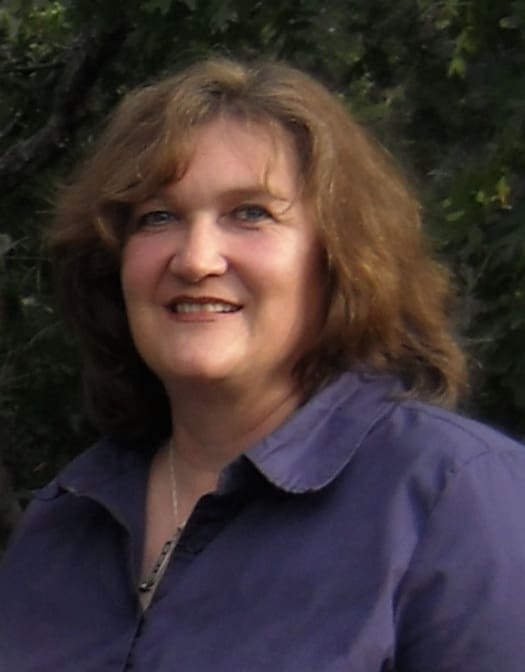
 In today’s interview, Natasha Helfer Parker interviews Dr. Barbara Morrell — a licensed psychologist working in the Brigham Young University Counselling and Psychological Services. She divides her time between doing psychotherapy and coordinating the Stress Management and Biofeedback Services. Her interest in and experience with treating childhood sexual abuse began during her masters program in 1985 working as a volunteer counselor with AMACs (Adults Molested as Children). She received her Ph.D. in Counseling Psychology from BYU in 1997 and wrote her dissertation on adult men who had been sexually abused as children. Barbara began working in the BYU Counseling Center in 1996 and for many years was the sexual assault liaison between the center and the University Police, county law enforcement, and other agencies. Students who had been sexually assaulted were referred directly to her for immediate help and ongoing therapy. Dr. Morrell has served two LDS missions, one to Taiwan at the normal missionary age, and 10 years later she took a leave of absence from her work as a high school counselor for a second mission to Geneva Switzerland. She loves teaching in the Church and loved working for two years as a temple worker in the Provo temple.
Episode Transcript
Guests: Dr. Barbara Morrell, Natasha Helfer Parker
This transcript is machine-generated and lightly edited for readability. The audio is authoritative. Please excuse occasional errors in names and spelling.
Introduction to Childhood Sexual Abuse
Guest [00:00:00] 1, 2, 3.
Guest [00:00:07] Mormon Stories Podcast is a production of the Open Stories Foundation. All donations to Mormon Stories are fully tax deductible and go directly towards keeping the podcast alive and towards building a community of support for Mormons like you. To support the podcast or to join the community, please become a monthly subscriber today@mormonstories.org hello and welcome to Mormon Stories.
Natasha Helfer Parker [00:00:30] This is Natasha Helfer Parker, and today I am privileged to be interviewing Dr. Barbara Morrell, who is a licensed psychologist working at Brigham Young University and their counseling and psychological services. She divides her time between doing psychotherapy and coordinating the stress management and biofeedback services. Her interest in and experience with treating childhood sexual abuse began during her master's program in 1985, working as a volunteer counselor with adults molested as children. And that will be our topic today is childhood and adolescent sexual abuse. She received her PhD in counseling psychology from BYU in 1997. She wrote her dissertation on adult men who had been sexually abused as children. She began working in the BYU Counseling center in 1996 and for many years was the sexual assault liaison between the center and the university police, county law enforcement, and other agencies. So students who had been sexually assaulted were referred directly to her for immediate help and ongoing therapy. On a religious note, she has also served two LDS missions, one to Taiwan at the normal missionary age, and 10 years later she took a leave of absence from her work as a high school counselor for a second mission to Geneva, Switzerland. She loves teaching in the church and loved working for two years as a temple worker and Provo. Welcome, Dr. Morrell. Thank you so much.
Dr. Barbara Morrell [00:01:59] Thank you for having me.
Natasha Helfer Parker [00:02:00] Yeah, thank you so much for being with us today. I really appreciate your time. So one of the ways that I found you was kind of googling sexual abuse and resources for people, especially LDS people, and came across your. Well, I guess it was a talk you gave, but it's in written form. It's called Help for Families and Individuals Dealing with Sexual Assault and Rape. And it's a presentation you gave in 2002 at the BYU Families Under Fire Conference, is that correct?
Dr. Barbara Morrell [00:02:30] Yes, it is. Well, this is a topic that is very dear to my heart. Have much compassion for people who have experienced any kind of abuse.
Natasha Helfer Parker [00:02:43] Yeah. And I found the article very helpful and with lots of very, I think, clear and correct information for people to start with. And what I'd like to kind of maybe start with is having you explain what is considered sexual abuse. Because I know that when I work with clients, a lot of times there Are some ideas about what is or does not fall under that category.
Defining Sexual Abuse and Its Legal Context
Dr. Barbara Morrell [00:03:11] This is a really important area because people who have been sexually violated are very confused, often feel like it is somehow their fault. And so there are legal definitions of childhood sexual abuse which usually involve any kind of sexual touch in which the other person has more power. It's more typically defined in terms of an age difference than same age. However, if you look at the clinical sense, young children who have been molested by a same age individual, whether it's another same gender or the opposite gender, often feel very violated and are very confused about their feelings.
Natasha Helfer Parker [00:04:08] You're talking about kind of sibling curiosity or kind of playing doctor, that type of happening that happens often with children.
Dr. Barbara Morrell [00:04:17] So there's a difference between childhood curiosity and the child on child sexual interaction that happens when one child has been initiated into sex by an older person. So for example, children who've been molested by an older brother or a parent or a neighbor often engage other children in sexual behavior. And that can be. Can feel the same as being molested by an older person because of the other child's experience
Natasha Helfer Parker [00:04:56] versus just more of a natural curiosity that happens more spontaneously in children.
Dr. Barbara Morrell [00:05:01] Exactly, exactly.
Natasha Helfer Parker [00:05:04] And I know that there are many people who I see that maybe will minimize the fact that they've been sexually abused by saying things like, well, there was no penetration, or well, they didn't really ever touch me, they just showed me their genitals, or they would masturbate in front of me or those kinds of things. So what do you have to say as far as again, kind of just clarifying the definition of sexual abuse and all of its many forms. Making people watch pornography, for instance, or things like that?
Dr. Barbara Morrell [00:05:44] Yes, well, all of that could be considered sexual exploitation of some kind, and it does affect people. I think that again, there are legal definitions, and then we can talk about the impact that any of this kind of sexual initiation has for people. And I think we want to kind of rest with the clinical side, the emotional and psychological side of this. And I have talked with many people, done counseling with many people who were not touched or touched and not penetrated, who were harmed very much by being exposed to another person masturbating or to pornography. And one of the reasons for that is that there's a certain natural sexual development that people go through before they're ready to. To engage in any kind of sexual knowledge or to learn anything sexual. And it can have quite devastating effects on people to be sexualized early. It can have an impact on their feeling about themselves. As a person, as a sexual person. And it can develop a fear sexuality or distorted notions of sexuality. And so I think we need to be really careful to not minimize any kind of sexual exposure that children are children undergo.
Natasha Helfer Parker [00:07:28] Right. And maybe to help us kind of shorten the spectrum of what we'll be talking about today. Obviously, there's sexual exploitation and sexual abuse that happens, you know, even within adult relationships, you know, whether it's in a marriage or in a relationship, or even adolescent to adolescent type, you know, high school relationships. But I'm not so sure that's what we want to necessarily focus on today. I think we're talking more about the type of abuse that happens from what, like you said, an older person, somebody who's in a position of power over either a child or adolescent. Is there some way that you can kind of delineate between those two, even though they're both obviously have clinical implications?
Dr. Barbara Morrell [00:08:17] We would differentiate between. I think most people would typically differentiate by calling one childhood sexual abuse and. And then typically we call the other sexual assault or rape. And so we can use our term as childhood sexual abuse by talking about the sexual abuse, including touching, as well as penetration of people under 18 by a person who is older in a position of power.
Natasha Helfer Parker [00:08:55] Okay. And statistically, are you able to share any information as far as how often this happens? What are we looking at from a population perspective?
Dr. Barbara Morrell [00:09:11] Yes, when we do studies, when studies have been done which have polled the general population, what generally comes up is there has been some kind of sexual touching that happens to one in three to four women before they reach the age of 18 and one in seven men. And so we have 25 to 33% of women and 15 or 16% of men having been experienced some form of sexual abuse before the age of 18.
Natasha Helfer Parker [00:09:56] Yeah. And so I think what's important for this audience, as far as why I bring up statistics to begin with, is that this is, I think, more common than most people would imagine. And my experience, I don't know about yours, is that it doesn't necessarily. Those statistics don't necessarily change just because you're in the Mormon population. Would you agree with that or not? So much
Dr. Barbara Morrell [00:10:20] I wish were true, but we don't see any less of an incident of report of child abuse or sexual assault in areas that are predominantly LDs in population. I certainly. I can't say that there is less of an incidence of childhood sexual abuse among the LDS women and men that I work with at BYU Counseling center than I know of in other counseling, university counseling Centers.
Natasha Helfer Parker [00:10:56] Right. So, yeah, I think this idea of families and shame is a huge issue and part of why it's so secretive. And it kind of puts people into a very conflictual situation as well if it's happening within their family, because there are legal implications as well, of course. Can you speak to that?
Dr. Barbara Morrell [00:11:20] Well, let me just give you, for example, when I see a young person in my office and they are coming to me because they want to work through, they want to deal with the confusion, the guilt, the pain, and everything associated with the abuse in their past. And one of the responsibilities that I have, of course, as a counselor, as a therapist, is to report abuse. That happens for most states. Once an individual is past the age of 18, the reporting is not mandatory for them. However, if there are still people who are at the mercy of this sexual perpetrator, then it does have to be reported. That's a really tough issue for this individual because they, most of the time, are very hesitant to give enough details to have it reported because they don't want this person, whether it's a ward member or a neighbor or a relative or, you know, the, you know, some family friend. They don't want that person to be arrested and incarcerated. And if it's within the family, that is even more difficult because of how it will disrupt the family. The other thing is that the family schisms grow much wider, typically if the perpetrator is arrested and charged, because even in that case, where there is enough evidence for that to happen, there still are likely to be different yet within the family about whether this person actually committed the abuse.
Natasha Helfer Parker [00:13:25] Back to that kind of denial piece, that inability to really think through the implications of that. And I'm sure with the work that you're doing at byu, there's probably many young men and young women who might come in who have younger siblings still left at home. So this is probably somewhat common, maybe, versus, you know, maybe people who would come in and talk about it when they're 40 or 30 years old or now that all the siblings are grown up.
Dr. Barbara Morrell [00:13:54] Yes, that can happen. That search situation could certainly happen. And among those of us in the counseling center, there certainly have been times that we have had to call and report to the social services in whichever state the abuse happened. And it's really tough kind of a thing to work through with your client to understand why that has to happen. Unfortunately, the legal ramifications is often why young adults are silent and don't come forward to get the help that they need.
Natasha Helfer Parker [00:14:35] Yeah, It's a very catch 22 situation. If, for instance, the perpetrator is your father or step parent and you know, your family is dependent upon their income or you know, who knows? And also you have probably mixed feelings if it's somebody you know, which in most cases it is. And maybe you can talk about the statistics about that. There's some mixed feelings. There's, there's conflicting feelings. On the one hand, you're angry and upset with the person. On the other hand, you may very much love that person.
Dr. Barbara Morrell [00:15:09] Exactly. That really brings the dilemma and is part of the tragedy of incest, is that this is a person who ought to be in a position of trust and who you love, who has hurt you, and, and that makes all of these issues, the legal as well as the emotional, psychological, spiritual, that much more poignant in terms of the statistics. We know that overall most sexual assault or sexual abuse of any kind is perpetrated on people who are known to the offender. There's very little stranger sexual assault or sexual abuse that happens. And in terms of children, having children kept close to home is no protection oftentimes. And we don't want to be alarmist about this, but people who are sexual offenders are very good about putting a different face out to the world, even in their religious and spiritual communities. And so most of the time I would say that I have never, ever worked with a young woman who was assaulted by a stranger, although I have known some women and I have probably treated only one or two men who were assaulted by a stranger.
Natasha Helfer Parker [00:16:52] Right. And I would, I would agree with that. I, I have also worked with many, many more that are, I can think of maybe one case in my 15 years of practicing where it was a stranger related event. So I think that also, yeah, that is disconcerting for people and one of the, again, the taboos that we don't like to think about. We talk a lot about strange stranger danger. We educate our kids about stranger danger, assuming that the home is a safe place. But many times where our kids are getting hurt is within the walls of our community or our homes or our friendships. And that's just a hard thing because you can't isolate yourself either from all of those things.
Perpetrators, Denial, and Scope of the Problem
Dr. Barbara Morrell [00:17:37] I think one of the tough things about sexual abuse is that the men and women who perpetrate childhood sexual abuse are often very much in denial about what they're doing. They may have had, some may have been sexually abused themselves, or they may sort of lie to themselves about their behavior and how it's affecting the person. And that is one of the complexities about denial of perpetrators is that they don't define what they do as being harmful and they generally deny it when confronted.
Natasha Helfer Parker [00:18:26] Right. So again, you're painting a very different picture from, like, the evil bad guy that we usually picture when we think of a sexual molester. It usually is somebody who's very conflicted themselves. And I'm glad you brought up both men and women, because we usually tend to think of sexual perpetrators as men. And although I know that they probably have higher numbers. Are you aware of the numbers of what the differences between men and women who perpetrate?
Dr. Barbara Morrell [00:18:55] You know, I'm really not. The one thing. I'm not up on those statistics at all. The one thing that I would say that I think we need to keep in mind, because I'm conscious of people who are listening who have been molested, and especially men who carry that fear that what if I ever molest somebody? And that is a fear especially I find among the young men I've worked with. And asking yourself the question, or being fearful that you could molest somebody probably means that you won't do that. And most of the people, including men who are molested as children, never become sexual perpetrators themselves.
Natasha Helfer Parker [00:19:51] Yeah, that's. That's very useful.
Dr. Barbara Morrell [00:19:54] And however, most of the. Most of the offenders, most of the perpetrators did have some kind of background of abuse, and many of them have been sexually abused in the past. And so the reality is that we have many perpetrators, have multiple victims, and that's how the numbers sort of stack up.
Natasha Helfer Parker [00:20:19] Right.
Dr. Barbara Morrell [00:20:21] Most of the people, men and women, who are abused or molested as children, would never want to hurt somebody that same way.
Natasha Helfer Parker [00:20:29] Right. Okay. So moving towards what you were previously referring to as far as the impact. So now, you know, we've discussed what sexual abuse entails and some of the statistics about who this affects and who's involved. And what can you say as to the impact? And I know this is a topic we could talk about for many hours, but how would you start discussing that topic?
Impact of Childhood Abuse on Survivors
Dr. Barbara Morrell [00:21:03] Well, it's. So it's a big issue, as you say, we could talk about for such a long time. And yet the hallmark of someone who has been abused sexually as a child is they often carry a sense of worthlessness or badness. And it isn't necessarily that they were even aware of what was happening to them as a child. It might have been confusing. There's not always pain or discomfort. Sometimes there's a feeling of discomfort or confusion. And yet, as children grow up and begin learning about sexual taboos, and begin learning about chastity within the LDS Church. They take on a feeling of badness about themselves because of what they've happened. And LDS Church doctrine is very clear. In fact, it's stated very clearly in for the Strength of the Youth pamphlet that a child is sexually touched or hurt by someone else, that it does not affect their purity or their cleanness or their worth or anything else. However, it doesn't matter. Teenager could read that statement. And because they have so internalized this feeling of badness, they won't believe it. And that is one of the things. One thing that is particularly difficult for young men is that they feel that they must be weak or defective because men are not supposed to be victims. They also tend to question their masculinity. The sense of sort of badness, dirtiness, defectiveness that both men and women feel after they've experienced as they grow up, especially after childhood sexual abuse or during. As they get older. It extends to much about them. They feel that they are bad spiritually. They feel their bodies are dirty most of the time. They feel that they are not deserving of love. And so one of the basic statements you could make about people who've experienced childhood sexual abuse is that they feel unlovable and worthless, bad. And the bad. The connotation of bad within LDS society is very poignant for these individuals.
Natasha Helfer Parker [00:24:02] Yeah. And going back to what you said as far as, you know, like for instance, somebody reading in the Strength for Youth pamphlet, you know, some good counsel, and yet not being able to incorporate that into their settings. So much of that, again, I think, is how we view the whole event. Right. So just like we think the perpetrator is this mean guy that's going to look a certain way, I can see, you know, a lot of my clients justifying, for instance. Well, yeah, I get that, but in my case it was different because in my case, for instance, I actually, maybe it felt good or I had an orgasm, or in my case, I actually asked for. For it because. Or I didn't stop it or I didn't speak up. So they find ways to kind of minimize their own, you know, harm or the harm that they, that they, that they had because they somehow take responsibility for part of the act.
Dr. Barbara Morrell [00:25:01] Well, that's exactly right, Natasha. And those are such good that you made. And I would say that it may be helpful to even talk about the relationships that are often how the relationship affects a person's view of their own blame. If you have a young child and they have an older sibling or A parent or a church member, a church leader or somebody who, who has molested them, the child feels so confused. And also, especially if it's within the family, they're dependent on that person for
Guest [00:25:44] love
Dr. Barbara Morrell [00:25:46] as well as for a roof over their head and for food. And so it's much easier for the child to say, I must be bad, this must be my fault, than to have their sense of self security shaken. And so when a child internalizes that as a child, it's not easy for them to give up that sense of blame. And the other reason for sometimes blaming self, in addition to all of the things like, I didn't fight back, I should have stopped it, it must be something about me. The other reason is that it is so much easier to blame oneself than to realize how out of control you were, that you had no control over what happened. Self blame, even while a child is going through years of abuse, gives them more of a sense of control in their life than they actually have.
Natasha Helfer Parker [00:26:42] Yeah. And I think that's such an important point as far as just understanding human tendency. Right. That we all want to be in control. We're all somewhat egocentric. We tend to think through the lens of ourselves. Right. So this kind of self blame is somewhat of a normal response. It's not really abnormal that people would respond in that way.
Dr. Barbara Morrell [00:27:03] It's an absolutely normal response. It's also normal to assume that if you felt any pleasure or if you didn't stop it somehow, that, that you must have wanted it. And this is something that's so important for people to understand. And I think it's even a bigger issue for men than for women because of their arousal response that they're assuming getting some kind of erection means that I must have wanted it. And we need to quickly lose our stereotypes that, that young boys always want sex once they are sexually mature and understand that very serious abuse happens. And so it's important for both men and women who have experienced childhood sexual abuse to understand that it wasn't something they chose and that they were not in a position to give a certain. To give consent for sexual activity when there's a difference in age and power.
Effects on Adult Sexuality and Relationships
Natasha Helfer Parker [00:28:15] Right, so that is such a good point as far as this idea of how then people move into their adult sexuality. Right. As part of the impact of childhood abuse.
Dr. Barbara Morrell [00:28:29] Yes. And one of the. That is one thing that is typical for every person I've ever seen with childhood sexual abuse is they have a great deal of confusion and shame about their own sexual feelings. They often feel very afraid of any kind of a touch. They have difficulty differentiating between love and sex. They have a tough time differentiating between affectionate touch and sexual touch and seem to be very afraid of affection often. And this has quite long ramifications for them in their friendships, their family relationships, and their intimate relationships.
Natasha Helfer Parker [00:29:19] Right. And the sexual boundaries that they have. Kind of going back to some of the Mormonism of this, obviously, in our faith, chastity is such an important aspect of our worthiness and how we perceive ourselves. And actually, for people who have been sexually abused, it's my understanding that it's quite common for there to be either some promiscuity in the life of a person who's been sexually abused, or maybe even the other extreme, some frigidity or, you know, sexual average. And if a person who is LDS is looking at their promiscuity, for instance, and saying, see, this just shows how bad I am, instead of understanding that that's actually somewhat of a norm for people that have had their sexual boundaries crossed to begin with.
Dr. Barbara Morrell [00:30:09] Well, I think that's really true and that both extremes are normal. Our typical reactions. And one of the things that's really important and another important thing that I think we ought to bring in here is that another very typical reaction is to engage in masturbation. And that often begins at quite an early age for children who've been sexually abused. And that sort of gets compounded along with any kind of promiscuity to where there's just a downward spiral of feeling shame and guilt and badness. And it can be pretty tough for people to separate out sort of the abuse that happened to them in the past and their current habits and to be able to make some kind of a separation. So, you know, we would hope that if they are. That if they're living within LDS Church active members and wanting to live a chaste life, that they can take some kind of accountability to change their behavior and yet maybe have some understanding about why it started. One of the reasons that LDS young people who've been sexually abused sometimes engage in promiscuous behavior is they believe that it's already lost. They have no chastity left to protect, as well as being vulnerable because of being sexualized at such an early age. Wonderful thing that I find with working with these young people, and one of the reasons I'm so happy that I'm working with young adults is at byu, is that each of these young men or young woman has a bishop who can say to them, it carries much more weight than it carries with me to say what happened to you as a child was not your fault, and you carry no responsibility for that, and it cannot make you bad, despite how you feel. And I have had many cases where young person went to their bishop before they came in for counseling, and it was the bishop saying, this is not your fault. You are not bad. Because of this and because of that, they were able to engage in therapy, and I was able to build upon that. And so I would like to communicate to the parents and the church leaders that may listen to this that how you interact with a young person or a person in her 40s or a man in his 50s who is coming to you with guilt and shame that they have over things that happened in childhood, that you can help them to understand the doctrine of their innocence.
Natasha Helfer Parker [00:33:13] Yeah. So, okay, so wanting to touch on two things that you said, I want to just hit quickly on the masturbation piece and just clarify that many children masturbate not just because a child is masturbating. Does that mean that they were sexually abused, but that it can. Excessive masturbation or also other types of sexual play among children can be somewhat of a red flag for parents to maybe at least consider the fact that sexual abuse could be occurring. Would you agree with that? Right.
Dr. Barbara Morrell [00:33:47] I'm so glad you raised that, Natasha, because no, any, you know, childhood kind of the normal childhood sexual play or childhood masturbation is not a sign necessarily of sexual abuse, but it could be, especially if it seems extreme. And that is the really, I think the really tough thing with adults and trying to understand the childhood sexual abuse is it isn't easy. Not all children show signs, and some kind of sexual play is not necessarily a sign. So it's a really tough thing to understand or even know if any kind of childhood sexual abuse has happened.
Natasha Helfer Parker [00:34:40] Right. Okay. And then you spoke about bishops and their role as far as kind of either helping with the therapeutic process of agreeing with the therapist that this is not the fault of the person who's been victimized or even, like you're saying, being the person who begins the process, in other words, refers to a therapist. What is your experience as far as bishops trainings? And not that you've necessarily been a part of that, but do you feel like we're doing a good job as a church in educating our leadership on these types of issues? And have you had, for the most part, good experiences in this regard?
Church Culture, Bishops, and Reporting Abuse
Dr. Barbara Morrell [00:35:26] Yes, I've certainly heard of examples, and I would say especially, especially of women that are past, you know, kind of the adult age. I've heard of individuals having, you know, not having positive experiences with their. With their bishops. And I can't say how that is throughout the church, but I have been very happy that the church has established an abuse hotline and that they do more training with bishops. However, I think bishops often feel inadequate of knowing how to talk to somebody about an issue in their childhood. And oftentimes what happens, and this is what my clients describe to me, is that they go to their bishop, either as a teenager or a young adult, and say, bishop, I have something that I need to confess. And they. They think that they're going in to repent of what happened to them as a child. And so the bishop then has an opportunity to. To ask enough questions to determine their age and the age of the other person to be able to tell the child if it was as two small children, to say that was two children playing together, you don't carry any blame for that. Or if it's an older person to be able to say, this rests on the other person, the older person. This is not your. This is not your fault. You are not to blame. You don't need to repent. And so I have to say that in general, the bishops that I've interacted with, my students at byu, the bishops have been very helpful in the process. And sometimes the bishops will call me and say, you know, what can I do to. What can I do to help this person? And I just encourage them to continue that message. To say, you're not accountable for something that happened when you're a child or a teenager, when. When someone older has instigated that with you, and to be sort of compassionate and helpful to help them to repent of issues that they do want to repent of in terms of their own promiscuity.
Natasha Helfer Parker [00:37:46] Right. And I think that this is an effort that probably over the last 20 years, the church has really probably prioritized, I would say more so than prior to that. I know some of the concerns were that, you know, for instance, back to kind of some of the family dynamics, if you've got a child coming in and, you know, kind of tattling on their father or brother or somebody like that, and the bishop knows the family and they're good friends. And, I mean, that can get very difficult very quickly. Right. As far as loyalties. And I know in the past, the church has had some problems with bishops kind of keeping all of that kind of within the context of just the spiritual repentance process and not turning it over to the legal system. So my understanding is that in the last, I want to say about 20 years, that has dramatically shifted and now bishops are considered mandated reporters as well. Is that, am I understanding that correctly?
Dr. Barbara Morrell [00:38:46] Yes, yes, that is true. And yes, I have tremendous compassion for church leaders who face these dilemmas. Certainly not always handled the best. There are a lot of young people, you know, that I talked to whose families didn't believe them, who may or may not have gone to church leaders. And I've certainly been aware of some situations where there was abuse going on in the wards that was never dealt with. You know, where there was a particular family in a ward who was molesting kids in the ward. And it, it never came out in a way that was helpful to the young people. Most of those cases that I've been aware of in the past, although I'm sure that there are still some situations that go on like that. It's very sad that what tends to happen to sexual perpetrators who are within the church is they. They tend to go underground and to hide what they're doing. And it would be nice if we had some kind of a lie detector that would. That would help to expose people who are dishonest, who are serving in the church unworthily. But we don't have anything like that. And so there are still individuals and people all over the church who are being exposed to. To sexual abuse by members of the church.
Natasha Helfer Parker [00:40:29] Right. So going along with your experience, I would second that. The majority of the cases that I've worked with around sexual abuse, I feel like what's been reported from the bishops has been very appropriate and actually very helpful. But one of the things that I think we are considering and need to speak of is the complexities when you mix the religious kind of aspect of yourself with the sexual aspect of yourself. And just like you said, the bishop has so much power when he says even more power than you. Right. It goes farther when the bishop says, look, this isn't your fault because he's speaking in terms in our religion, he's the mouthpiece of God. Right. So he's speaking for Heavenly Father. So when the reverse is true, when it's the priesthood holder or the Relief Society president or somebody who seems to be very, you know, involved in their ward calling and lifestyle, who is the perpetrator then that for the people that that has happened to, can you speak of the impact that that has?
Dr. Barbara Morrell [00:41:40] This is an extreme, exceptionally difficult experience and very painful. When you add that this is an older adult as well as somebody who has some kind of a stewardship over you in the church, or is a well respected church member, or is a family member who is active in the church, all of this can be an exception. Exceptionally painful experience, and usually for individuals raises questions about their faith and their spirituality. It can often. People often feel as if they can't trust church leaders or trust the church. And it causes a lot of lack of trust, an even greater lack of trust than if it was somebody who wasn't a member of the church. And it's all something that is really important to work through. And at the same time, it can give the individual who's been hurt, it can give them an opportunity to hopefully separate the church and the church doctrine from, from the activities of individuals. I wish that that could be true for everybody who is hurt sexually within the LDS context. But unfortunately, a lot of people end up leaving the church over this. Another very complicated issue that has to do with sexuality and spirituality and religion is that women who are abused by men in any context, but especially sexually, often have a very difficult time trusting God, trusting Christ. And that is a huge issue that many survivors of sexual abuse have to deal with. It's certainly also true for men who are abused by men. In addition to the fear of trusting a God who is a male, there's also the issue of could God possibly love me, or could he possibly be good if he allowed like this to happen to me? And so the spiritual issues are just very complex and run very, very deep.
Theology, Trials, and Forgiveness
Natasha Helfer Parker [00:44:24] Yeah, kind of going along with the. You know, in Mormonism, we tend to talk a lot about how our trials are for our own good. And, you know, God wants us in a sense, to go through trials because we're going to progress that way. Well, when it comes to sexual abuse, to think that the God that I worship actually wanted me to experience this, that can be really a disconnect for a lot of people.
Dr. Barbara Morrell [00:44:52] Well, it's a tremendous disconnect. And I particularly find a difficulty with this idea that has some doctrinal basis because of talks that I've heard. But this idea that God, that he, that Heavenly Father would, would give us specific trials to help us grow. So the idea for anybody that the Lord specifically wanted me to go through sexual abuse so that I could grow is very, very disconnecting. And, and so I'd really love it if we could be less firm about this idea that our trials are individually designed for us. Not sure that's very helpful for a lot of different trials. And this is, this is Coming outside my experience just with childhood sexual abuse, but I think, you know, just doing therapy over the course of the last, you know, 14, 15 years with LDS people, it's a really tough thing to be able to reconcile this idea that my trials are specifically designed for me. Does he really want me. Did he really want me to go through that? But particularly with sexual abuse, as you say?
Natasha Helfer Parker [00:46:13] Yeah, I can think of just, even right off the top of my head, infertility, murder,
Dr. Barbara Morrell [00:46:21] divorce.
Natasha Helfer Parker [00:46:22] Divorce, the death of a child. You know, that's. That doesn't. If you're going to try to build a relationship with a loving heavenly being that is supposed to be your support and your mentor, that doesn't make sense if you kind of couch it in the terms of, oh, well, yeah, you love me, but you really wanted me to go through all this pain and
Dr. Barbara Morrell [00:46:43] heartache so well, and I think I'm not. I can't speak as, you know, as somebody who. An expert in doctrine and certainly without any kind of authority, but I think there's adequate evidence to say also that life happens and that mortal life happens and that a lot of the things we go through were not specifically designed for us. And I think it can be a lot more helpful for people who've gone through anything as aversive as childhood spirit sexual abuse or other types of abuse in the family, or have had very difficult experiences with church leaders or with other members of the church. I think it's more helpful to think that in terms of that these are experiences that Heavenly Father did not prevent from happening because his need to protect agency, and even that's not very satisfying, but it's a lot more helpful than thinking the Lord wanted me to go through this.
Natasha Helfer Parker [00:47:51] Right? Yes, I agree with that. So going back to the perpetrator being somebody within the realms of the church, I know that in all the history that I've and all the clients that I've seen, I've really only had one case where this happened at the particular time. Like, you know, pretty soon after it happened that it came to my office and so, and it was a young man and he was abused by a young man's leader. And kind of going back to some of the impact of this, and, you know, I really have no idea where this young man is today as far as activity in the church or anything. This was quite a while ago that this happened. I remember one of the questions that he asked me that just, you know, I had no answer to, of course. And he's asking me this as an LDS Therapist, he's like, well, this person was called right of God to be in this position, so how am I supposed to deal with that? You know, And I thought for a teenager, what a profound statement to make to me and to question and to ask and to wonder about. And again, I guess I'm just trying to talk to the complexities of how difficult it is for members when we do have this kind of really great, wonderful ideas that the priest did comes from God and the work of called to act in ways that will serve others. And yet that, that isn't a perfect process. And that's difficult for people to accept because then of course, the domino effect can go all the way to the top. Well, if they didn't, if my young man leader wasn't called, well, then how do I know the prophet was called or, you know, so there's all that complexity that becomes doubts for people. And do you find that to be some of the experience that you've come across or.
Dr. Barbara Morrell [00:49:50] Yes, and I agree with you that that is an exceptionally, an amazing question to come from a young man. And I think it's a fair question to ask because frankly, we live in a church where in order to grow up in the church, you're asked to accept a lot of things on faith. And yet doctrinally we don't have people join the church who haven't had a conversion experience and don't have a testimony. And so it really, it really, the kind of juxtaposition of those two things to sort of take things on faith and then get your own testimony is central, I think, and it's central to the experience of a young person. And so add to this the fact that church leaders are not perfect and that people are called to callings and then hurt other people. That's a really lot to wrap your head around. And I guess I would say to people out there who are grappling with these kinds of issues, how could my father, who was bishop at the time, how could my young men's leader, how could my this person do this to me? How could my grandfather, who was, you know, the mayor of the city and the stake president for all of these years, or how could my next door neighbor, who everybody looks up to do this to me is to give yourself time to sort through that and to find people that you can talk to will believe and support? And I hope, I mean, my hope is that people won't throw out the gospel in the church because of one or two or three or even 10 unrighteous individuals. But yes, we have to deal with the fact that people in the church, even church leaders, are not perfect. And it makes it pretty tough to trust other church leaders if you've been hurt by one church leader.
Natasha Helfer Parker [00:52:11] Right? To normalize that for people, to help them again, not feel that guilt or shame that they can't trust, but to kind of couch that as a normal part of healing and a normal part of protecting one.
Dr. Barbara Morrell [00:52:26] It is, it is normal. And it's a really tough thing. And to have a difficult time. I think it's tough for people to trust God anyway, to trust Heavenly Father and Christ, that they have their best interests at heart. Because so much of that we have to take on faith as well as from experiences with the Holy Ghost. And yet it's so much more difficult for someone who has been violated by a church member or church leader or parent who's a member of the church, or again, even if it's not a member of the church or a family member, to believe in a loving God when you experience those experiences. And I would also say to those who are trying to support family members or friends who've been sexually abused, it's very important not to judge somebody for their lack of trust or not trusting God. But it's important to understand that, to give people time, the whole issue of forgiveness comes up and that is really, really tough thing. Forgiving a person who has sexually abused you is one of the toughest things that a person probably has to do in this life. And emphasis on time and not putting pressure on the person. One of the things, and I have to say that I'm speaking from a member of the church as I have no authority to speak, oftentimes what we call realize, and I'm not the person who pointed this out, this was something that I read years ago in my training by Wendy Ulrich, who is a wonderful LDS psychologist and her organization is called 16 Stones that she has in Utah. But she's written some amazing articles about healing from sexual abuse and other kinds of abuse within the family. And she pointed out in an article that was written that about forgiveness that oftentimes the scriptures about forgiveness, say are talking adult to adult trespasses. And so at the same time as you have the Lord saying you need to forgive your brother his trespasses, at the same time, there is scripture in Luke and in the Old Testament that says that anybody who's offended the little ones deserves to have a millstone put around its neck, which is a huge, you know, three or four foot stone a foot thick. That they should have a millstone put around their neck and drowned in the depths of the ocean. And so I think we need to be very open to a person's process of forgiveness and especially to make sure that they understand that forgiveness is not reconciliation. And that a person may not be ready to even consider trying to forgive the person who's hurt them until they feel safe, until they feel that they are no longer in danger from this person. This person has no emotional, spiritual influence over them. The other important issue with the whole issue of forgiveness is that we need to help people to understand that forgiveness is for yourself. It's not for the other person, and it's not for any kind of expectation within the church. It's a very private, private thing. And I hope that that message, even though I'm speaking more to people or trying to support other people, I hope that was heard by individuals who've been abused themselves.
Natasha Helfer Parker [00:56:19] Yeah, I think this is such an important aspect of. And even in the literature of psychology, there's a lot of back and forth about whether or not a victim should feel the need to have to forgive their abuser. Right. And so there's a lot of different opinions on this. And I think a big part of it, which I think you spoke to so well, was this. How do you define forgiveness? So a lot of times the word forgiveness comes to mind. Oh, you know, okay, I'm sure. No problem. Somebody says sorry. So, okay, no problem, you're forgiven. And that's not necessarily what forgiveness is all about. And I think, just to second your thoughts, forgiveness does not mean that you need to have a relationship with that person if you don't want one. Relationship does not mean that you need to have that. You can't have certain boundaries and place. Forgiveness never necessarily means what you did was okay, that you're agreeing with the situation. So it is more of a coming to terms with what's happened to you and an ability to let go of what's happened to you is how I speak with a lot of my clients about forgiveness.
Dr. Barbara Morrell [00:57:31] I've also come to believe that because particularly the case of. Of incest or, you know, prolonged sexual abuse or where a relationship of trust, of a close relationship is violated. I've come to believe that as mere mortals, we don't necessarily have the capacity to forgive and that it's very much a spiritual gift that comes just when. When it's the time that you need it yourself, when the individual needs it themselves in the process so that they can let go of some of the Anger and the hate they've been carrying. And so I do. But I do think it's a very, very complex issue.
Natasha Helfer Parker [00:58:14] Yeah. And I'm glad that you mentioned Dr. Ulrich's thoughts on this. I'm also familiar with her work and think very highly of her. And kind of going back to our whole concept of the. The atonement, too. You know, that the atonement is there to cover things we can't do on our own. So that's another thing I use with LDS clients quite a bit is this idea that if you feel like you can't forgive, well, hand it over, hand it over. You don't need to worry. That's not one more worry that you need to put on your slate. So hand that burden over to Christ, which is, I think what's so much about the atonement is, is there for so.
Dr. Barbara Morrell [00:58:57] Well, and I'm glad you raised, you raised the issue of the atonement because the kind of pain that comes from violation, sexual violation, and from, you know, especially if the person is close to you, is so overwhelming. And I have never. I've never seen that it can be accomplished through good psychotherapy alone. Even for people who aren't necessarily lds, there seems to be a spiritual component that is very personal. And for LDS people especially, I think the atonement of Jesus Christ gives hope that you can lay this burden down at some point and can heal. But it's also very difficult, I think, for those who've been sexually abused to understand how the atonement can help. It's hard to trust in the atonement, but it's a beautiful process to watch it happen with people as they learn to rely on the Savior and to hand him the burdens associated with. With the abuse. And so, again, I think they're, you know, healing from sexual abuse involves so many spiritual gifts and so many spiritual blessings. And it is absolutely one of the most spectacular and amazing parts of being an LDS therapist to be able to watch that happen and to see the transformation in people's lives. And yet it isn't easy. In fact, it seems to be much harder than it is for people to even repent of serious sins. The healing process under the atonement seems to be much. Take much longer time. And so one of the things that I hope will be comforting to people who are struggling with all of these issues is to understand that don't put pressure on yourself to feel like if I'm not healing as fast as I want to, I must not have enough faith or the atonement must not be real, but to have patience with the process and to give yourself time to grow in your faith and your understanding of how the atonement can help you. Even after all these years, I'm not even sure I can describe how the atonement helps because it's something that I've seen, see, and experience rather than something that I can really explain very well.
Natasha Helfer Parker [01:01:36] Yeah, I would second that. And, yeah, I think what we're both pretty much saying pretty clearly is the last thing that a victim needs to be stressed out about or guilting themselves over is that they haven't forgiven enough, you know, or that they haven't somehow done their part, that that's an individual process. And to allow for that, like you're saying, for that process to take place.
Dr. Barbara Morrell [01:02:04] Absolutely.
Summary and Steps Toward Healing
Natasha Helfer Parker [01:02:06] Okay, so just a few things from what we've talked about as I'm trying to write notes, and goodness, I just wish we could have 10 hours. But you talked about the millstone around the neck. And one thing that I just want to throw out there, not by any means to take the perpetrator's side on this, but the last thing I'd want to have happen as well is sometimes when people are faced with what they have done or faced with the severity of their actions, many times there can be a danger for suicidality. And so my only just shout out to anyone who's listening, who's maybe on the perpetrator side of this, is to try to give some type of message of hope and that there is help available and that there are people who will stand by them to try to get treatment. Is that something that you can speak to at all?
Dr. Barbara Morrell [01:03:03] Yes. And I was quoting the Savior, not necessarily giving my own view or quote what I think his actual view is of people who have perpetrated. It was a moment of emphasis for him and his teachings about the worth of children to him. And actually, what Christ taught was that all serious sins can be made right through the atonement. In fact, that's the beauty of the atonement, is that everything that goes wrong in mortality can be made right through his atonement. And so it's really important to recognize that it isn't lost. The other thing that I would say is that. That if you are a truly repentant person who is seeking to make your life right, it may be painful to realize that you can't. That although you're asking forgiveness from the person that you've hurt and seeking to do everything you can to make it Right. That. That will not necessarily restore them to you. They still have a right to the distance they need in the relationship if it's been a close relationship. And at the same time, you cannot fix what you did. That's why we need the savior in every case to do the healing. So there is hope for everybody involved in this very sad, very sad situation of childhood sexual abuse.
Natasha Helfer Parker [01:05:01] Right. Okay. Thank you for just kind of making that note. Well, why don't we move into. We've kind of talked about the impact and some of the repercussions that come from this. And I know interspersed there's been advice given as to what people can do, but can we come up with some. Maybe a list of kind of. Look, if you're finding yourself in this situation, here are some concrete kind of step by step things that you can do to get a handle of your feelings and your life and understand and kind of heal from this event or these events. Because for many people, it can be a chronic thing that's happened for many years.
Dr. Barbara Morrell [01:05:47] Yes. And if I would. First of all, I think it's important to address the issue is that if you are in any kind of abusive relationship at this time, you are currently experiencing sexual abuse of any kind to seek help from somebody who can help you. And if the person who you talk to, who you choose to talk to, is not willing to believe you and help you get out of the situation, be persistent until you find somebody that will help you to get out of the situation. I think it's very important for even if you can't believe that what is happening currently or what happened in the past is not your fault, and that especially, that keeps you in the situation, that you need to put some basic trust in the idea that if you are the vulnerable person, if you're the child, the younger person, or the person who is less powerful, that it isn't your fault and it cannot be your fault. So first of all, get yourself out of. Out of this situation, no matter who the person is, no matter what relationship to you they are. Second, I would say that anything you feel is normal. If you feel ashamed, if you feel angry, if you feel afraid, whatever you feel is normal, and that you can expect the range of emotions as you attempt to deal with this issue, whether it's recent or whether it happened 70 years ago, that any emotions that come up. The other thing with emotions is that if you have not thought or dealt with this issue for many years, then you may be just amazed at how powerful the emotions are and that sometimes it may feel that they're overwhelming you. The one thing to realize as a teenager, as a young adult or an older adult dealing with abuse is that the emotions you're experiencing are because perhaps at the time you were young and vulnerable and you're experiencing how overwhelming it would have been if you had allowed yourself to feel it at the time that it was happening. Important to get good counseling, psychological help, and to have the support of whoever support system around you, of whichever family or friends can be there for you, and to seek the help of your church leaders. That can be a very frightening thing to do, especially if you fear that they may somehow bless, blame you. And yet it's really important to seek the kind of support that you can get. It can be very helpful to write about your experience, to journal. And yet if you start feeling overwhelmed by emotion, it can be important to kind of shut it down and not overwhelm yourself with painful emotions all at once. Mostly, I would say to try to hang on to your spirituality and to try to put faith in healing through the atonement and through God being a merciful and just person who has your best at heart. It's almost like it's helpful to leave a lot of questions open instead of closing them down as you go through the process of turmoil from healing from sexual abuse. I would reiterate also that if the central issue for you is feeling a sense of blame and lack of worth and lack of lovability, try to plant the idea in your mind, as in the analogy of the seed in Alma that you are hearing, that it probably isn't my fault. Try to plant that seed and to nourish it and to understand that it's going to take. It could take a tremendous amount of time to understand that you are lovable and that you are of worth and to continue in that process, even if it seems very difficult.
Natasha Helfer Parker [01:10:29] Yeah, thank you.
Dr. Barbara Morrell [01:10:30] Thank you. And I'm not sure if that was everything you wanted.
Natasha Helfer Parker [01:10:35] Oh, no, that was great. That was great. Maybe if you could speak really quickly then too, I know you have along the interview, but maybe to people who are trying to be, as you said, the support network, you know, what are may some few pieces of thoughts or advice you'd have for them, the friend, the spouse, the, you know.
Advice for Loved Ones and Faith Community Strengths
Dr. Barbara Morrell [01:10:59] Well, the best advice that I would have is to become educated about the impact of childhood sexual abuse on a person. Another thing is that we have this tendency in Mormon culture to want to tie things up in neat packages and to make people happy and to not wrestle with Painful things. We could spend all day talking about why that might be true. Partially, it's human nature. Partially, it's kind of some things that have built up in Mormon culture. The important thing is to allow the person to be where they are, to have their own time and to be able to offer support if you are feeling. You can't necessarily be the only support for somebody who's. Who's going through difficult issues because you have to take care of yourself as well and make sure that you're not overwhelmed by it all. But mostly allow the person to understand that how they feel is normal, that it isn't their fault, and that you could be there with them through the process.
Natasha Helfer Parker [01:12:07] Okay. So, yeah, so don't just kind of try to come in and fix it or minimize it or just cheer them up out of it. Just kind of. Kind of be willing to be in the process with them and listen and be supportive along the way.
Dr. Barbara Morrell [01:12:21] Yes.
Natasha Helfer Parker [01:12:21] And probably encourage, again, if it's a family member or a spouse, to seek professional help and to maybe even be willing to go for the first session or something. Sometimes it's just scary to go and talk to somebody or kind of offering that type of support.
Dr. Barbara Morrell [01:12:37] Absolutely.
Natasha Helfer Parker [01:12:38] Okay, well, what would you say are. Maybe we've talked about some of the problems that Mormon culture brings to this. What about the positives? What are maybe things that are uniquely Mormon that might help in either our doctrine or our culture that can be helpful to people that have experienced childhood sexual abuse?
Dr. Barbara Morrell [01:13:03] Well, there are so many things that I could talk about here, and I guess first I would start with, you know, some of the experience that I've had that I've had working with the students at byu. And we cannot minimize the strength that comes from having a supportive culture, award culture where no one ever has to be alone. It is the most difficult experience to be completely alone, dealing with painful life events and having, you know, each person within the church has a bishop, has relief society, has priesthood, has neighbors and friends. And so I think we need to rely on our culture of support in healing with and dealing with sexual abuse. And of course, we have to come overcome some our own feelings of discomfort with the topic to be able to do it. But once, you know, truly become close to somebody who's been sexually abused, I think that really helps you to believe and support other people. We talked already about the doctrine of the atonement, the atonement of Christ that can heal all things. We also have the. Of the Holy Ghost to help comfort and bless. I've heard of many, many, many experiences in which individuals have been taught by the Spirit what the truth is about their abuse. And that is part, of course, of the atonement to learn the truth about what happened. And so we want to build upon our strengths, the unity, the fact that every person has home and visiting teachers that can be part of the support system. And also the reality that I think it's also helpful for people who feel like they have no justice in this life, that they can somehow give the sense of justice to Heavenly Father and try to develop faith in the fact that he will not hurt them, that they will not escape without accountability and justice. And of course, the fact that we talked about that people can that even the worst offenders can repent and can be made clean from their sins. I also believe that there is a lot of hope in the idea of our progress towards perfection. If we can let go of perfection being about doing everything correctly every moment and not making any mistakes, if we can think of it more as a process from where we are to eternal perfection, then that gives a lot of hope for people who are struggling with difficult issues to believe that they can overcome the pain of what they're going through partially in this life and perhaps partially in the next life. But I think that is a wonderful strength and a wonderful blessing. I would also add, I would have asked Natasha to perhaps add your own thoughts on that as you've listened to me. The strengths that you see in our culture and our religion.
Natasha Helfer Parker [01:16:58] Well, Dr. Morrell, I know that you need to go have a prior commitment that you need to get to. I can't. Thank you for your time spent with us today and all of your wonderful insights and information. I know this will be useful for many that are dealing with this complicated and often sensitive topic of childhood sexual abuse. So again, thank you for your time. Good night.
Guest [01:17:28] Thank you for joining us today on Mormon Stories. Music today was provided by the Saber Rattler. Check them out@savor-rattlers.com the Mormon Stories logo was generously donated by StudioCase.com thanks for listening.
Closing Hymn
Guest [01:17:43] Come, come ye saints no toil nor labor fear but with joy when you're away those hard to you this journey may appear Grace shall be as your day Tis better far for us to strive Our useless cares from us to drive to the center Joy your hearts will swell oh, all is well all is well. Why should we mourn? I think our lot is hard t not so all is right why should we think to earn a great reward if we now shun the fight Gird up your lo. Fresh courage take Our God will never us forsake? Soon we'll have let's tell it tales? Oh, all is well? All is well? Oh, all is well? All is well? And should we die before our journey is through? Happy day? All is well? We then are free from toil and sorrow too? With the just we shall dwell? But if our lives are spared again to see the saints the rest obtain? I will make this oh, all is well? All is well? All is well?
Dr. Barbara Morrell [01:21:36] All is well?
Guest [01:21:39] All is well? Oh, all is well,
Dr. Barbara Morrell [01:21:48] well?
Guest [01:21:52] All is well?
Transcript © 2026 John P. Dehlin. All rights reserved. Brief quotations are welcome with attribution and a link to mormonstories.org; all other use requires written permission.



4 Responses
I had her as a counselor a few months ago. It was an interesting experience.
Thanks for doing a podcast on this topic. You rock!!!
Agree…thanks for doing a podcast on this topic. As someone who suffered long term incest as a child, many things Dr. Morrell said hit home. I wish the LDS church would take more seriously training leadership on this topic. I’m glad to hear she has many positive experiences coming from Bishops. I’m wondering if this is in part due to being located in Utah, where information is more readily available to Church leadership?
I realize my story may be extreme, but I don’t believe it is entirely unique. My family dealt with Priesthood leadership across 5 different states spanning three decades. The leaders only dealt with the spiritual repentance aspect of the situation, no one in my family received counseling, and most upsetting is that not one leader reported the incidents to the authorities. My entire family left the church (including my sister, who was also molested) and though I remain, I struggle. My father remarried and started another family, and his last child turns 18 this summer. He was excommunicated for one of many affairs he had (not his incest) and several years ago he was re-baptized. None of the reported incest was on his church membership records, nor did he think to confess over 16 years of incest to his Bishop when he was in the process of re-baptism, so he was promptly given a calling in primary.
I went to my local leadership in all sincerity because I thought it was my ethical responsibility to let them know that my father should not be working with children. At that time, (just 5 or 6 years ago) I was in my mid thirties, married in the temple, was a current temple recommend holder, had my own children,served diligently in my callings and I was treated very poorly by my PH leadership. I was told that I needed to work on letting the past go (this is the first time that I had ever spoken to anyone in my ward about this), and was treated as though I had only come forward to satisfy a personal vendetta against my father. I was told by my father’s bishop, “we believe these things in the past have been handled” and “these things have been exaggerated”(if they had been handled then they should be on his church record and regarding the exaggerated comment–I was dumbfounded to be called a liar). When I said that this is not about my personal feelings, but about protecting other children from being victims and I did not want to be held accountable for not speaking up, the response was, “well, if that is really how you feel” (what was that supposed to mean?). My bishop also told me that if I didn’t let this go that I would be hurting my children by passing it down to them (nice guilt added upon what was already there). I felt that this Church, to whom I had been faithful to my entire life, was again choosing believe a man who had a proven record of low values over me.
As Dr. Morrell shared, there can be so much good that PH leaders can give to an abuse victim, but there can also be so much hurt. It was soon after this that on my own I sought counseling to deal with my past. I found a wonderful counselor, and I found that I had as many issues to deal with regarding the Church as I did with my father. With an institution that is so heavily patriarchal, they need to be extra careful in how they deal with the women and children of the institution. And, there is more to it than saying women should be put on a pedestal.
As an addendum to my story. About a year ago my bishop called one evening and spoke to my husband. He wanted to pass a message along to me. My father’s stake president (and his former bishop) had just called him. He wanted my bishop to know that he now believes there was some truth to the things that I was saying and they have marked his record and are going to hold a disciplinary counsel. Wow. That only took about 5 years.
Thank you so much for posting your comments and telling us about your story. What a pivotal story to tell.